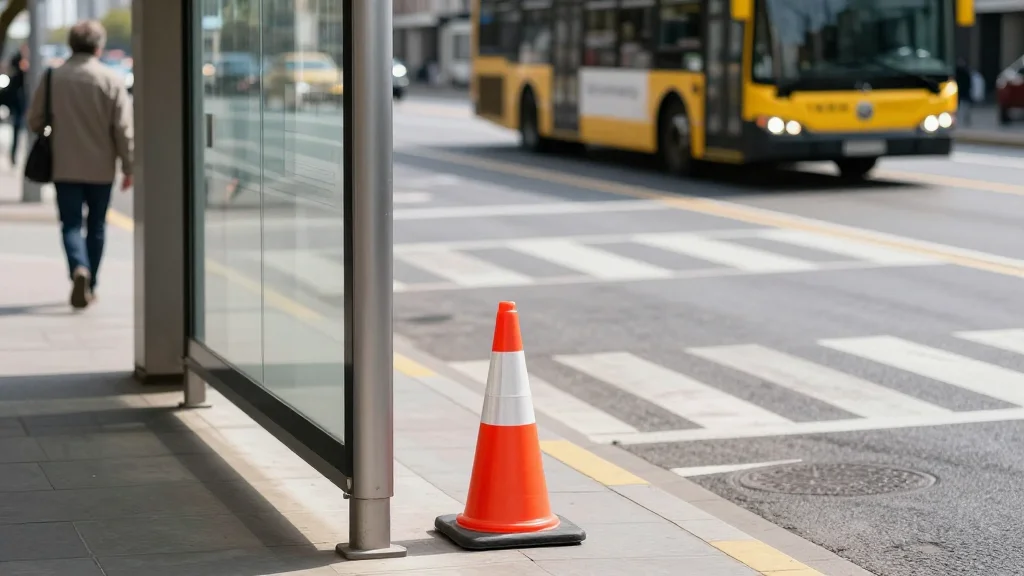
It’s the Most Dangerous Part of a Transit Bus Trip. These Experts Have Ideas to Make It Safer.
Companies Mentioned
Why It Matters
Improving safety at bus stops can unlock the full public‑transit safety advantage and reduce pedestrian fatalities on busy streets, a priority for cities aiming to expand sustainable mobility.
Key Takeaways
- •Pedestrian crashes five times more likely at bus stops than intersections.
- •80% of bus‑stop crashes occur on high‑speed arterial roads.
- •Over half of incidents involve pedestrians walking in travel lanes.
- •Mid‑block stops and lack of crosswalks drive most collisions.
- •Recommendations include better crosswalk visibility and speed limits under 30 mph.
Pulse Analysis
Transit buses rank among the safest travel modes, but that safety metric traditionally excludes the critical approach and egress phases of a rider’s journey. The University of Tennessee‑Knoxville’s analysis, leveraging the Fatality Analysis Reporting System and state crash databases, reveals a stark contrast: pedestrian crashes are roughly five times more likely at bus stops than at conventional intersections. This gap is driven largely by high‑speed arterial corridors where stop infrastructure is sparse, exposing riders to moving traffic while they cross or walk alongside it.
The data underscore two recurring risk factors. First, more than half of the documented incidents involve pedestrians walking in the travel lane, a behavior often prompted by missing or poorly marked crosswalks. Second, a sizable share of crashes—over 16%—occur even within designated crosswalks, suggesting that signal timing and vehicle speed are insufficient safeguards. Minnesota’s case study, though limited to 38 crashes, illustrates that nearly half of those events happened during the short walk to or from a stop, reinforcing the need for micro‑level design interventions at mid‑block locations.
Cities can mitigate these hazards through a blend of engineering, policy, and technology. Upgrading crosswalk visibility with high‑contrast markings, pedestrian‑activated signals, and curb extensions can reduce conflict points. Implementing speed‑reduction measures—such as 30 mph caps, traffic calming, and dedicated bus lanes—directly addresses the 80% crash concentration on faster roads. Emerging AI‑driven vision sensors, already piloted in several municipalities, offer real‑time detection of pedestrians near stops, enabling proactive alerts for drivers and transit operators. By prioritizing safe stop access, municipalities not only protect vulnerable road users but also bolster public confidence in transit, a key lever for achieving broader sustainability goals.
It’s the most dangerous part of a transit bus trip. These experts have ideas to make it safer.
Comments
Want to join the conversation?
Loading comments...