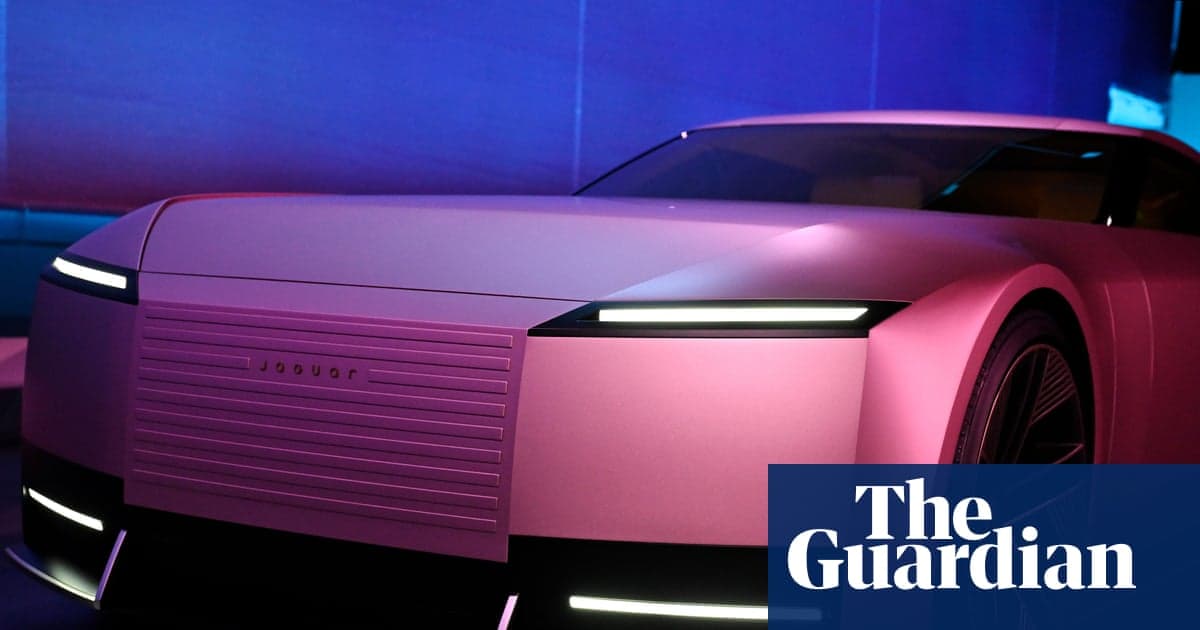
Jaguar Land Rover Could Have Shifted Production From UK without £380m Battery Subsidy, Officials Warned
Companies Mentioned
Why It Matters
The episode shows how targeted government subsidies can determine whether a flagship automaker stays domestic, directly affecting thousands of jobs and the UK’s position in the electric‑vehicle supply chain. It also raises questions about the transparency and long‑term sustainability of such aid in a competitive global market.
Key Takeaways
- •£380 m ($483 m) battery grant kept JLR’s supply chain in UK.
- •Without subsidy, battery plant could shift to Spain, prompting relocation.
- •JLR employs 33,000 UK workers across Solihull and Halewood.
- •Battery gigafactory investment rose to £5.2 bn ($6.6 bn).
- •CMA demands stronger evidence for subsidy justification.
Pulse Analysis
The United Kingdom’s automotive sector faces a crossroads as legacy manufacturers scramble to electrify their line‑ups. Jaguar Land Rover, the nation’s largest carmaker, employs roughly 33,000 workers and anchors a supply chain that stretches from steel mills to component makers. Delays in launching an all‑electric Jaguar and a postponed electric Range Rover have left JLR trailing rivals such as Tesla and Volkswagen, intensifying pressure on the government to provide a competitive edge through strategic incentives.
In December, the Department for Business and Trade disclosed a £380 million ($483 million) grant to Agratas, Tata’s new battery venture, to secure a Somerset gigafactory. The subsidy not only lifts the plant’s total outlay to £5.2 billion ($6.6 billion) but also aims to keep battery production—and consequently vehicle assembly—on British soil. Analysts warn that without the grant, the battery facility could relocate to Spain, where logistics would favor a shift of JLR’s manufacturing base, jeopardizing thousands of jobs. The Competition and Markets Authority’s request for more robust justification reflects growing scrutiny over state aid in an industry where cost efficiency drives plant siting decisions.
Beyond the immediate JLR case, the episode signals a broader policy dilemma: how to nurture an entire EV ecosystem without creating market distortions. Industry voices argue for subsidies that extend beyond headline manufacturers to include smaller suppliers, charging infrastructure, and recycling capabilities. As the UK seeks to cement its role in the zero‑emission vehicle race, a balanced approach that couples targeted grants with transparent, evidence‑based criteria will be essential for sustainable growth and global competitiveness.
Jaguar Land Rover could have shifted production from UK without £380m battery subsidy, officials warned
Comments
Want to join the conversation?
Loading comments...