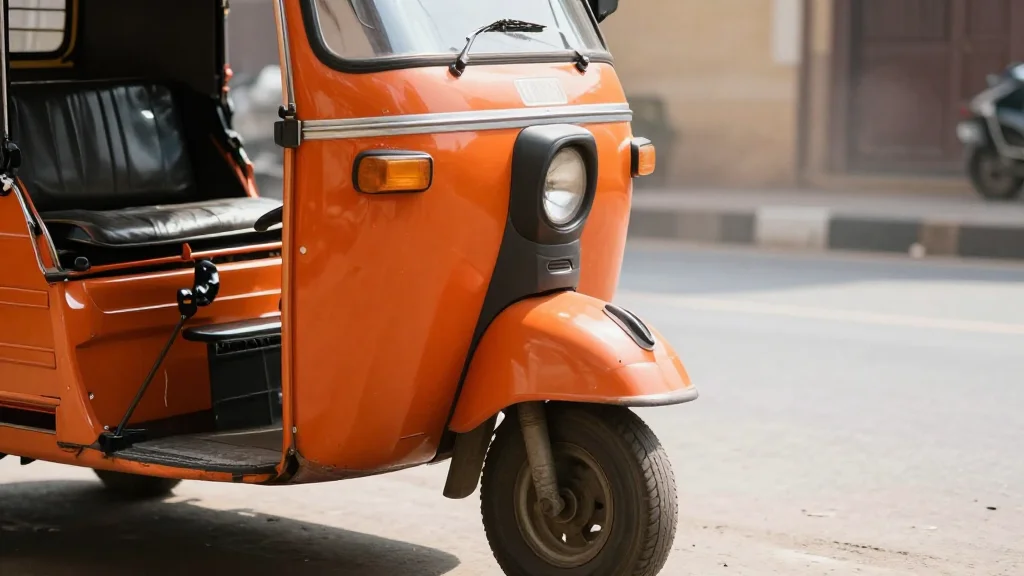
Jaipur Cab, Auto Fares Double Amid Rising Mercury; Govt Fails to Cap
Why It Matters
The price shock raises commuting costs for millions, exposing regulatory gaps that could reshape urban mobility and pressure policymakers to intervene.
Key Takeaways
- •Cab fares hit $3.5, about double normal rates
- •Auto fares climb to $2.8, still below metered caps
- •Heatwave cuts two‑wheel availability 40% midday
- •Bus cuts and e‑rickshaw zones tighten supply, fueling surges
Pulse Analysis
Jaipur’s summer heatwave has turned a routine commute into a costly ordeal. As temperatures soar past 40 °C, the supply of two‑wheelers—autorickshaws and motorbikes—plummets, prompting ride‑hailing algorithms to apply real‑time surge multipliers. The result is a near‑doubling of fares, with a typical cab ride now costing roughly $3.5 compared with the usual $2.0. This price elasticity reflects a broader pattern seen in Indian metros, where extreme weather amplifies demand for climate‑controlled transport while shrinking the pool of available drivers.
The regulatory environment compounds the issue. Jaipur’s transport department has published a fare chart for autos, yet enforcement is weak; most autos operate without meters, rendering the cap ineffective. Meanwhile, app‑based platforms remain outside the department’s jurisdiction, allowing them to adjust prices autonomously. The situation is further aggravated by a 30% reduction in city bus services since April 1 and the introduction of an e‑rickshaw segregation zone, both of which constrict overall public‑transport capacity and push commuters toward pricier private options.
For commuters, the immediate impact is higher out‑of‑pocket expenses, eroding disposable income in a city already grappling with rising living costs. For policymakers, the fare spike underscores the need for coordinated regulation that bridges traditional and digital transport sectors. Potential responses include mandating metered fares for autos, establishing a city‑wide surge‑price ceiling, or expanding bus frequencies during peak heat hours. Addressing these gaps could stabilize prices, protect consumers, and foster a more resilient urban mobility ecosystem.
Jaipur cab, auto fares double amid rising mercury; govt fails to cap
Comments
Want to join the conversation?
Loading comments...