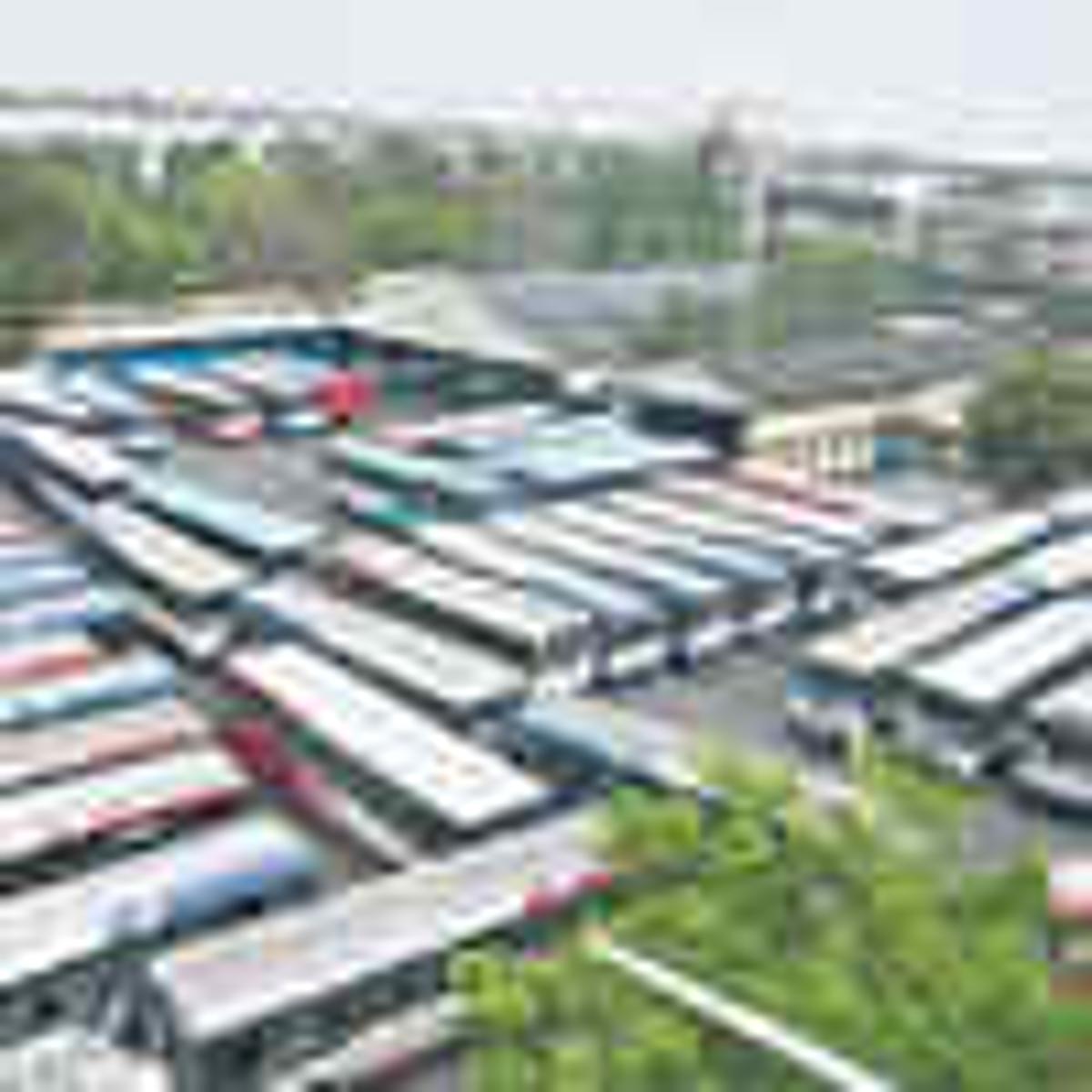
Jaipur Faces Bus Shortage as Fleet Halves, Commuters Hit by Delays and Overcrowding
Why It Matters
The sudden halving of Jaipur's bus fleet strains urban mobility, risking productivity losses and heightened traffic congestion. The pending e‑bus rollout offers a critical, albeit temporary, relief and signals a shift toward sustainable public transport.
Key Takeaways
- •JCTSL fleet reduced to 100 buses after two 100‑bus retirements
- •Peak‑hour commuters face severe overcrowding and longer wait times
- •Route rationalisation stalled as senior officials are on election duty
- •40‑45 new e‑buses expected by mid‑May to ease pressure
- •Two depots slated for e‑bus conversion: Todi Mod and Bagrana
Pulse Analysis
Jaipur’s public‑transport crisis underscores the challenges of aging vehicle fleets in fast‑growing Indian cities. The state‑run JCTSL adheres to a strict 15‑year service limit, which forced the retirement of 200 buses within a year. While the policy ensures safety and emissions compliance, the abrupt capacity loss has exposed the city’s reliance on a single operator and the absence of a robust private minibus network. As urban populations swell, municipalities must balance vehicle renewal with service continuity to avoid commuter disruption.
The commuter impact is immediate and measurable: longer queue times at stops, packed buses during peak hours, and reduced route frequency. For a city where many workers depend on affordable mass transit, these delays translate into lost work hours and heightened road congestion as passengers turn to private vehicles or informal transport. Compared with metros in Delhi or Bengaluru, Jaipur lags in multimodal integration, highlighting a broader need for diversified transit options and real‑time scheduling tools that can adapt to fleet fluctuations.
The introduction of 40‑45 electric buses by mid‑May offers a glimpse of a greener, more resilient system, but it is a stopgap rather than a long‑term fix. Upgrading the Todi Mod and Bagrana depots for e‑bus charging is a positive step toward decarbonisation, yet sustained improvement will require strategic fleet planning, accelerated procurement cycles, and coordination with private operators. Policymakers must also address staffing gaps caused by election duties to ensure route rationalisation proceeds without delay. If Jaipur can navigate these hurdles, it could set a precedent for other mid‑size Indian cities seeking to modernise public transport while managing rapid urban growth.
Jaipur faces bus shortage as fleet halves, commuters hit by delays and overcrowding
Comments
Want to join the conversation?
Loading comments...