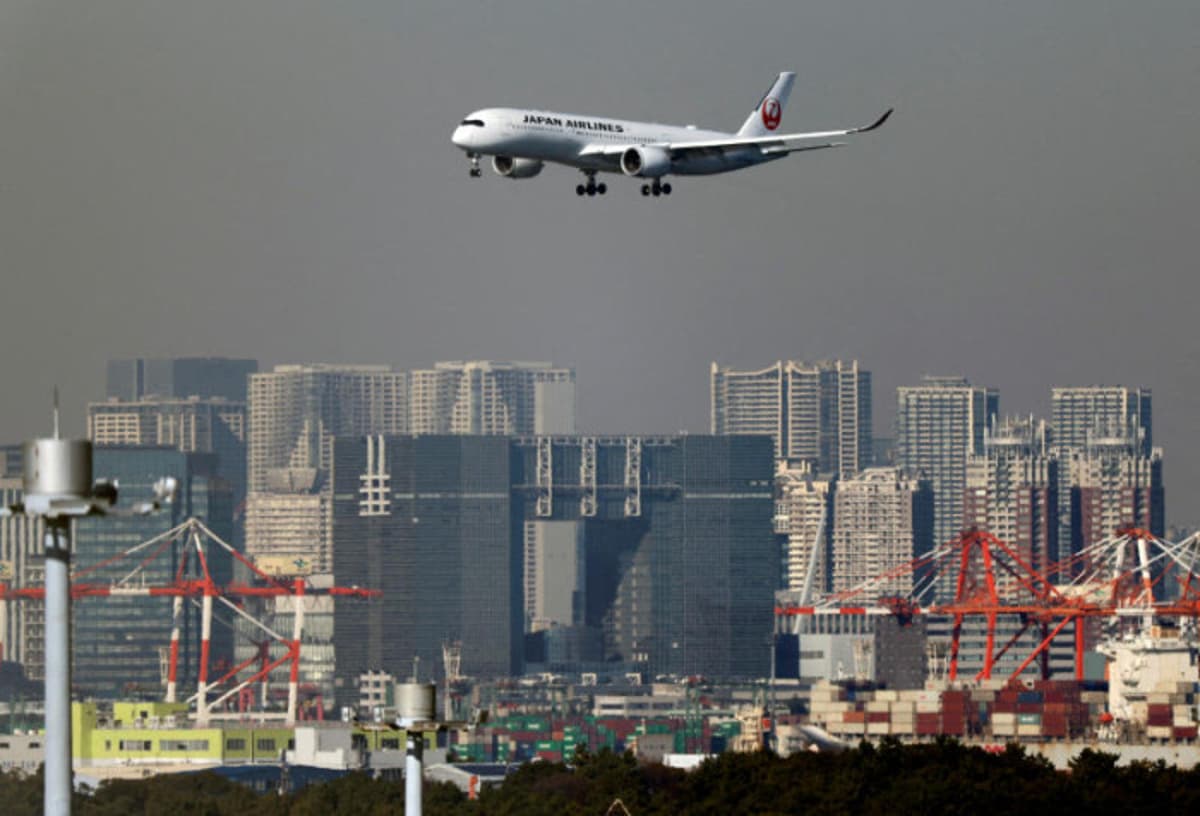
JAL Warned After 2 Cabin Attendants' Drinking Incident Delays Flight
Why It Matters
The incident underscores persistent safety‑compliance gaps at JAL, threatening passenger confidence and inviting stricter regulatory oversight. It also signals a broader industry challenge in enforcing crew alcohol policies, with potential financial and reputational costs.
Key Takeaways
- •Two JAL cabin crew drank, causing 40‑minute flight delay.
- •Chief attendant fired; other suspended; president’s pay cut 30% for two months.
- •Ministry ordered preventive measures by July 17, citing safety awareness gaps.
- •Incident adds to series of JAL alcohol scandals disrupting flights.
- •Regulatory scrutiny intensifies, urging airline to tighten crew compliance.
Pulse Analysis
The May 23 incident on a Hiroshima‑to‑Haneda flight highlights how a single lapse in crew discipline can ripple through an airline’s operations. After two cabin attendants consumed alcohol the night before, a failed pre‑flight test forced a last‑minute crew swap, pushing departure back 40 minutes. Japan Airlines responded with swift personnel actions—terminating the chief attendant, suspending her colleague, and slashing President Mitsuko Tottori’s salary by 30% for two months—while the transport ministry imposed a July 17 deadline for a comprehensive safety‑culture overhaul.
Regulators are increasingly intolerant of repeat violations, especially after JAL’s 2024 pilot‑drinking scandal that grounded flights for over 18 hours. The ministry’s business improvement order and now‑issued reprimand signal that Japan’s aviation authority is moving from advisory warnings to enforceable mandates. For airlines, the cost of non‑compliance extends beyond fines; it erodes brand equity, invites passenger boycotts, and can trigger insurance premium hikes. JAL must therefore embed rigorous alcohol‑testing protocols, real‑time monitoring, and a transparent reporting culture to restore stakeholder trust.
Globally, the aviation sector is tightening crew‑wellness standards, with many carriers adopting zero‑tolerance policies and biometric screening. JAL’s recent missteps serve as a cautionary tale for competitors, emphasizing that safety culture is as much about proactive education as punitive measures. By investing in continuous training, leveraging data analytics to flag at‑risk staff, and aligning incentives with safety outcomes, airlines can mitigate operational disruptions and safeguard their market position in an increasingly safety‑conscious travel landscape.
JAL warned after 2 cabin attendants' drinking incident delays flight
Comments
Want to join the conversation?
Loading comments...