Japan Airlines Vs. The World: How Robotics Is Reshaping Aviation and Tourism
Companies Mentioned
Why It Matters
If JAL’s humanoid robots prove cost‑effective, airlines worldwide could redesign labor models, cutting reliance on scarce human workers and reshaping operational economics.
Key Takeaways
- •JAL tests humanoid robots for baggage handling until 2028
- •Robots target labor shortages, not full worker replacement
- •Other airlines use task‑specific, non‑humanoid automation
- •Hospitality robots focus on guest experience, not back‑end efficiency
Pulse Analysis
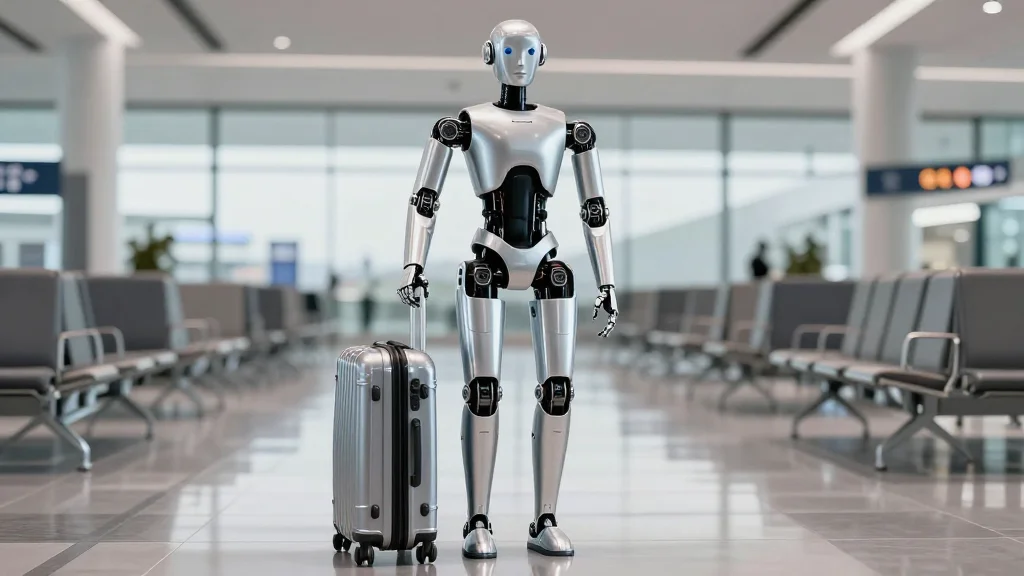
Japan’s aging workforce and persistent pilot and ground‑crew shortages have forced airlines to explore new productivity levers. Japan Airlines’ decision to deploy humanoid robots for baggage handling is notable because the machines can navigate existing human‑centric facilities without costly retrofits. By leveraging flexible, sensor‑rich platforms, JAL aims to reduce overtime costs and improve turnaround times, while keeping humans in safety‑critical oversight roles. This approach aligns with broader Industry 4.0 trends that prioritize adaptable automation over static conveyor systems.
Across the sector, carriers such as Airbus‑partnered Air France Industries have introduced semi‑autonomous inspection robots, and airports worldwide field service bots like Pepper for passenger assistance. These solutions are largely task‑oriented, handling specific functions such as fuselage scanning or way‑finding. Their limited scope contrasts with JAL’s ambition to replace repetitive, labor‑intensive back‑end tasks, potentially delivering higher ROI if the robots achieve comparable speed and reliability. However, earlier deployments of humanoid service robots have struggled with noise, engagement, and maintenance costs, underscoring the need for rigorous performance metrics before scaling.
The long‑term implication for aviation and tourism is a gradual redefinition of frontline labor. Successful integration of JAL’s humanoid fleet could spur airlines to adopt similar platforms for cargo loading, aircraft towing, and even cabin servicing, reshaping workforce planning and training. Yet history warns that technical feasibility does not guarantee operational viability; cost per handled bag, downtime, and regulatory compliance will dictate adoption speed. Stakeholders should monitor JAL’s pilot results closely, as they will likely set the benchmark for the next generation of flexible, cost‑effective automation in the travel ecosystem.
Japan Airlines vs. the World: How Robotics Is Reshaping Aviation and Tourism
Comments
Want to join the conversation?
Loading comments...