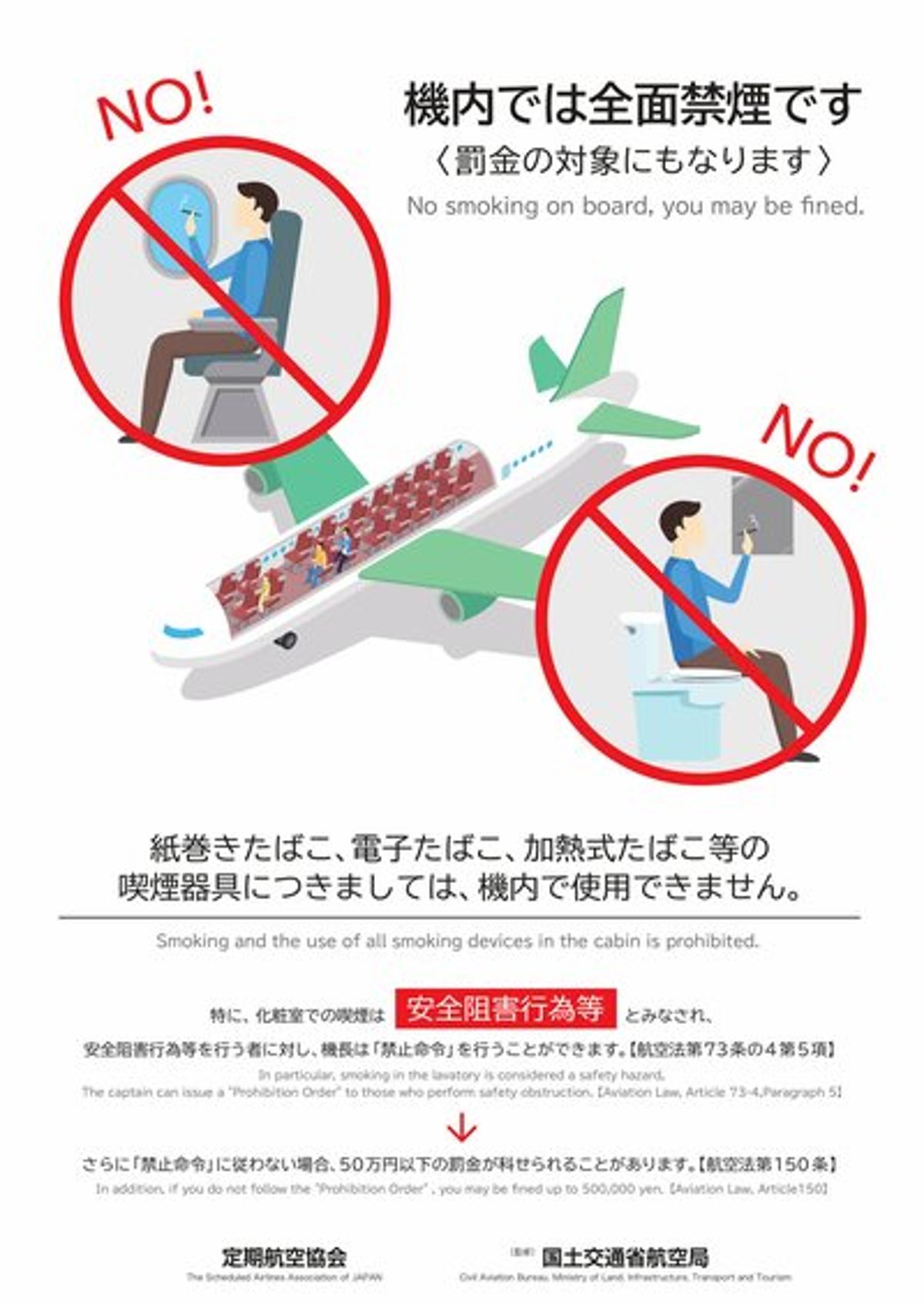
Japan-Based Airlines Report Record 429 Cases of In-Flight Smoking in 2025
Why It Matters
The spike threatens aircraft safety and could increase operational costs for airlines, prompting stricter enforcement and passenger education across the aviation sector.
Key Takeaways
- •429 in‑flight smoking incidents in 2025, 6.6× 2019 level
- •Heated‑tobacco products now exceed 40% of Japan’s tobacco sales
- •Fines up to ¥500,000 ($3,100) for violating aircraft smoking bans
- •Transport ministry to launch awareness campaign with airlines on fire risk
- •Reports required for planes >100 seats or >50,000 kg take‑off weight
Pulse Analysis
The resurgence of in‑flight smoking incidents in Japan reflects a broader global shift toward vaping and heated‑tobacco devices. While traditional cigarettes have long been banned on commercial aircraft, the discreet nature of vapor emissions and the perception of reduced harm have emboldened some passengers to ignore regulations. This trend challenges the aviation industry's long‑standing safety protocols, as even a small spark in a confined cabin can trigger catastrophic outcomes. Regulators are therefore reassessing detection technologies and passenger screening methods to keep pace with evolving nicotine consumption habits.
Airlines operating larger aircraft are now facing heightened scrutiny as the Ministry of Land, Infrastructure, Transport and Tourism tightens reporting requirements. The potential for hefty fines—up to ¥500,000 ($3,100) per violation—adds a financial incentive for carriers to enforce compliance more rigorously. In response, carriers are deploying clearer signage, pre‑flight video briefings, and crew training focused on rapid response to smoke detector alerts. These measures aim to mitigate fire risks while preserving the passenger experience, a delicate balance that could influence ticket pricing and operational efficiency.
Looking ahead, the incident surge may catalyze policy reforms beyond fines and awareness campaigns. Industry experts anticipate stricter penalties, possible revocation of boarding privileges for repeat offenders, and the integration of advanced air‑quality monitoring systems capable of distinguishing between tobacco smoke and vapor. Such initiatives could set new safety benchmarks not only for Japan but also for international carriers confronting similar challenges, reinforcing the importance of proactive regulation in maintaining the integrity of global air travel.
Japan-based airlines report record 429 cases of in-flight smoking in 2025
Comments
Want to join the conversation?
Loading comments...