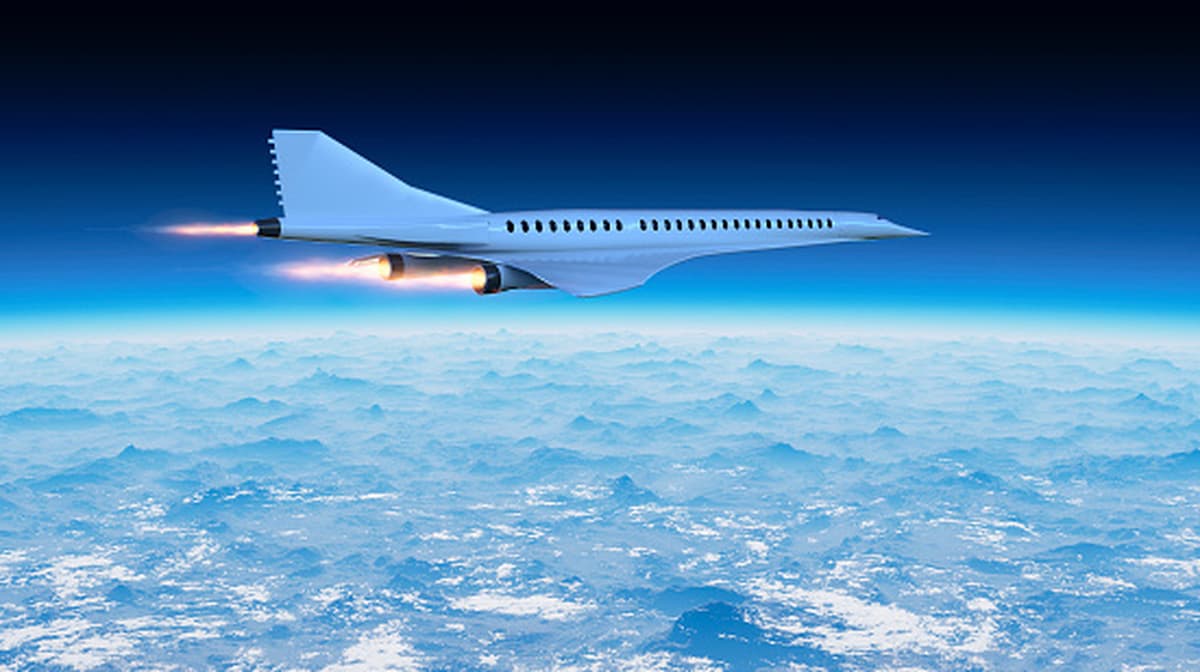
Japan Hopes This Hypersonic Engine Can Make 2 Hour Flights To The US A Reality
Companies Mentioned

Why It Matters
A viable hypersonic passenger jet would redefine long‑haul air travel, delivering sub‑2‑hour transpacific routes and reshaping airline economics and global connectivity. It also intensifies aerospace competition between Japan and the United States.
Key Takeaways
- •Japan's Mach 5 engine test succeeded at JAXA’s Kakuda Center.
- •Target commercial rollout envisioned for the 2040s, 20‑year development horizon.
- •Two‑hour Japan‑US flight would cut current 10‑hour route by 80%.
- •Aircraft must endure 1,832 °F temperatures and 80,000‑ft altitude conditions.
- •U.S. private firms like Stratolaunch also testing reusable hypersonic prototypes.
Pulse Analysis
Japan’s recent Mach 5 engine test marks a pivotal moment in the race to commercialize hypersonic passenger travel. While supersonic jets like Concorde vanished over two decades ago, the new engine operates at five times the speed of sound, a regime previously reserved for missiles and re‑entry vehicles. By replicating 80,000‑foot altitude and extreme thermal loads, researchers demonstrated that a ramjet‑based airframe could sustain the intense heat of 1,832 °F, a prerequisite for safe, repeated flights across the Pacific.
The technical hurdles remain formidable. Designing an airframe that balances structural integrity with weight constraints demands advanced composites and active cooling systems. Integrating a reliable ramjet—or combined cycle propulsion—requires precise control of airflow at hypersonic speeds, where shock waves can destabilize combustion. Moreover, regulatory frameworks for noise, emissions and over‑flight safety are still nascent. Japan’s projected timeline, targeting the 2040s for market entry, reflects the need for iterative testing, including potential rocket‑assisted demonstrations, before a full commercial platform can be certified.
If realized, a two‑hour Japan‑to‑U.S. service would compress a journey that now takes ten hours into a fraction of the time, unlocking new business models for high‑value cargo, time‑critical passenger travel, and even tourism. The development also fuels geopolitical competition, as the United States accelerates its own hypersonic programs through both defense and private ventures like Stratolaunch. Investors and airlines will watch closely, weighing the promise of unprecedented speed against the substantial capital outlay required to build and operate such cutting‑edge aircraft.
Japan Hopes This Hypersonic Engine Can Make 2 Hour Flights To The US A Reality
Comments
Want to join the conversation?
Loading comments...