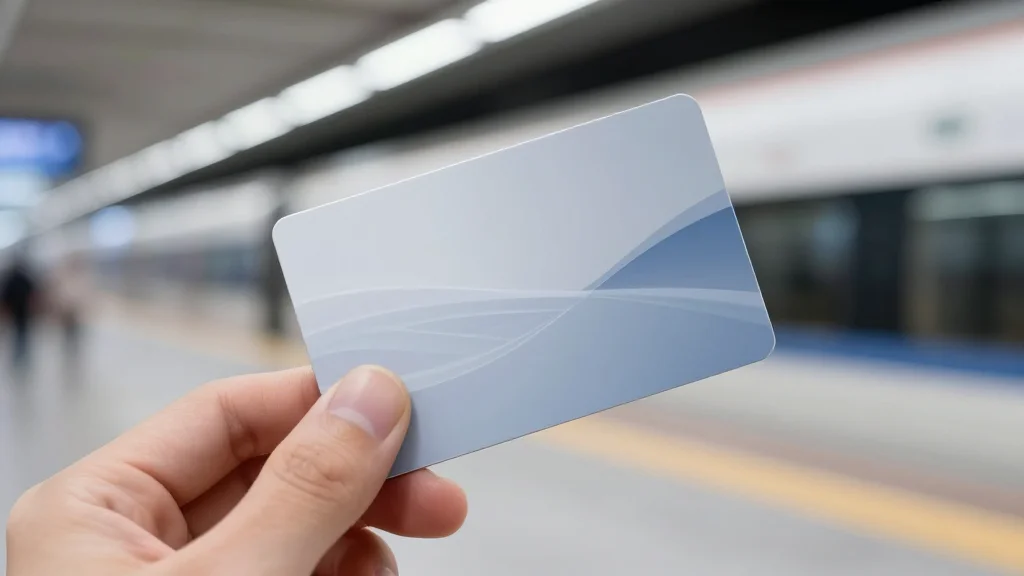
Japan Issues New Prepaid Cards Exclusively for Tourists
Companies Mentioned

Javelin Strategy & Research
Why It Matters
The card removes the friction of cash handling and currency exchange, encouraging higher tourist spend and setting a new standard for visitor‑focused payment solutions in a market that relies heavily on public transit.
Key Takeaways
- •Tourist Pasmo offers 28‑day cashless travel across Japan.
- •Card costs $15 at Narita; $7‑$73 load range at Haneda.
- •Can be recharged, but unused balance is non‑refundable.
- •Enables tap‑and‑go on trains, subways, buses, and retail.
- •First dedicated prepaid tourist transit card in Japan.
Pulse Analysis
Japan’s public‑transport ecosystem has long been a magnet for international travelers, but the need to purchase separate tickets or navigate multiple fare cards can be a deterrent. With inbound tourism rebounding to pre‑pandemic levels—over 30 million visitors in 2023—operators are seeking ways to streamline the visitor experience. Pasmo’s Tourist card taps into the broader cashless shift, offering a single, reloadable solution that works nationwide, mirroring the convenience of mobile wallets while preserving the simplicity of a physical card.
The new card’s pricing strategy reflects both accessibility and flexibility. A flat $15 fee at Narita Airport provides a ready‑to‑use product for first‑time arrivals, while the $7‑$73 load option at Haneda lets travelers tailor the balance to their itinerary length and spending habits. The ability to top up during the 28‑day window mirrors domestic prepaid habits, yet the non‑refundable balance policy encourages users to spend the full amount, potentially boosting retail sales at stations and vending locations. Compared with the limited‑region Welcome Suica, which is iPhone‑only, Tourist Pasmo’s broader acceptance and Android compatibility give it a competitive edge.
Beyond immediate convenience, the card could become a modest revenue stream for Pasmo and its partners through issuance fees and transaction commissions. Its introduction also signals to other transit authorities worldwide that dedicated tourist payment products are viable, especially in markets where cash remains dominant. However, the non‑refundable balance and the need for physical distribution at airports may pose operational challenges. If adoption proves strong, we may see similar models roll out in other high‑traffic tourism hubs, further blurring the line between transit and retail payment ecosystems.
Japan Issues New Prepaid Cards Exclusively for Tourists
Comments
Want to join the conversation?
Loading comments...