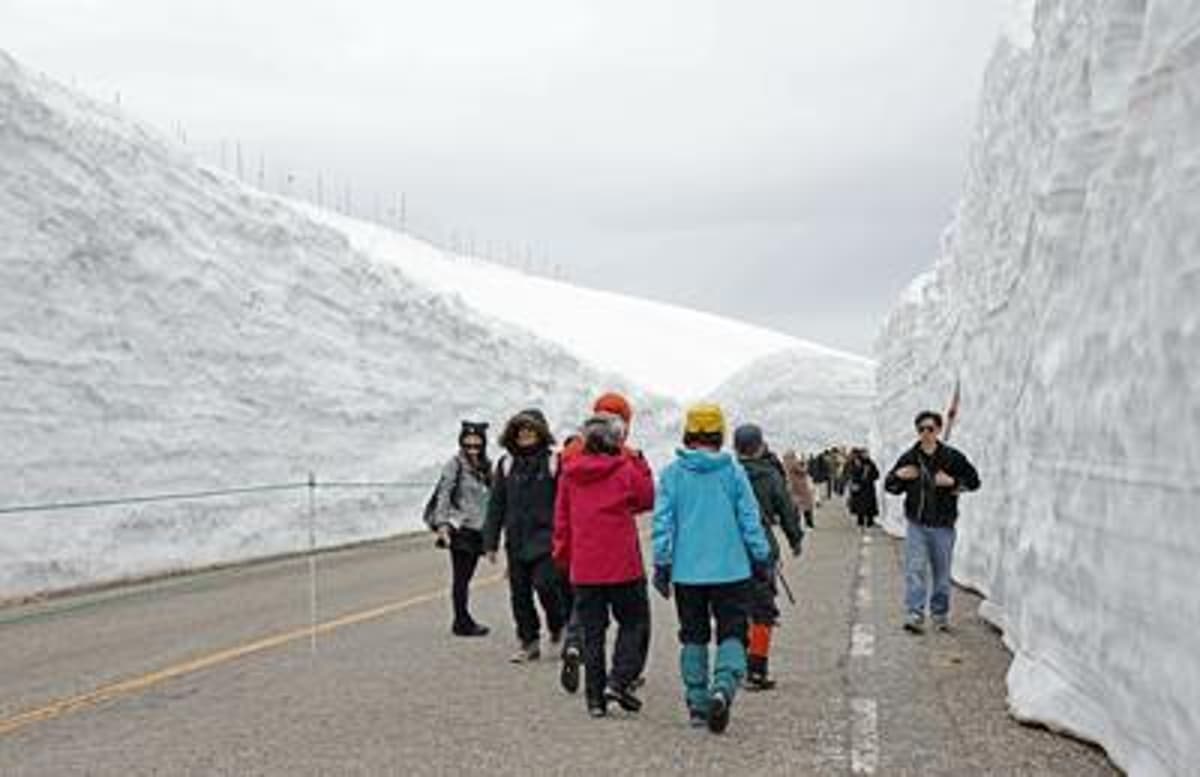
Japan's Alpine Route Opens, Showcasing Snow Walls
Why It Matters
The reopening boosts regional tourism and showcases Japan’s ability to create dramatic winter attractions despite a short season, supporting local economies in Toyama and Nagano.
Key Takeaways
- •Tateyama Kurobe Alpine Route reopened April 15, 2026.
- •Snow walls on Murodo plateau reach 12 meters high.
- •Route operates until end of November, linking Toyama and Nagano.
- •Visitors can experience ropeway, cable car, and bus transport.
- •Snow layers reveal last winter's weather with sand and ice grains.
Pulse Analysis
The Tateyama Kurobe Alpine Route has long been a showcase of Japan’s rugged Northern Alps, linking the coastal town of Tateyama in Toyama Prefecture with the inland city of Omachi in Nagano. First opened in the 1970s, the corridor combines a series of transport modes—bus, trolleybus, ropeway, and cable car—to traverse steep valleys and high plateaus. Its seasonal closure during the deep winter months protects infrastructure, while the spring reopening signals the start of a lucrative tourist window that draws both domestic and international travelers seeking alpine scenery.
This year’s opening is distinguished by the “Yuki no Otani” snow corridor, where freshly sculpted walls climb to an unprecedented 12 meters on the Murodo plateau, situated 2,450 meters above sea level. Engineers achieve these heights through meticulous snow‑removal techniques that leave layered deposits of yellow sand and ice grains, offering a visual record of last winter’s weather patterns. Visitors can walk between the towering walls, capture photos, and then transition to the route’s ropeway and cable cars for panoramic views of the surrounding peaks, creating a multi‑sensory experience that blends natural wonder with engineered access.
The route’s extended operation through November provides a steady stream of revenue for the Toyama and Nagano regions, supporting hotels, restaurants, and local transport operators. In a post‑pandemic travel landscape, Japan’s emphasis on unique, high‑value attractions helps differentiate its tourism offering and encourages longer stays. Moreover, the Alpine Route’s ability to generate media‑worthy spectacles—such as the record‑tall snow walls—feeds digital word‑of‑mouth, attracting younger travelers who share experiences on social platforms. Continued investment in seasonal infrastructure is likely to reinforce the corridor’s role as a cornerstone of Japan’s alpine tourism strategy.
Japan's Alpine route opens, showcasing snow walls
Comments
Want to join the conversation?
Loading comments...