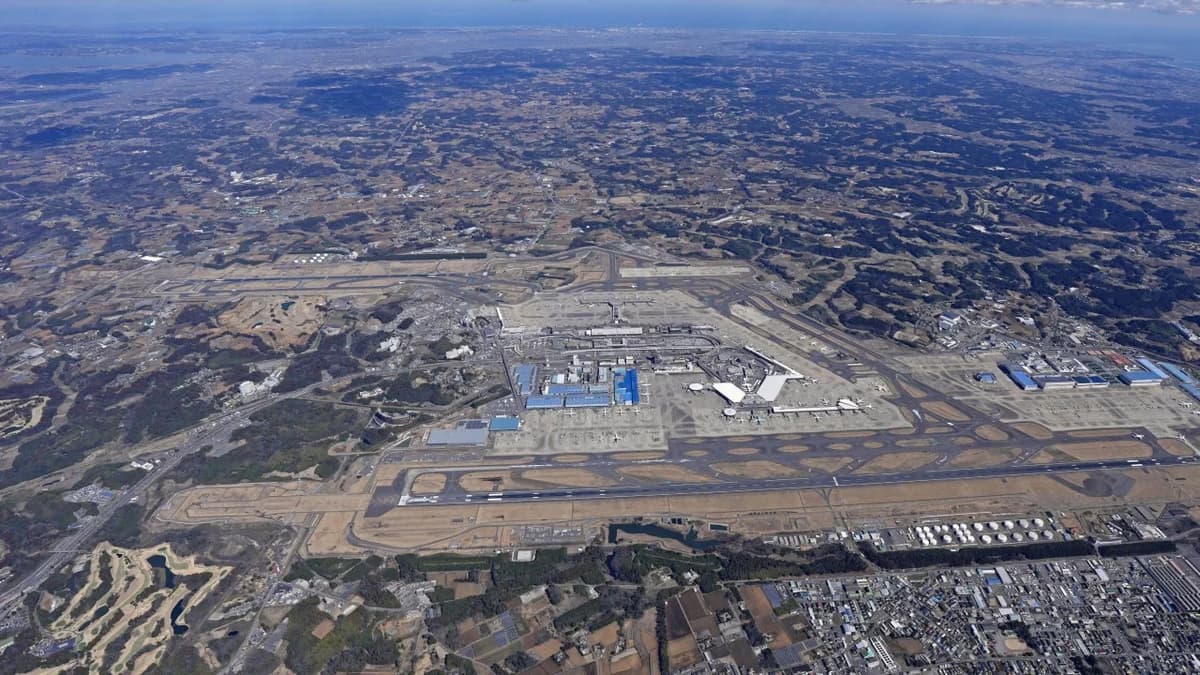
Japan’s Narita Airport Expansion Revives Row over Forced Land Sales
Why It Matters
The runway could reshape Japan’s air‑travel capacity and tourism growth, but forced land sales risk reigniting social unrest and attracting scrutiny over environmental and security concerns.
Key Takeaways
- •NAA has secured 88.4% of land for third runway
- •New runway aims to boost slots from 340k to 500k annually
- •Farmers resist; 73% of one farm targeted for compulsory sale
- •Government may invoke eminent domain, recalling 1960s clashes
- •Expansion tied to goal of 60 million tourists by 2030
Pulse Analysis
Narita’s third‑runway plan reflects a broader capacity crunch in Japanese aviation. With Haneda’s slots tightly capped, airlines are eyeing Narita to accommodate rising demand from both business travelers and inbound tourists. The 3,500‑metre runway would enable larger, longer‑range aircraft, supporting the government’s target of 60 million foreign visitors by 2030 and enhancing Japan’s position as a regional hub. However, the project’s progress hinges on securing the remaining 11.6% of land, a task now complicated by the operator’s willingness to pursue compulsory acquisition.
The controversy is steeped in history. When Narita was first designated in the 1960s, forced land purchases triggered violent clashes that left four police officers and a protester dead. Decades later, the same communities—still rooted in agriculture—are confronting a repeat of those tactics. Opposition groups argue the expansion threatens local ecosystems, raises greenhouse‑gas emissions, and could be repurposed for military use in emergencies. Their protests echo past fears of government overreach and the specter of a US‑aligned military base, underscoring the social and environmental stakes that extend beyond mere runway length.
For investors and industry stakeholders, the runway’s fate carries significant financial implications. A successful expansion would unlock additional slots, driving revenue for airlines, airport retailers, and ancillary services while alleviating congestion at Haneda. Conversely, prolonged legal battles or heightened ESG concerns could delay the project, erode investor confidence, and expose NAA to reputational risk. Balancing Japan’s tourism ambitions with community consent and sustainability will be pivotal in determining whether Narita’s runway becomes a catalyst for growth or a flashpoint for renewed conflict.
Japan’s Narita Airport expansion revives row over forced land sales
Comments
Want to join the conversation?
Loading comments...