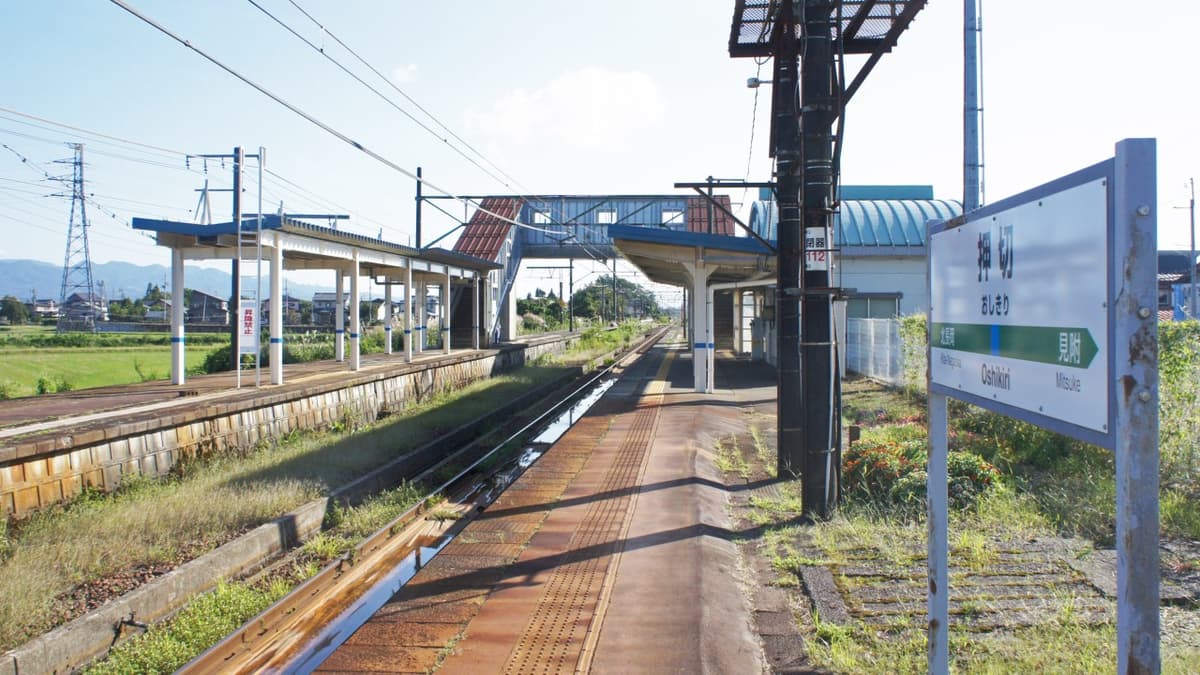
Japan’s Rural Rail Crisis Hits New Low as JR East Cuts Toilet Paper Service
Why It Matters
The cut signals escalating financial pressure on rural rail services, threatening service quality and the viability of Japan’s extensive but underused network.
Key Takeaways
- •JR East stops providing toilet paper at unmanned stations
- •Rural rail lines losing 5% of network over 30 years
- •Declining population drives line closures, shift to BRT
- •Cost cuts include unmanned stations and reduced amenities
- •Public reaction mixes annoyance with resignation
Pulse Analysis
JR East’s announcement that toilet paper will no longer be stocked at unmanned stations highlights deep cost‑cutting across Japan’s rail network. The move follows a decade‑long trend of trimming expenses, from reducing staff to eliminating low‑usage amenities. Data show 1,366 km—about 5 percent—of national track abandoned in thirty years, with 534 km removed in the last ten. As ridership falls in sparsely populated regions, operators prioritize core routes and shave peripheral services. The decision also sparked a wave of social‑media criticism, with users posting signs warning travelers to bring their own supplies.
The driver is Japan’s demographic contraction. Rural prefectures like Niigata see steady population loss, eroding fare revenue and making many lines unprofitable. Transport‑ministry figures cited by Kyodo News show unprofitable routes increasingly replaced by bus rapid‑transit (BRT) corridors, which need far less capital. For commuters, the loss of basic comforts such as toilet paper signals a broader erosion of service quality, while unmanned stations raise safety and accessibility concerns. Such shifts are part of a broader national effort to balance mobility with fiscal responsibility, as local governments grapple with shrinking tax bases.
JR East’s austerity measure warns other legacy operators of similar fiscal strain. Though the inconvenience seems minor, it reflects a strategic shift toward leaner operations that could further marginalize rural rail. Policymakers may need to rethink subsidy models or pursue public‑private partnerships to maintain essential connectivity. For investors, the episode shows how demographic trends translate into concrete cost‑saving actions, reshaping asset utilization and prompting a reevaluation of long‑term infrastructure commitments in transportation. If unaddressed, the decline could accelerate migration to urban centers, further weakening the economic viability of remaining rural lines.
Japan’s rural rail crisis hits new low as JR East cuts toilet paper service
Comments
Want to join the conversation?
Loading comments...