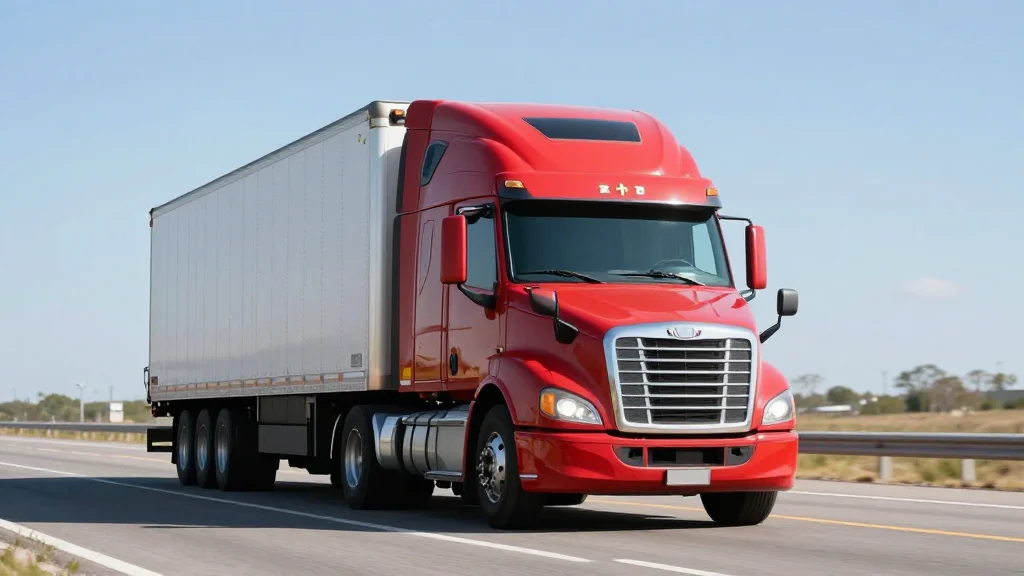
J.B. Hunt Sees TL Rates Climbing 20% over Next 2 Years
Why It Matters
The projected rate surge signals higher shipping costs for manufacturers and retailers, while J.B. Hunt’s cost‑cutting and capacity expansion could reshape competitive dynamics in the U.S. freight market.
Key Takeaways
- •J.B. Hunt projects 20% TL rate rise over two years
- •Regulatory enforcement trims capacity, pushing rates up
- •Driver wage hikes add cost pressure on shippers
- •Brokerage volume up 10% YoY, margins still squeezed
- •Intermodal rates 20-25% cheaper than TL, prompting conversion
Pulse Analysis
The truckload market is entering a rare supply‑driven upcycle, as tighter regulatory scrutiny forces carriers to retire older equipment and limit new entries. With fewer trucks on the road, the Outbound Tender Rejection Index has surged, indicating that shippers are encountering more load rejections. At the same time, driver shortages in key regions such as the Midwest have forced carriers to raise wages and offer sign‑on bonuses, further inflating the cost base that is now being passed to customers. Even without a major demand catalyst, these supply constraints are enough to lift rates, a trend J.B. Hunt highlighted at the Bank of America Industrials conference.
J.B. Hunt’s strategic response blends capacity growth with aggressive cost discipline. The company plans to add up to 1,000 dedicated trucks each year, bolstering its ability to capture high‑margin TL contracts. Simultaneously, a $130 million annual cost‑takeout initiative—driven by AI‑enabled routing, automated load matching, and broader belt‑tightening—targets a roughly 14% reduction in operating expenses relative to its $900 million operating income. This dual approach has helped the carrier regain market share in both intermodal and TL segments, even as it cedes some backhaul yields on shorter Eastern hauls.
For shippers and investors, the 20% rate outlook translates into higher freight spend but also clearer pricing signals. Companies can lock in rates early through dedicated contracts that include 2‑4% annual escalators, mitigating exposure to volatile spot markets. Meanwhile, J.B. Hunt’s push to convert intermodal traffic—currently 20‑25% cheaper than TL—offers a cost‑effective alternative for distance‑sensitive shipments. The combination of rising rates, capacity expansion, and technology‑driven efficiency positions J.B. Hunt as a bellwether for the broader logistics sector as it navigates a tighter, more expensive freight environment.
J.B. Hunt sees TL rates climbing 20% over next 2 years
Comments
Want to join the conversation?
Loading comments...