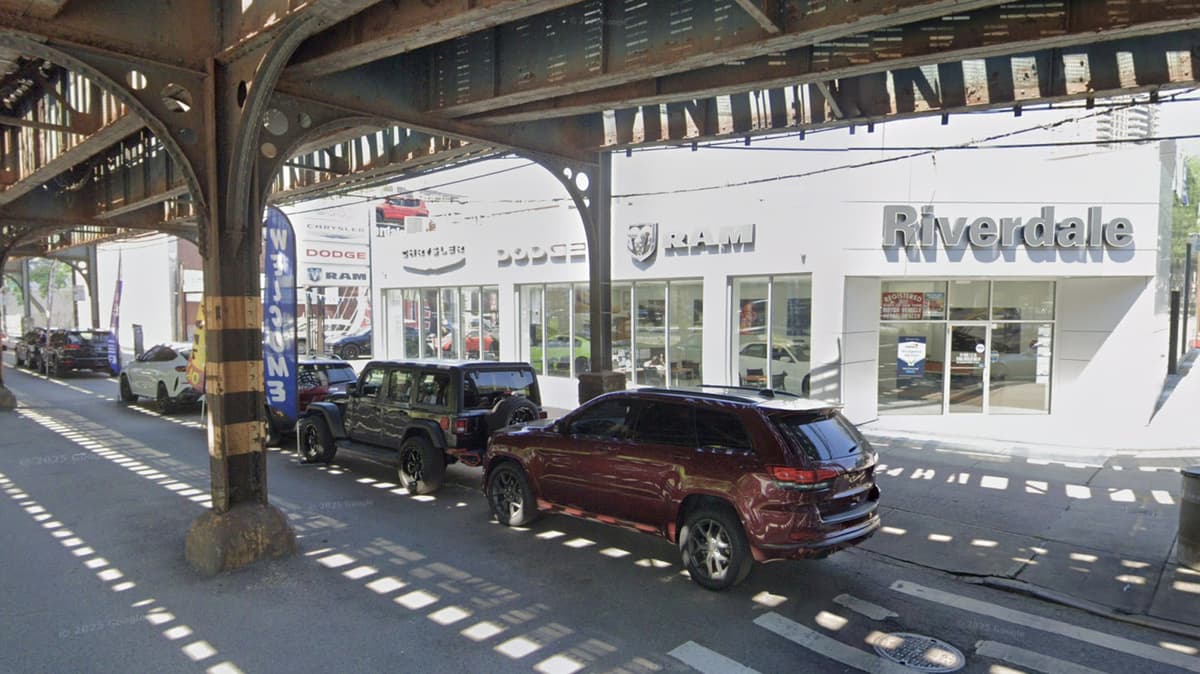
Jeep Dealership Allegedly Forged Buyer's Signature, Sold Him A Car With 6,200 Added Miles And Tacked On An Extra $5,000 Charges

Why It Matters
The case highlights persistent dealership fraud risks, prompting tighter scrutiny of vehicle provenance and financing disclosures. It underscores the need for stronger consumer protections in auto retail.
Key Takeaways
- •Dealer delivered Jeep with 6,200 extra miles
- •Customer charged $2,400 above agreed price
- •Unauthorized $5,000 fees added to invoice
- •Wet signature given, no copies provided
- •GM Financial flagged mileage discrepancy same day
Pulse Analysis
Dealership misconduct, especially odometer tampering, erodes consumer confidence in the used‑car market. In the Bronx case, the alleged substitution of a high‑mileage Grand Cherokee L for a near‑new unit illustrates how misrepresentation can occur even in ostensibly reputable franchise locations. Buyers often rely on dealer‑provided certifications and financing partners like GM Financial, assuming those entities have verified the vehicle’s condition. When those checks fail, the financial fallout can be significant, as seen with the $2,400 price inflation and $5,000 in unauthorized fees that inflated the buyer’s out‑of‑pocket cost beyond the $49,000 purchase price.
Regulators and industry watchdogs have long warned that odometer fraud not only deceives consumers but also skews market pricing data used for loan underwriting and resale valuations. The lawsuit’s claim that the dealer falsified mileage records raises questions about internal controls at franchise operations and the adequacy of third‑party verification processes. Financial institutions that back auto loans are increasingly employing digital vehicle history tools, yet this incident shows that manual documentation—such as wet signatures without copies—remains a vulnerability that can be exploited.
For consumers, the takeaway is heightened vigilance: request independent vehicle inspections, obtain a full, unredacted Carfax or AutoCheck report, and insist on receiving copies of all signed documents. Dealerships found guilty of such practices face civil penalties, potential restitution, and damage to brand reputation, prompting manufacturers to enforce stricter compliance standards across their dealer networks. As litigation like this gains public attention, it may spur legislative action aimed at tightening disclosure requirements and imposing harsher penalties for odometer fraud, ultimately protecting buyers and preserving market integrity.
Jeep Dealership Allegedly Forged Buyer's Signature, Sold Him A Car With 6,200 Added Miles And Tacked On An Extra $5,000 Charges
Comments
Want to join the conversation?
Loading comments...