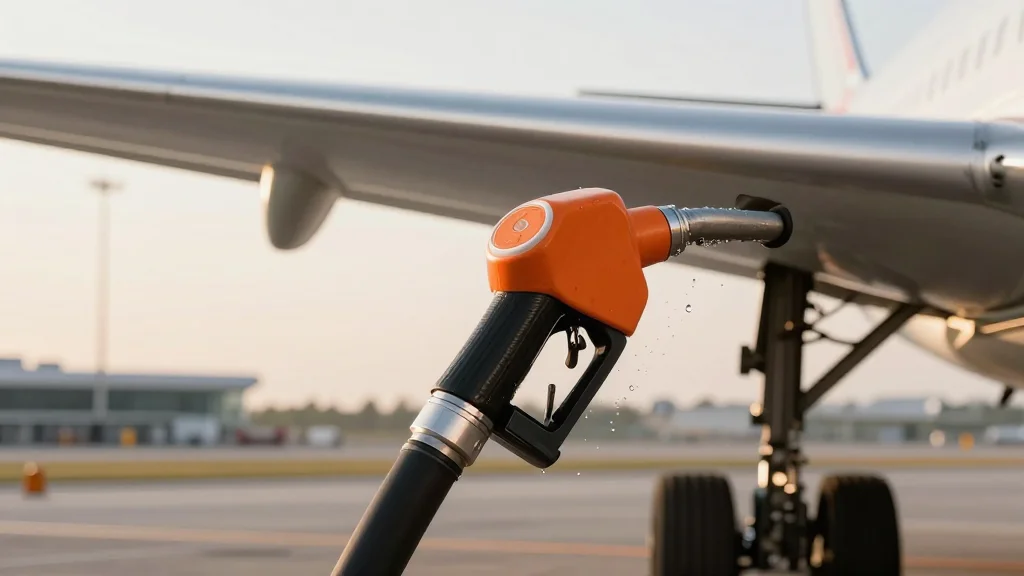
Jet Fuel Surge Forces Canadian Airlines to Raise Fares, Travelers Seek New Ways to Save

Companies Mentioned
Why It Matters
The surge in jet‑fuel costs is reshaping airline economics worldwide, forcing carriers to pass expenses onto passengers through higher fares and surcharges. For consumers, especially those dependent on affordable air travel for work or family connections, the price hikes erode disposable income and limit mobility. The situation also tests the resilience of supply chains and regulatory responses, as governments grapple with energy security and consumer protection. Emerging digital platforms like Farefinda illustrate how technology can mitigate some of the pain by giving travelers transparent, up‑to‑date pricing, potentially softening the market impact of fuel‑driven fare inflation. In the broader transportation ecosystem, sustained fare increases could shift demand toward alternative modes—trains, buses, or even virtual meetings—altering traffic patterns and influencing long‑term investment decisions in aviation infrastructure. Policymakers and industry leaders will need to balance short‑term relief measures with strategies to diversify fuel sources and improve operational efficiency, ensuring the sector remains viable without pricing out a large segment of its customer base.
Key Takeaways
- •Air Canada, WestJet, Porter and Air Transat announce fare hikes or new fuel surcharges as jet‑fuel prices more than double.
- •Jet‑fuel shortage linked to Strait of Hormuz blockage leaves Europe with only six weeks of reserves, prompting capacity cuts.
- •Air Transat cuts 1,000 flights (6% capacity) for May‑October; WestJet trims up to 6% capacity by June.
- •Indian carriers cancel hundreds of Gulf services, driving steep fare spikes for expatriate workers.
- •New platform Farefinda launches in Lagos, offering real‑time fare comparison to help travelers find cheaper tickets.
Pulse Analysis
The current wave of fare increases is less a seasonal price adjustment and more a structural shock to airline cost bases. Jet fuel, which accounts for roughly 25% of an airline’s operating expenses, has surged beyond the point where carriers can absorb the shock without compromising cash flow. Historically, airlines have used hedging strategies to smooth out fuel price volatility, but the rapid escalation tied to geopolitical disruption has outpaced many existing contracts, leaving carriers to resort to direct price passes.
From a competitive standpoint, the pressure creates a paradox. On one hand, higher fares could depress demand, especially on discretionary leisure routes. On the other, reduced capacity—whether through flight cancellations or deliberate schedule trimming—tightens supply, which can sustain or even elevate prices despite weaker demand. This dynamic mirrors the classic "price‑elasticity" curve where airlines gamble on maintaining load factors while extracting higher yields per seat. The emergence of Farefinda and similar aggregators may intensify price competition by making fare differentials more visible, potentially forcing airlines to offer more granular discounting or loyalty incentives.
Policy responses will be pivotal. The EU’s emergency energy measures aim to stabilize fuel supplies, yet critics argue they stop short of addressing the root cause—over‑reliance on Gulf imports. In markets like India, where fare spikes disproportionately affect low‑income migrant workers, targeted interventions such as temporary fare caps or subsidies could prevent a broader socioeconomic fallout. Ultimately, the sector’s resilience will hinge on how quickly it can diversify fuel sources—through sustainable aviation fuels or alternative energy—while leveraging technology to keep the consumer side of the equation as transparent and competitive as possible.
Jet Fuel Surge Forces Canadian Airlines to Raise Fares, Travelers Seek New Ways to Save
Comments
Want to join the conversation?
Loading comments...