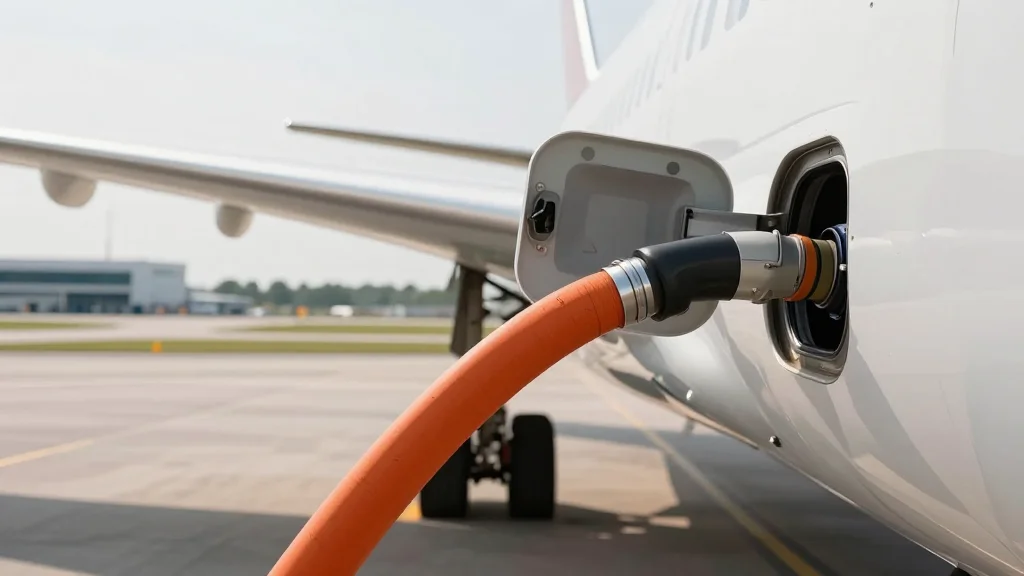
Jet Fuel Surge Raises Airline Bankruptcy, Consolidation Risks
Companies Mentioned
Why It Matters
Higher fuel costs erode airline earnings, prompting potential bankruptcies and reshaping the competitive landscape through increased M&A activity. Investors and suppliers must reassess risk exposure in a sector facing unprecedented cost volatility.
Key Takeaways
- •Jet fuel prices hit $3.30 per gallon, a 30% YoY rise.
- •U.S. carriers face $5 billion extra fuel costs this quarter.
- •Low‑cost airlines most vulnerable due to thin profit margins.
- •Industry analysts predict accelerated M&A activity to offset financial strain.
Pulse Analysis
The recent surge in jet fuel prices reflects a confluence of geopolitical tensions, refinery outages, and heightened demand as global travel rebounds post‑pandemic. With crude oil hovering near $85 per barrel, jet fuel has climbed to roughly $3.30 per gallon in the United States, a level not seen since the 2012 peak. Airlines that rely heavily on hedging contracts are insulated to some degree, but many carriers—especially those that entered the market with aggressive low‑fare models—find their cost structures rapidly outpaced by revenue growth, forcing them to reconsider route profitability and capacity planning.
Financial analysts warn that the added $5 billion in fuel expenses this quarter could push several marginal operators into insolvency. Historically, fuel cost spikes have precipitated industry shake‑outs, as seen after the 2008 crisis when legacy carriers consolidated to survive. Today, the pressure is amplified by lingering debt from pandemic‑era financing and a competitive environment where ancillary revenue streams cannot fully offset the fuel burden. Credit rating agencies are already flagging heightened default risk for carriers with weak balance sheets, prompting lenders to tighten covenants and increase scrutiny on cash‑flow projections.
In response, the industry is likely to see a surge in merger and acquisition activity. Larger airlines with robust balance sheets are positioned to acquire distressed competitors, leveraging scale to negotiate better fuel contracts and spread fixed costs across broader networks. This consolidation could reshape route maps, reduce competition on certain corridors, and potentially lead to higher fares for consumers. Stakeholders—from investors to airport authorities—should monitor deal pipelines closely, as the next wave of airline M&A may be driven as much by fuel economics as by strategic market positioning.
Jet fuel surge raises airline bankruptcy, consolidation risks
Comments
Want to join the conversation?
Loading comments...