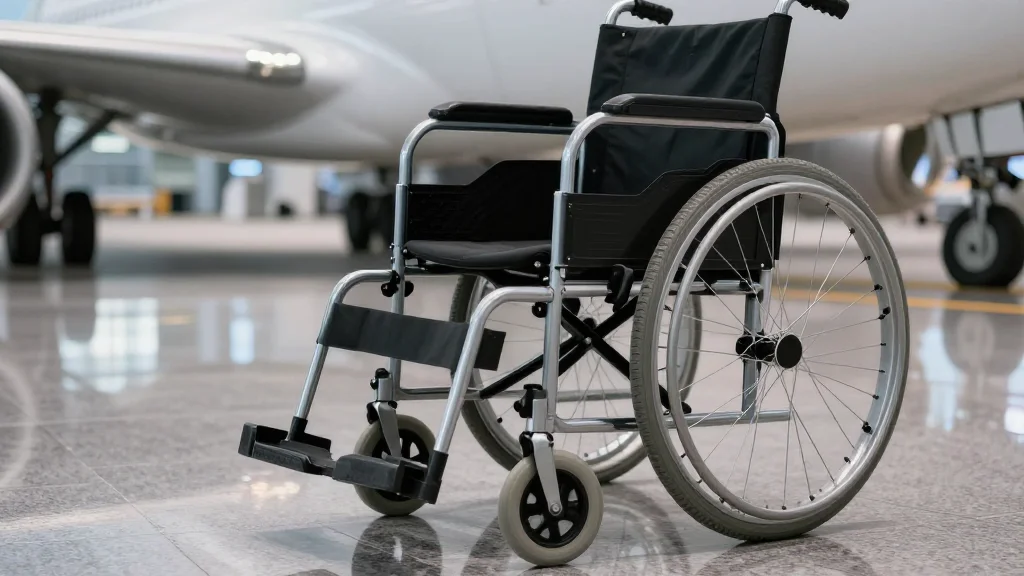
JetBlue CEO Flags Rise in Wheelchair Abuse as Travelers Skip Airport Lines

Why It Matters
The surge in fraudulent wheelchair requests threatens to erode trust in disability accommodations, a cornerstone of equitable air travel. If airlines tighten verification, passengers with legitimate needs risk facing longer waits, invasive questioning, or denial of assistance, potentially violating the ADA. Conversely, unchecked abuse inflates operational costs, reduces boarding efficiency, and may prompt airlines to limit wheelchair services altogether, harming the very community the regulations aim to protect. Beyond immediate cost and service impacts, the controversy highlights a broader societal tension: the misuse of accommodations intended for vulnerable groups. How the aviation sector resolves this will set precedents for other industries grappling with similar abuse of accessibility provisions, influencing policy, corporate practice, and public perception of disability rights.
Key Takeaways
- •JetBlue CEO Joanna Geraghty says able‑bodied travelers are requesting wheelchairs to skip lines, with some flights seeing 23‑25 wheelchair users.
- •Each fraudulent wheelchair request costs airlines $30‑$35, adding up to significant operational expenses.
- •Advocacy group All Wheels Up founder Michele Erwin notes there is no legal way to verify a passenger’s disability without violating privacy.
- •Former Frontier CEO Barry Biffle called the abuse “massive, rampant” in 2024, and a former Heathrow chief warned of TikTok‑driven fast‑tracking in 2022.
- •Regulators may issue new guidance later this year, forcing airlines to balance fraud prevention with ADA compliance.
Pulse Analysis
The “miracle flight” issue is a symptom of a deeper misalignment between regulatory intent and operational reality. The ADA was designed to guarantee equal access, not to create a loophole for line‑skipping. Yet the lack of a verification mechanism leaves airlines vulnerable to exploitation, forcing them to shoulder costs that were never budgeted. Historically, airlines have responded to similar abuse—such as the infamous “frequent‑flyer” mileage fraud of the early 2000s—by investing in data analytics and cross‑checking systems. A comparable tech‑driven approach could help flag anomalous wheelchair requests without breaching privacy, for example by correlating request patterns with passenger travel history.
Competitive dynamics also play a role. Low‑cost carriers that once relied on open‑seating to differentiate themselves may inadvertently encourage abuse, as passengers seek any edge to secure better seats. As legacy carriers tighten policies, they could gain a reputational advantage among disability advocates, but risk alienating price‑sensitive travelers who view the crackdown as punitive. The industry’s response will likely shape brand perception for years to come.
Looking ahead, the Department of Transportation’s forthcoming guidance will be pivotal. If regulators endorse a standardized verification protocol—perhaps leveraging biometric data or third‑party disability certification—it could restore balance. However, any solution must be carefully calibrated to avoid creating a chilling effect for legitimate passengers. The next few months will test whether airlines can innovate responsibly or whether the “miracle flight” phenomenon will force a broader reevaluation of how accessibility is managed across the travel ecosystem.
JetBlue CEO Flags Rise in Wheelchair Abuse as Travelers Skip Airport Lines
Comments
Want to join the conversation?
Loading comments...