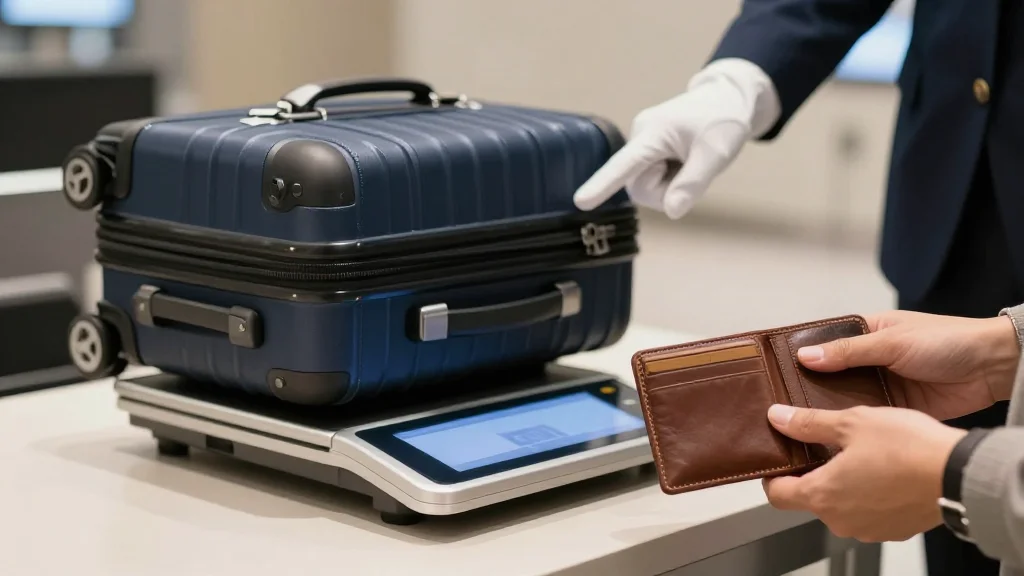
JetBlue Just Upped Bag Fees — Blame Rising Fuel Costs
Why It Matters
The fee increase boosts JetBlue’s ancillary revenue at a time when fuel costs erode profit margins, signaling airlines will lean more on baggage fees to stay competitive. Travelers will feel higher out‑of‑pocket costs, potentially influencing airline choice.
Key Takeaways
- •JetBlue raises first bag fee to $39, $49 peak
- •Second bag costs $59, $69 during peak periods
- •Early purchase saves $10 per bag versus check‑in
- •Free bags still for Mosaic members and certain credit cards
- •Fee hike attributed to soaring jet fuel costs
Pulse Analysis
The global oil market has entered a volatile phase, with Brent crude hovering above $80 per barrel after recent Middle‑East tensions. Jet fuel, which accounts for roughly 20‑30 % of an airline’s operating budget, has risen in tandem, squeezing carrier profit margins across the United States. JetBlue, the fourth‑largest U.S. carrier, responded by revising its checked baggage fees, a move that mirrors a broader industry trend of shifting cost recovery from ticket prices to ancillary services. By targeting ancillary revenue, airlines can keep base fares attractive while covering fuel‑related expenses.
Under the new schedule, a first checked bag now costs $39 when added online, climbing to $49 during peak travel days, while a second bag jumps from $59 to $69. Passengers who wait until airport check‑in are hit with an additional $10 per bag, creating a clear incentive to purchase ahead of time. The policy still protects premium customers—Mosaic members, JetBlue credit‑card holders, and certain transatlantic itineraries enjoy free checked bags—preserving loyalty benefits. Compared with legacy carriers that charge upwards of $60 for the first bag, JetBlue’s tiered pricing remains relatively competitive.
The baggage‑fee hike underscores a shifting revenue model that could reshape airline pricing strategies in the coming years. As fuel costs remain unpredictable, carriers may increasingly rely on ancillary fees—such as seat selection, Wi‑Fi, and baggage—to buffer earnings, potentially prompting regulators to scrutinize fee transparency. For travelers, the best defense is proactive planning: booking bags early, leveraging loyalty programs, and comparing total trip costs across airlines. Monitoring fuel price trends will also give consumers insight into future fee adjustments, helping them make more cost‑effective travel decisions.
JetBlue Just Upped Bag Fees — Blame Rising Fuel Costs
Comments
Want to join the conversation?
Loading comments...