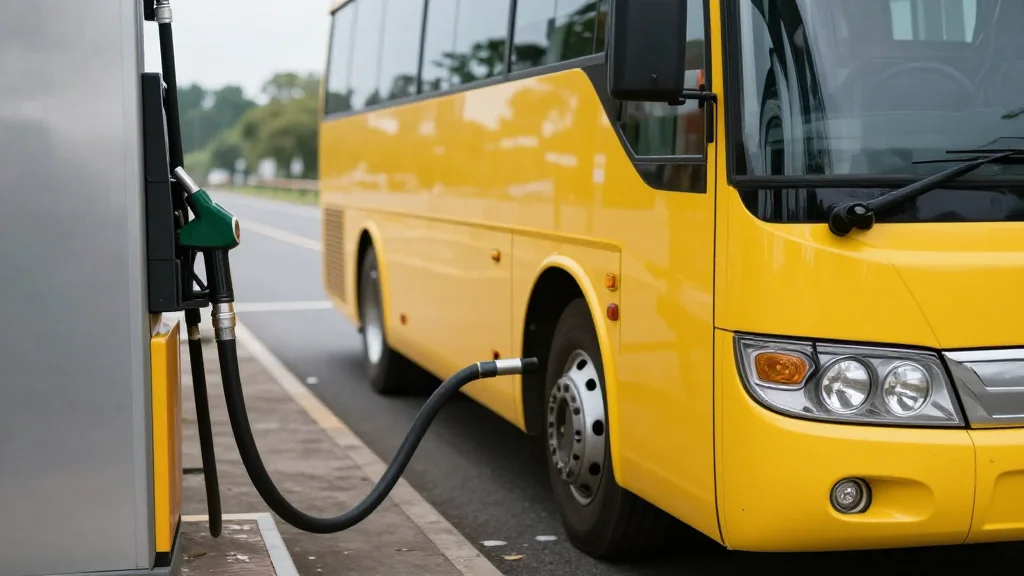
Jharkhand Bus Owners' Association Increases Fares by 18% Amid Rising Fuel Costs
Why It Matters
Higher transport costs will squeeze household budgets and could dampen regional commerce, while signaling broader pressure on Indian logistics from volatile fuel markets.
Key Takeaways
- •Bus fares up 18% as diesel crosses ₹100/L ($1.20).
- •Ranchi‑Garhwa fare now ₹470 ($5.66), up ₹70.
- •Long‑distance routes like Ranchi‑Kolkata rise to ₹590 ($7.11).
- •No fare hike since July 2021; new tolls and West Asia crisis cited.
- •Future reductions possible if diesel, tyres, parts prices fall.
Pulse Analysis
India’s transport sector is highly sensitive to fuel price swings, and Jharkhand’s recent 18% bus fare hike underscores that reality. Diesel crossing the ₹100‑per‑litre threshold (about $1.20) has eroded margins for private operators, especially after a wave of new toll plazas added fixed costs. By translating the increase into consumer terms—Ranchi‑Garhwa tickets now cost roughly $5.66 and long‑haul journeys to Kolkata $7.11—readers can gauge the immediate impact on daily commuters and regional travelers.
The fare adjustment also reflects broader macro‑economic pressures. The West Asia conflict has tightened global oil supplies, pushing crude prices upward and reverberating through India’s diesel market. As transport costs climb, businesses that rely on road freight face higher distribution expenses, potentially inflating prices for goods sold in Jharkhand’s markets. Comparatively, neighboring states that have kept diesel subsidies or introduced alternative fuel incentives have seen less aggressive fare revisions, highlighting policy levers that could mitigate the shock.
Looking ahead, the association’s conditional promise to roll back fares if diesel, tyre and spare‑part prices decline offers a modest safety valve for passengers. However, sustained volatility may prompt longer‑term strategies, such as fleet electrification or negotiated fuel contracts, to stabilize operating costs. Stakeholders—from commuters to logistics firms—should monitor fuel price trends and regional policy responses, as they will shape the cost structure of public transport and the broader economic health of Jharkhand.
Jharkhand bus owners' association increases fares by 18% amid rising fuel costs
Comments
Want to join the conversation?
Loading comments...