Kai Tak’s Transport Solution Could Be a Model for Other Hong Kong Districts
Why It Matters
By closing a critical mobility gap, the Kai Tak line will boost commercial activity and property values while demonstrating a financially sustainable, low‑carbon transit model that other Hong Kong districts can emulate.
Key Takeaways
- •3.5 km elevated line links cruise terminal to MTR station
- •Projected daily ridership of 50,000 passengers by 2031
- •Project cost HK$12 billion (~US$1.5 billion) financed by franchisee
- •Design‑build‑operate‑maintain model includes development rights for sustainability
- •Aim to become template for agile, multi‑modal transport city‑wide
Pulse Analysis
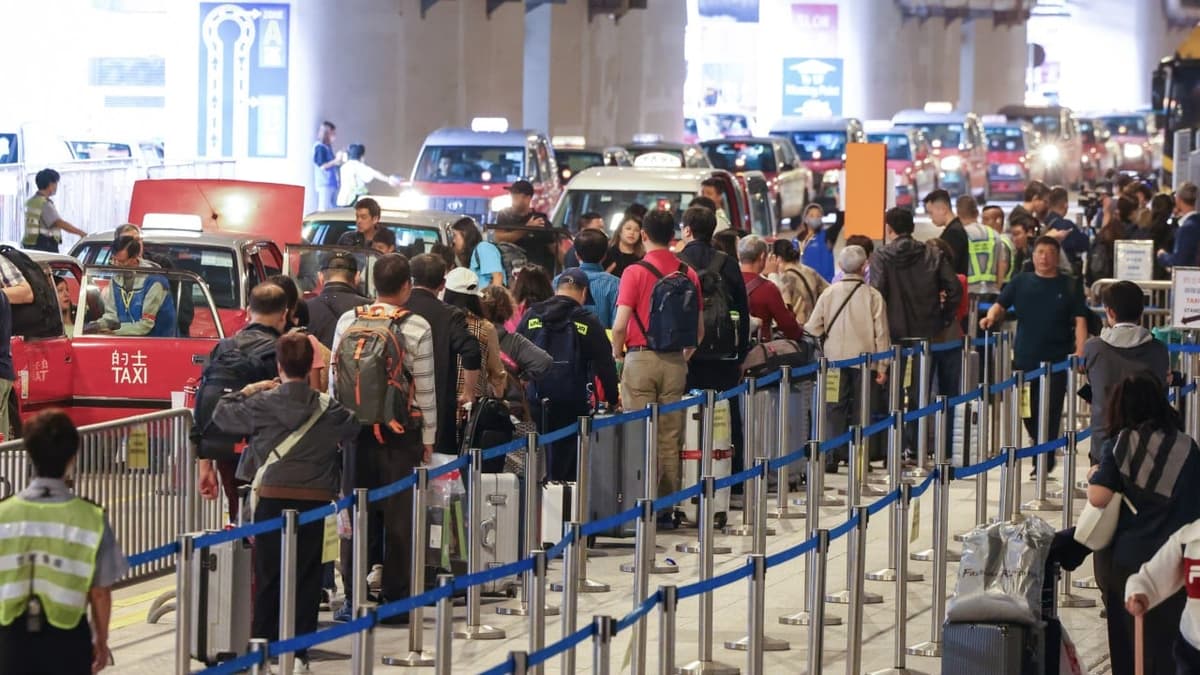
The former Kai Tak airport has been transformed into a mixed‑use hub featuring a cruise terminal, sports park and residential towers, yet its connectivity has lagged behind the rapid build‑out. Residents and visitors have relied on buses, taxis or a brisk walk to reach the nearest MTR station, creating congestion and limiting the area’s economic potential. After a 2012 monorail proposal was shelved in 2020 due to a HK$12 billion price tag and spatial constraints, the government revived the concept in Chief Executive John Lee’s 2024 policy address, opting for an elevated, electric mass‑transit system.
The approved Smart and Green Mass Transit System in Kai Tak (SGMTS‑KT) will span 3.5 km, linking the cruise terminal to the Kai Tak MTR station with four intermediate stops at Shing King Street, Sky Garden, Shing Fung Road Park and the Sports Park. A ten‑minute end‑to‑end ride is projected to serve 50,000 passengers per day by 2031. The HK$12 billion (≈US$1.5 billion) project will be built, financed, operated and maintained by a private franchisee, which will also receive development rights to offset costs and ensure long‑term financial viability.
Beyond easing local traffic, the line is positioned as a template for agile, multi‑modal transport across Hong Kong’s densely packed districts. Its design‑build‑operate‑maintain framework reduces public‑sector risk while encouraging private‑sector innovation in green mobility. If the Kai Tak system meets ridership and sustainability targets, it could accelerate similar projects in Kwun Tong, Kowloon Bay and other growth corridors, reshaping the city’s transit landscape and unlocking new real‑estate and commercial opportunities tied to improved accessibility.
Kai Tak’s transport solution could be a model for other Hong Kong districts
Comments
Want to join the conversation?
Loading comments...