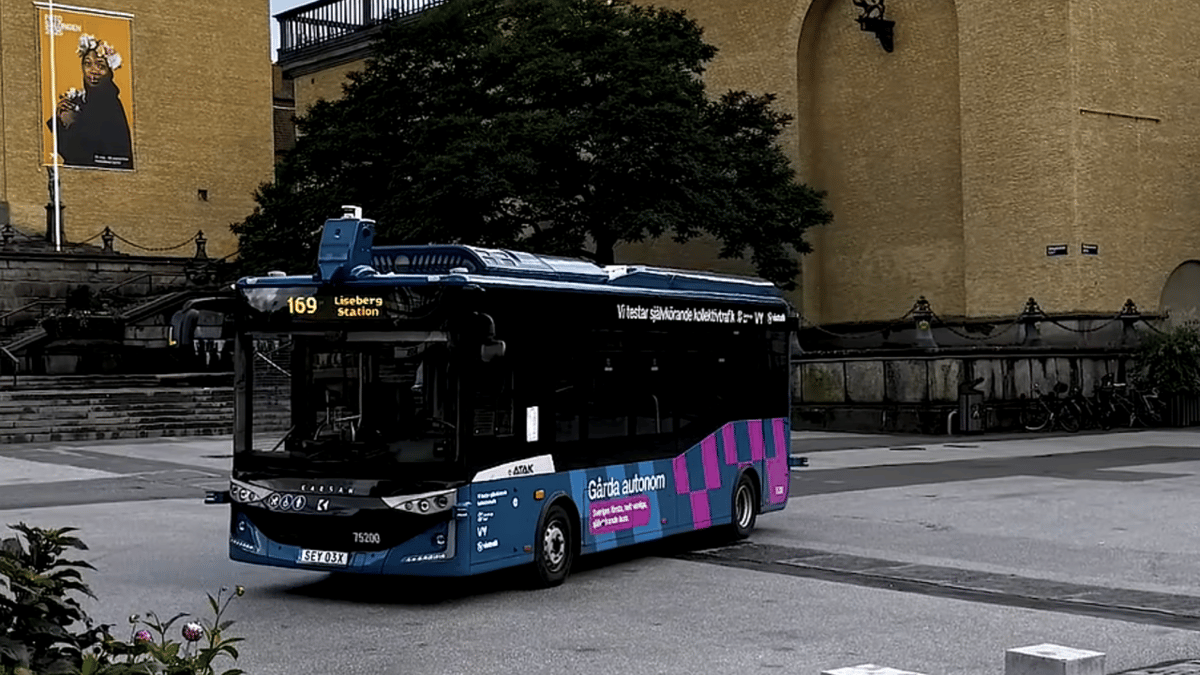
Karsan Autonomous Bus Involved in Gothenburg Tram Collision. “Incident Appears Not Related to the Autonomous Driving System,” Says Karsan
Companies Mentioned
Why It Matters
The event tests public confidence in driverless buses and could shape regulatory scrutiny of Level‑4 autonomous transit in Europe. A clear attribution to the tram, not the bus, may preserve momentum for wider autonomous‑bus deployments.
Key Takeaways
- •Karsan e-ATAK Level‑4 bus hit by tram in Gothenburg.
- •Collision occurred one hour after service began with paying passengers.
- •No injuries reported; safety driver present but not needed.
- •Karsan says autonomous system performed correctly during incident.
- •Investigation focuses on tram driver’s following distance, not bus technology.
Pulse Analysis
Sweden’s Gothenburg city has been a showcase for Karsan’s e-ATAK, the only Level‑4 autonomous bus currently available on the European market. After successful pilots in Norway, Finland, Germany and the Netherlands, the vehicle entered a year‑long public‑transport trial in Gothenburg, offering fully driverless service with a safety driver as a fallback. The e-ATAK’s advanced sensor suite and AI‑driven decision‑making have positioned it as a benchmark for urban mobility, promising reduced operating costs and greener transit.
The collision occurred during the bus’s inaugural day of revenue service, when a tram rear‑ended the vehicle despite the bus’s automatic braking. Karsan’s technical review quickly concluded that the autonomous system detected obstacles and adhered to its safety protocols, suggesting the bus behaved as intended. A safety driver was present, ready to intervene, but the incident unfolded before any manual action was required. Both Karsan and the public‑transport operator Vasttrafik emphasized that no passengers were harmed, underscoring the robustness of the vehicle’s passenger‑protection measures.
For the broader autonomous‑vehicle industry, the Gothenburg incident highlights the importance of integrating driverless buses into mixed‑traffic environments where legacy vehicles operate under traditional rules. While the fault appears to lie with the tram’s insufficient following distance, regulators will likely scrutinize the incident to ensure that autonomous systems can reliably coexist with conventional traffic. The outcome may influence future approvals, insurance frameworks, and public perception, making transparent investigations and clear communication essential for scaling driverless public transport across Europe.
Karsan autonomous bus involved in Gothenburg tram collision. “Incident appears not related to the autonomous driving system,” says Karsan
Comments
Want to join the conversation?
Loading comments...