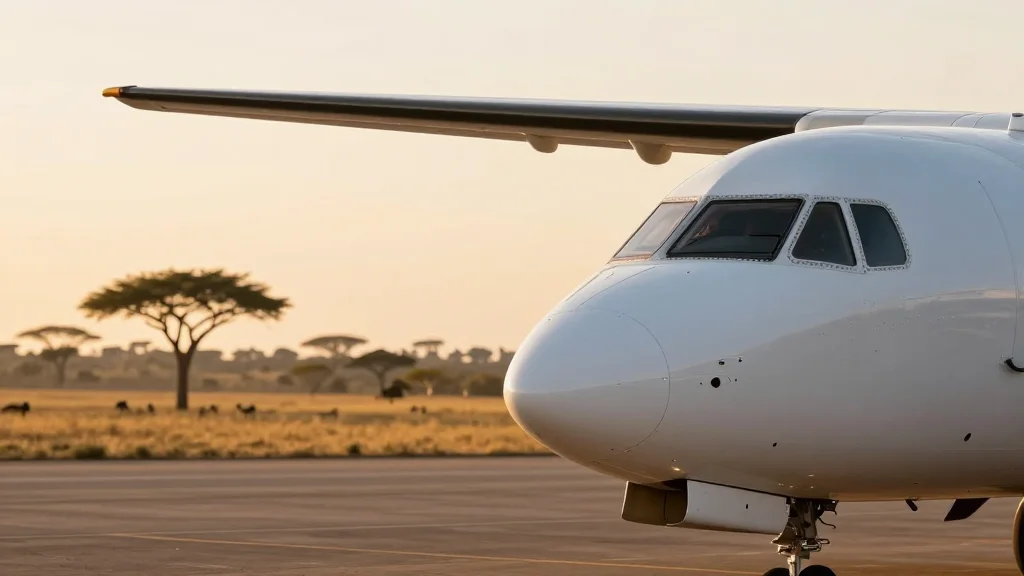
Kenya's Safarilink Grows Fleet Amid Fuel Cost Pressures
Why It Matters
Safarilink’s growth demonstrates resilience in Africa’s niche charter market, supporting tourism‑driven revenue while navigating volatile fuel costs. It also sets a benchmark for other regional operators facing similar price shocks.
Key Takeaways
- •Safarilink adds two turboprops, total fleet now eight aircraft
- •Fuel price surge prompts airline to secure lease deals early
- •Expansion targets high‑demand safari corridors, increasing flight frequency
- •Financing mix includes retained earnings and new credit line
- •Growth underscores confidence in Kenya’s post‑pandemic tourism rebound
Pulse Analysis
Kenya’s aviation sector has long relied on niche carriers to connect tourists with the country’s world‑renowned wildlife reserves. Safarilink, a specialist in short‑haul safari flights, has taken a bold step by expanding its fleet at a time when global jet fuel prices have surged past $1,200 per metric ton, a level that threatens profit margins for many regional airlines. By adding two modern turboprop aircraft, the airline not only increases capacity but also improves fuel efficiency, a critical factor as operators scramble to offset higher operating costs.
The fleet growth is underpinned by a strategic financing package that blends retained earnings with a newly negotiated credit facility. This hybrid approach allows Safarilink to lock in lease rates before further fuel price volatility and avoid the steep leasing premiums that have emerged in the market. The additional aircraft enable the carrier to raise flight frequencies on its flagship routes between Nairobi, Maasai Mara, and Amboseli, catering to a surge in tourist bookings as travel confidence rebounds after pandemic disruptions.
For the broader East African aviation landscape, Safarilink’s move signals a willingness to invest despite cost headwinds, potentially prompting competitors to reassess their own fleet strategies. The expansion supports local tourism economies, creates ancillary jobs, and reinforces Kenya’s position as a gateway for high‑value wildlife tourism. Looking ahead, the airline’s focus on fuel‑efficient turboprops may set a precedent for a gradual shift toward greener, more cost‑effective operations across the region.
Kenya's Safarilink grows fleet amid fuel cost pressures
Comments
Want to join the conversation?
Loading comments...