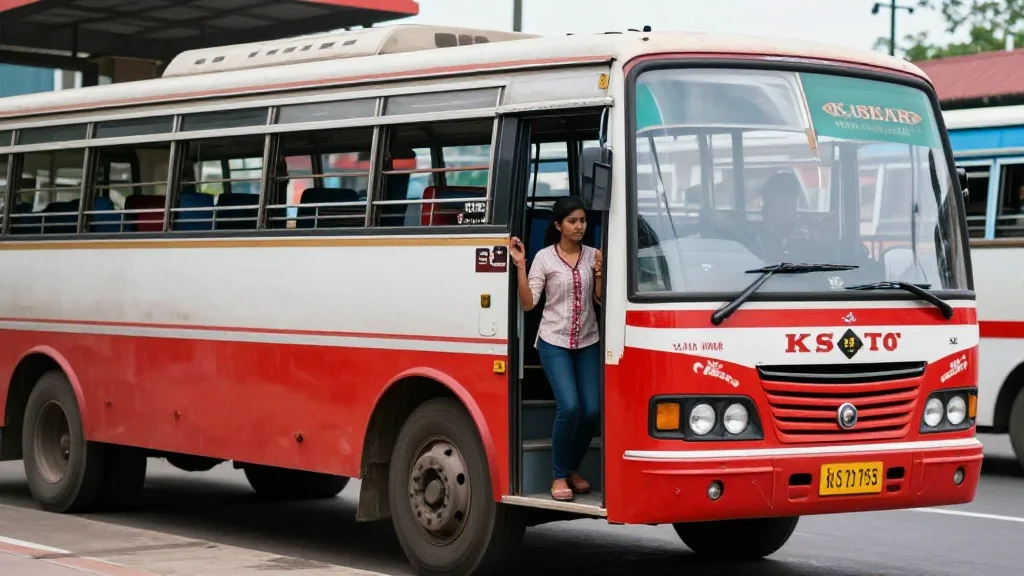
Kerala Private Bus Operators Oppose UDF’s Free Travel Plan for Women
Why It Matters
The initiative could shift commuter flows, threatening the earnings of thousands of private transport workers and challenging the fiscal balance of Kerala's public‑transport system.
Key Takeaways
- •Private bus operators fear free‑travel scheme will make them financially unviable
- •KSRTC runs 3,500 buses; private sector operates about 9,000 buses statewide
- •Women make up ~70% of daily private‑bus passengers, ~70,000 riders
- •Operators cite Karnataka example: investments of $36‑$48k reduced to $12‑$18k resale
- •Sector demands government compensation package before implementing free‑travel policy
Pulse Analysis
Kerala’s upcoming “Indira Guarantee” reflects a growing trend among Indian states to use gender‑focused fare subsidies as electoral leverage. By offering women free rides on Kerala State Road Transport Corporation (KSRTC) buses, the United Democratic Front hopes to boost public‑transport usage and signal progressive governance. However, the policy’s design overlooks the intricate network of private operators who already shoulder the bulk of commuter traffic, especially during peak hours, and who may see a sudden erosion of revenue as passengers shift to the subsidized service.
The private bus sector, which runs roughly 9,000 vehicles compared with KSRTC’s 3,500, warns that the scheme could trigger a financial crisis. Operators point to a similar free‑travel program in Karnataka, where investors who spent ₹30‑40 lakh ($36‑$48k) on buses were compelled to liquidate assets for as little as ₹10‑15 lakh ($12‑$18k). With fuel prices and operating costs already climbing, a rapid loss of fare income could push many owners out of business, jeopardizing the livelihoods of a workforce that includes drivers, conductors, and support staff.
For policymakers, the Kerala debate underscores the need for collaborative transport planning that balances social objectives with market realities. A viable approach might involve a phased rollout, targeted subsidies for private fleets, or a compensation mechanism that offsets revenue shortfalls. Engaging stakeholders early can prevent unintended disruptions, preserve employment, and ensure that the free‑travel promise enhances mobility without destabilizing the broader transport ecosystem.
Kerala private bus operators oppose UDF’s free travel plan for women
Comments
Want to join the conversation?
Loading comments...