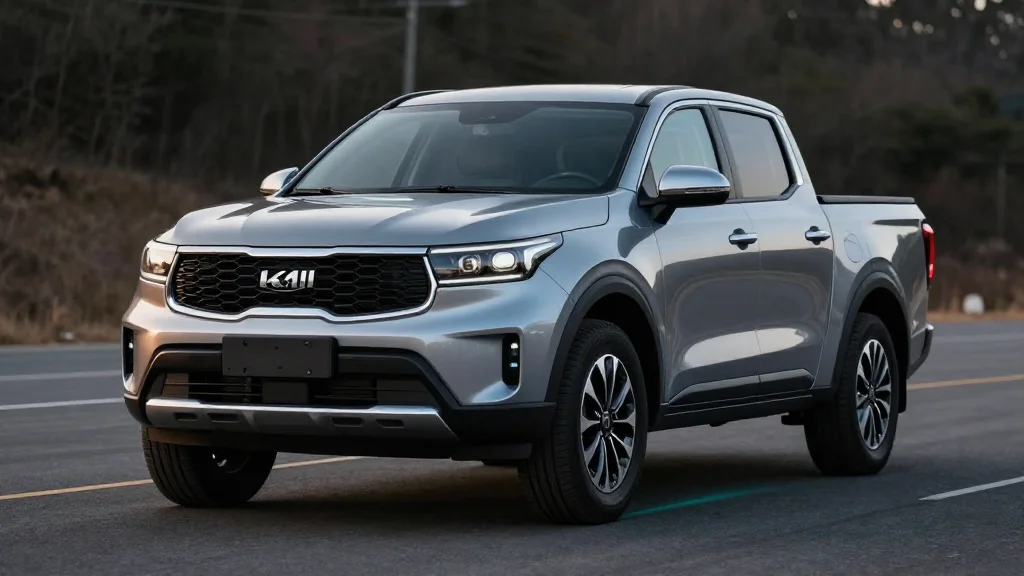
Kia Plans to Launch U.S. Pickup Truck by 2030
Why It Matters
The entry expands Kia into the lucrative U.S. pickup market, challenging entrenched players and boosting its overall U.S. market share. Success could accelerate Kia’s electrified vehicle adoption and global growth ambitions.
Key Takeaways
- •Kia targets 1.02 M U.S. sales, 6.2% share by 2030.
- •New midsize pickup will include hybrid variants, U.S.-built.
- •Expected 90,000 annual pickup sales, 7% midsize segment by 2034.
- •Moves Kia into market dominated by GM, Ford, Stellantis.
- •Supports broader electrified‑vehicle strategy and 4.13 M global sales goal.
Pulse Analysis
The U.S. full‑size pickup segment accounts for roughly 20 % of all light‑truck demand, a slice dominated by the Big Three. Kia’s decision to introduce a midsize, body‑on‑frame truck by 2030 signals a deliberate push into this high‑margin arena. By positioning the model against the Toyota Tacoma, Ford Ranger and Chevrolet Colorado, Kia aims to capture price‑sensitive buyers who prefer a smaller footprint without sacrificing capability. The projected 90,000 units per year would give the brand a foothold in a market where few non‑domestic players have succeeded.
Kia’s plan includes at least one hybrid variant built on American soil, aligning with U.S. policy incentives for low‑emission vehicles. Domestic assembly reduces tariff exposure and shortens the supply chain, enabling faster response to shifting fuel‑efficiency standards. The hybrid powertrain also serves as a bridge toward fully electric offerings, allowing Kia to test battery integration and consumer acceptance in a segment traditionally dominated by diesel and gasoline trucks. This incremental electrification strategy could improve fuel‑economy ratings, lower operating costs for fleet buyers, and enhance the brand’s sustainability narrative.
Beyond the pickup, Kia’s U.S. ambitions dovetail with its global target of 4.13 million vehicles and a 4.5 % worldwide market share by 2030. Achieving a 6.2 % U.S. share would make the North American market its second‑largest revenue source after South Korea, providing a stable platform for future electric‑SUV rollouts. Investors are likely to view the pickup as a catalyst that diversifies Kia’s product mix, mitigates reliance on compact cars, and signals confidence in the brand’s ability to compete in premium‑price segments. If the model meets its sales forecast, Kia could accelerate its climb toward the top five global automakers.
Kia plans to launch U.S. pickup truck by 2030
Comments
Want to join the conversation?
Loading comments...