Why It Matters
The modernization boosts line capacity and reliability while future‑proofing the West Coast Main Line for digital signalling, directly benefiting operators and end‑users.
Key Takeaways
- •£61 million Kingmoor resignalling completed Jan 7, 2026.
- •Siemens supplied Westlock computer‑based interlocking and LED signal heads.
- •New fiber links replace legacy copper, enhancing data reliability.
- •Removal of conditional double reds increases operational flexibility.
- •Project readies West Coast Main Line for future ETCS integration.
Pulse Analysis
The Kingmoor junction, a relic of 1960s relay‑based signalling, had become a bottleneck on the West Coast Main Line. Network Rail’s Signalling Infrastructure Condition Assessments flagged the aging assets for renewal, prompting a £61 million investment that aligns with the broader push to modernise Britain’s rail backbone. By replacing over‑six‑decades‑old interlockings with Siemens’ Westlock electronic system, the project not only extends asset life but also introduces digital diagnostics that improve maintenance efficiency.
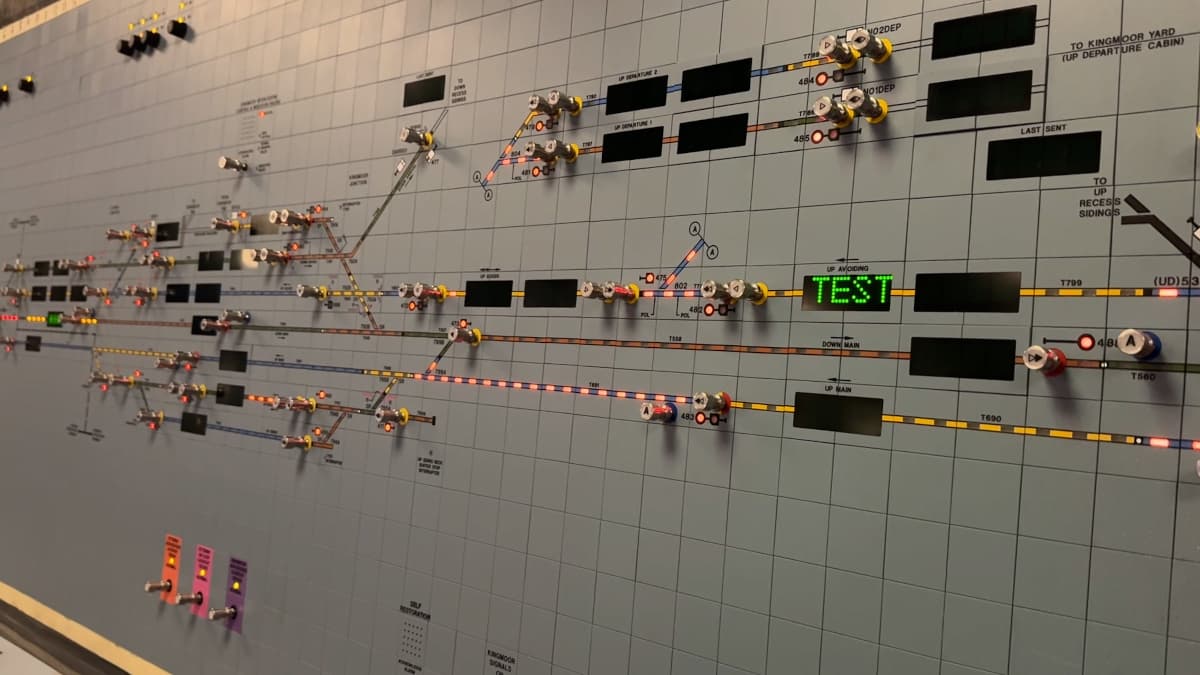
Technically, the upgrade swaps out low‑voltage track circuits and air‑powered points for modern DC circuits, clamp‑lock points, and lightweight LED signals mounted on folding structures. Dedicated fibre‑optic links replace legacy copper, delivering higher bandwidth and redundancy via FTNx diversity. The new Westcad SPAD monitor at Carlisle PSB provides real‑time detection of signals passed at danger, while the integration of the Kingmoor Interlocking Management System with the SMART platform enables richer S‑Class messaging for train status, point positions and level‑crossing operations. Operationally, removing conditional double‑red controls and granting Carlisle signallers full authority over the Kingmoor Up Avoiding Line streamlines train movements and reduces headway constraints.
Strategically, the Kingmoor resignalling is a stepping stone toward full ETCS implementation on the West Coast corridor, a key objective for Network Rail’s digital transformation agenda. Enhanced reliability and capacity support growing passenger demand and freight volumes, especially as the UK seeks to shift more traffic onto rail for sustainability goals. The project also showcases the collaborative model between Network Rail and technology providers like Siemens, setting a template for future upgrades across the network, including the planned Gretna Junction interlocking renewal slated for 2027.
Kingmoor resignalling
Comments
Want to join the conversation?
Loading comments...