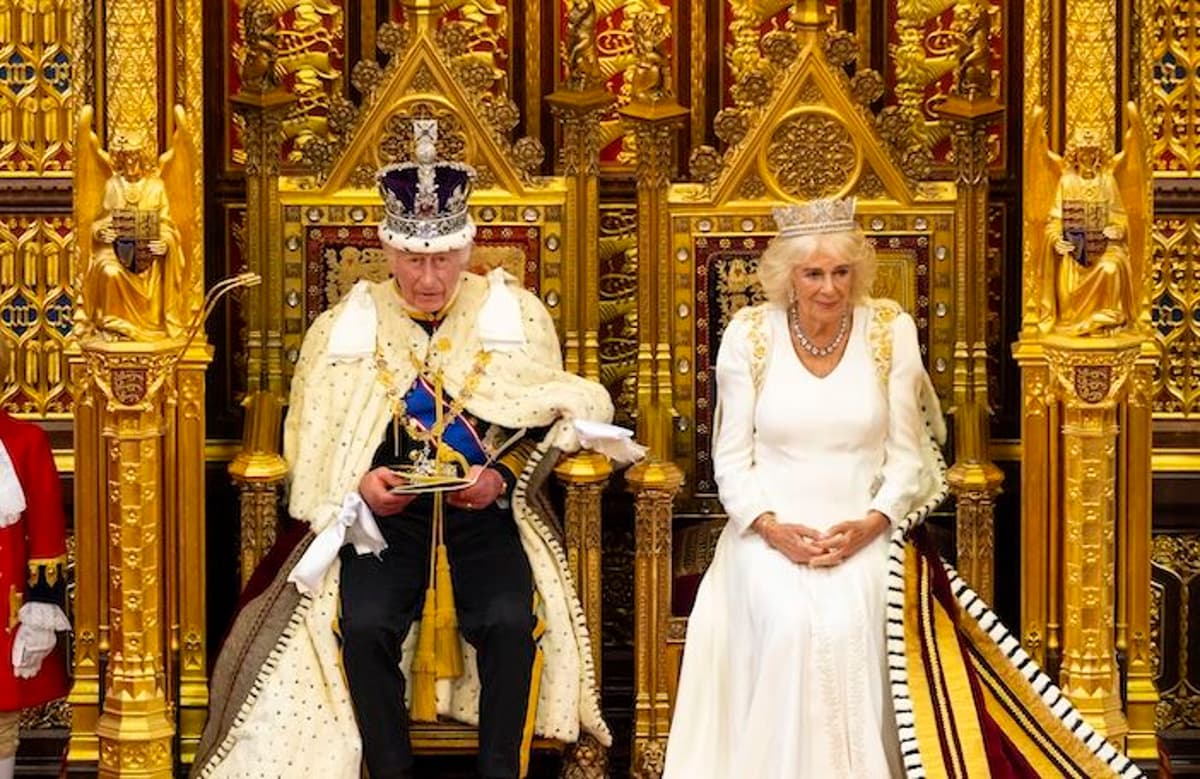
King’s Speech Sets Out UK Transport Legislation Agenda for New Parliamentary Session
Why It Matters
The package unlocks billions for critical UK transport infrastructure while reshaping the regulatory landscape for emerging mobility, directly affecting investors, operators and commuters.
Key Takeaways
- •37 transport‑related bills introduced in the King’s Speech.
- •RAB model applied to £10bn Lower Thames Crossing, private‑sector funded.
- •Northern Powerhouse Rail and Great British Railways legislation progress.
- •ITS UK flags missing road‑safety and e‑scooter legal framework.
- •New Taxi & Private Hire Bill creates national licensed‑vehicle database.
Pulse Analysis
The 2026 King’s Speech marks a decisive shift in the United Kingdom’s transport policy, bundling 37 bills that span high‑speed rail, road infrastructure, and passenger‑rights reforms. By foregrounding projects such as Northern Powerhouse Rail and the establishment of Great British Railways, the government signals a long‑term commitment to modernising the nation’s mobility backbone. These initiatives dovetail with broader economic goals, aiming to boost regional connectivity, reduce congestion, and attract private capital to traditionally taxpayer‑funded schemes.
A standout element is the Highways (Financing) Bill, which introduces a regulated‑asset‑base (RAB) financing model to the £10 billion Lower Thames Crossing—a twin‑tunnel link between Essex and Kent. The RAB approach, previously reserved for mega‑projects like the Thames Tideway Tunnel and Sizewell C nuclear plant, will allow private firms to bid for construction and operation licences, with an independent regulator overseeing toll structures. By shifting cost recovery to road users rather than the public purse, the scheme promises faster delivery, risk‑sharing, and a template for future road projects across the UK.
Industry bodies such as Intelligent Transport Systems UK have praised the tech‑forward elements, yet they highlight notable gaps. The absence of a concrete road‑safety strategy and a long‑term e‑scooter framework leaves a regulatory vacuum for rapidly growing micro‑mobility services. Meanwhile, the draft Taxi and Private Hire Vehicle Bill and the new Civil Aviation Bill aim to tighten licensing, data sharing, and passenger protection, reflecting post‑pandemic consumer expectations. Together, these measures illustrate a holistic, albeit imperfect, attempt to align infrastructure investment with emerging transport technologies and evolving public safety standards.
King’s Speech sets out UK transport legislation agenda for new parliamentary session
Comments
Want to join the conversation?
Loading comments...