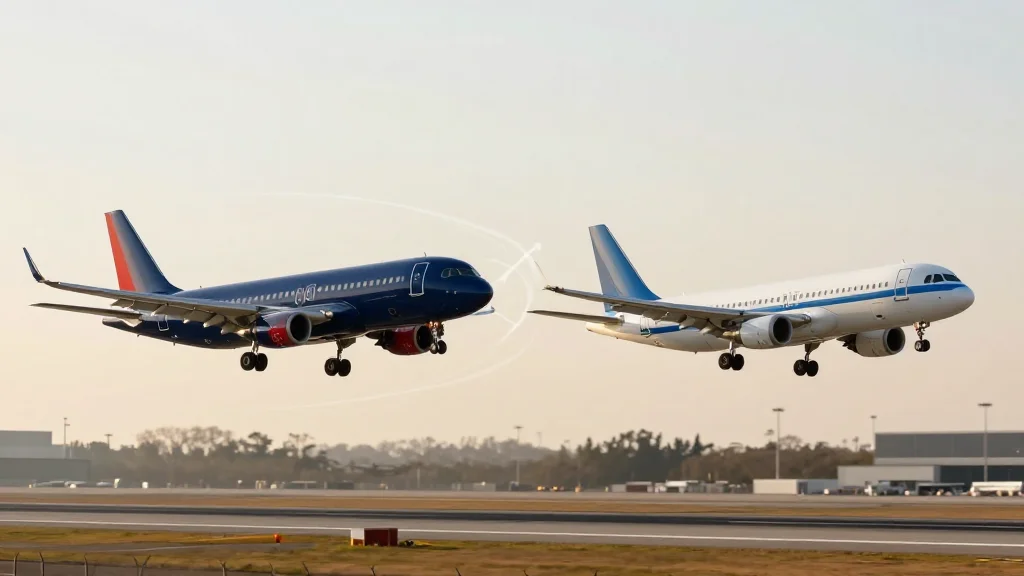
Kirby Is Crazy… Like A Fox
Companies Mentioned
Why It Matters
A United‑American merger would dramatically reshape the competitive landscape, while the underlying strategic maneuvering could affect valuations and regulatory outlook for multiple carriers.
Key Takeaways
- •United CEO publicly floated United‑American merger despite no response
- •American Airlines dismissed the idea, calling it a non‑starter
- •Analysts suspect Kirby may be leveraging talks to target JetBlue
- •Potential merger would reshape U.S. airline competition and regulatory scrutiny
Pulse Analysis
United’s sudden public push for a merger with American Airlines marks a rare, high‑profile flirtation with consolidation in an industry still reeling from pandemic‑era volatility. Kirby’s pitch emphasizes scale, customer experience, and global competitiveness, positioning the combined entity as a potential challenger to European and Asian giants. While United’s balance sheet remains robust, American’s recent profit slump and declining share price have left it vulnerable to activist pressure, making the outright rejection a strategic move to preserve bargaining power.
Beyond the headline, many analysts view Kirby’s maneuver as a calculated signal to JetBlue, whose coveted JFK slots and premium‑leaning customer base could complement United’s long‑haul network. A United‑JetBlue tie‑up would streamline fleet integration, unlock cross‑loyalty benefits, and provide United with a foothold in the Northeast market it previously ceded. Moreover, the combined entity could leverage United’s extensive international routes to accelerate JetBlue’s global ambitions, creating a hybrid carrier with both high‑yield and leisure segments.
For investors, the unfolding drama introduces both risk and opportunity. A genuine United‑American merger would trigger intense antitrust review, potentially delaying value creation and unsettling stock performance. Conversely, a strategic pivot toward JetBlue could spark a wave of shareholder proposals, driving up activism and prompting boardroom realignments. Market participants should monitor regulatory filings, earnings guidance, and any shift in loyalty program partnerships, as these signals will shape the next phase of U.S. airline consolidation.
Kirby Is Crazy… Like A Fox
Comments
Want to join the conversation?
Loading comments...