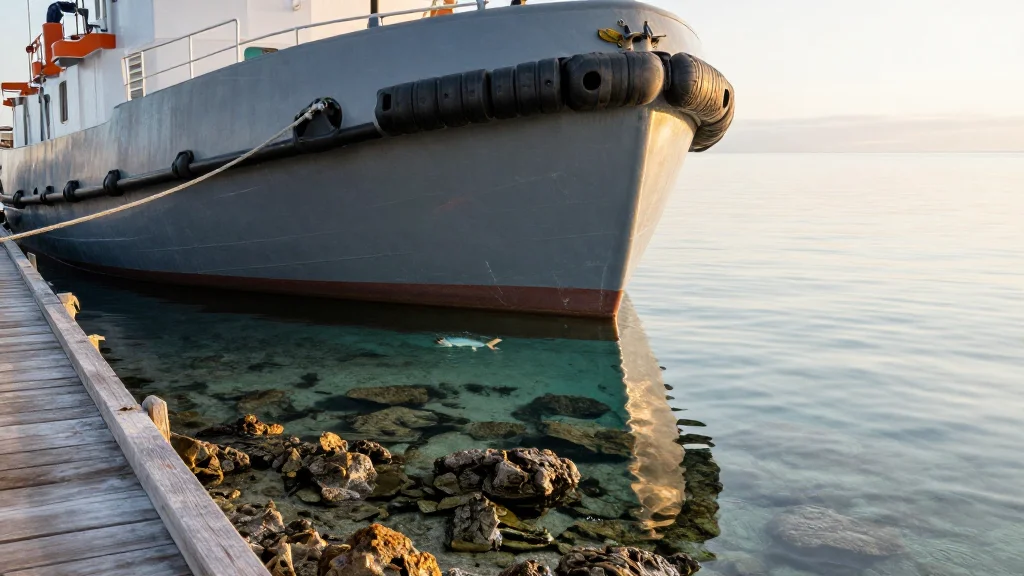
Kirby Settles Tug Grounding Spill Dispute with Canadian Nation for $12m
Why It Matters
The settlement underscores growing legal and reputational risks for shipping firms operating near Indigenous territories, and it signals tighter scrutiny of environmental liability in North‑American waters.
Key Takeaways
- •Settlement resolves $12 million claim from 2016 tug grounding.
- •Heiltsuk Nation's traditional activities were disrupted by the spill.
- •Kirby Corp faces heightened scrutiny over maritime safety practices.
- •Case highlights growing legal pressure on operators for indigenous compensation.
- •Settlement may influence future U.S.-Canada maritime dispute resolutions.
Pulse Analysis
The 2016 grounding of Kirby Corp's tug Nathan E Stewart on Edge Reef sparked a cascade of ecological damage that reverberated through the Heiltsuk Nation's coastal ecosystem. The spill contaminated critical salmon spawning sites and disrupted the tribe's subsistence fishing, a cornerstone of their cultural identity. By quantifying the settlement at $12 million, both parties acknowledge the tangible costs of environmental harm while leaving broader grievances with the Canadian state unresolved.
From a legal perspective, the agreement illustrates how Indigenous groups are leveraging environmental statutes and international norms to hold commercial operators accountable. The case dovetails with recent Canadian court decisions that recognize Indigenous title and the duty to consult, creating a template for future claims against maritime carriers. For Kirby Corp, the settlement may mitigate immediate litigation exposure but also raises the bar for corporate due diligence, prompting insurers and regulators to reassess risk models for vessels operating in ecologically sensitive zones.
Industry observers see the resolution as a bellwether for North‑American shipping practices. Companies are likely to invest in enhanced navigation technologies, crew training, and contingency planning to avoid costly groundings. Moreover, the settlement could influence bilateral negotiations between the United States and Canada on cross‑border maritime safety standards, encouraging more collaborative enforcement mechanisms. As environmental stewardship becomes a competitive differentiator, firms that proactively engage with Indigenous stakeholders may secure both regulatory goodwill and market advantage.
Kirby settles tug grounding spill dispute with Canadian Nation for $12m
Comments
Want to join the conversation?
Loading comments...