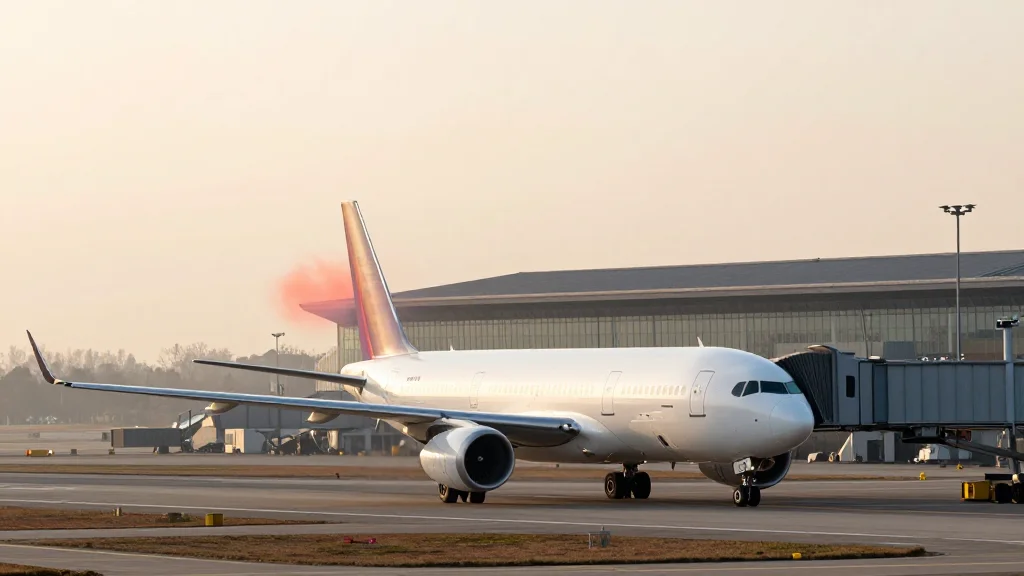
Kuwait Suspends Air Traffic After Drone Hits Airport
Why It Matters
The suspension disrupts a key Gulf hub, slashing jet‑fuel consumption and highlighting the vulnerability of civilian aviation to state‑linked drone attacks, which could reshape regional air‑traffic strategies.
Key Takeaways
- •Kuwait halts all flights after Iranian drones strike airport terminal.
- •US forces down multiple drones; no US casualties reported.
- •Jet‑fuel demand plummets to 1,000 b/d, far below 2025 average.
- •Jazeera Airways repositioning aircraft to Saudi Arabia amid closure.
- •Airport remains closed until at least 14:00 GMT on June 4.
Pulse Analysis
The latest Iranian drone strike on Kuwait International Airport underscores how quickly the Middle East’s aerial battlefield can spill over into civilian infrastructure. Late on June 3, a swarm of unmanned aerial systems hit Terminal One, igniting fires at fuel depots and prompting the Kuwait Civil Aviation Authority to suspend all operations. While U.S. Central Command reported that its defenses intercepted several drones aimed at American forces, the airport itself suffered structural damage and casualties. The incident comes just two days after Kuwait reopened its airspace, making the disruption especially abrupt.
The shutdown has immediate ramifications for the region’s energy logistics. Kuwait’s jet‑fuel consumption, which averaged roughly 19,000 barrels per day in 2025, collapsed to an estimated 1,000 barrels per day in March, according to JODI data, reflecting the sharp dip in aircraft movements. Low‑cost carrier Jazeera Airways cancelled all flights and began repositioning its fleet to Saudi Arabia, a move that will strain neighboring airports but also provide a short‑term boost to Saudi fuel sales. Airlines operating in the Gulf will need to reassess routing and fuel hedging strategies amid such volatility.
Beyond the commercial fallout, the attack highlights the growing challenge of protecting civilian air corridors from state‑sponsored drone campaigns. Kuwait, the last Gulf nation to lift its airspace ban after the February 28 war onset, now faces pressure to reinforce its air‑defense network and coordinate more closely with U.S. and coalition partners. Analysts expect tighter security protocols and possible temporary flight restrictions across the region, which could delay the full recovery of passenger traffic and keep jet‑fuel demand suppressed for months.
Kuwait suspends air traffic after drone hits airport
Comments
Want to join the conversation?
Loading comments...