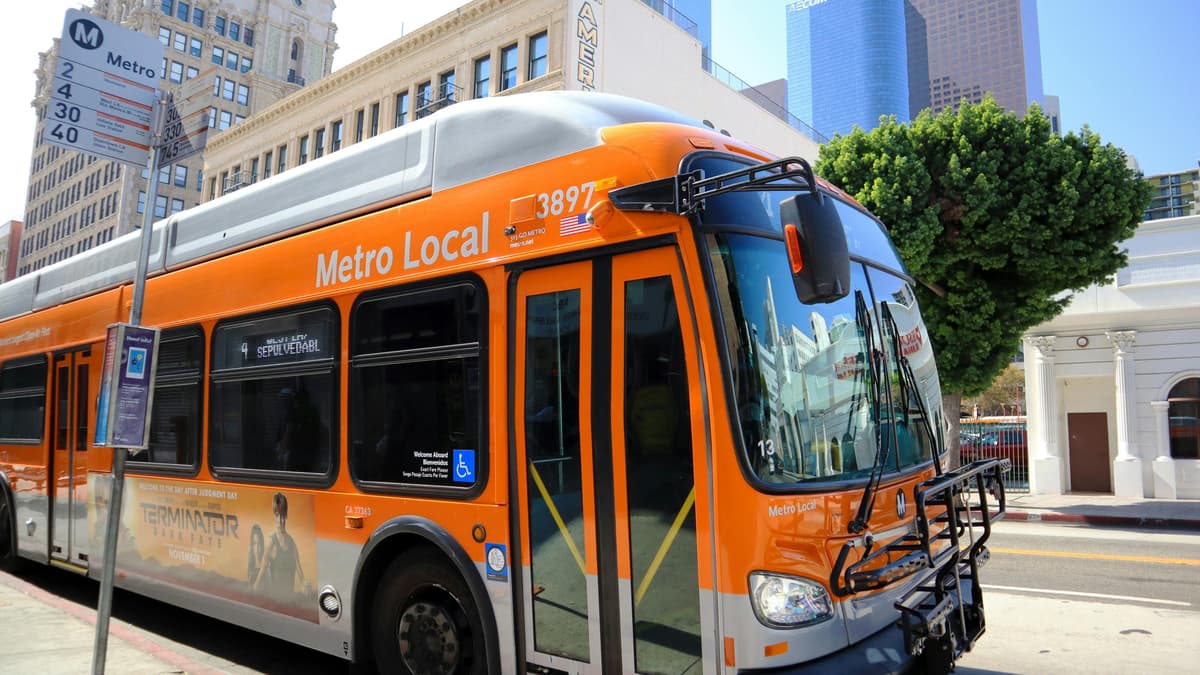
L.A. Metro to Expand Parking Locations for FIFA World Cup
Why It Matters
The expanded parking and transit network eases congestion, improves fan mobility, and showcases a scalable model for large‑scale event transportation in a major U.S. market.
Key Takeaways
- •L.A. Metro adds parking in five cities plus LAX for World Cup.
- •Early‑bird parking rates range $55‑$95, includes round‑trip bus service.
- •Over ten transit partners provide expanded park‑and‑ride options.
- •Accessible parking and paratransit services added for disabled fans.
- •Security presence coordinated with LAPD, sheriff, and federal agencies.
Pulse Analysis
The 2026 FIFA World Cup will thrust Southern California into the global spotlight, and L.A. Metro’s proactive parking expansion is a cornerstone of the region’s mobility strategy. By situating park‑and‑ride lots in key suburbs—Anaheim, Culver City, Newport Beach, Santa Monica, Torrance, and near LAX—the agency reduces the likelihood of traffic snarls around stadium venues. Early‑bird pricing, ranging from $55 to $95, incentivizes fans to reserve spots well ahead of match day, guaranteeing a seamless transition from car to bus and ultimately to the stadium. This approach aligns with broader trends in event logistics, where integrated multimodal solutions are prized for their efficiency and environmental benefits.
Beyond basic parking, L.A. Metro is prioritizing inclusivity through additional accessible spaces and a partnership with Access Services for paratransit riders. The collaboration with more than ten regional transit operators—such as Big Blue Bus, Foothill Transit, and Orange County Transportation Authority—creates a dense web of shuttle routes that can ferry spectators up to three hours before kickoff and continue service well after games conclude. These layered services not only enhance the fan experience but also generate incremental revenue for transit agencies, reinforcing the financial viability of expanded public‑transport offerings during high‑demand periods.
The security framework underscores the event’s scale, featuring coordinated deployment of Metro Transit Security, LAPD, and sheriff personnel. This comprehensive safety net reassures attendees and sets a precedent for future large‑scale gatherings. Moreover, the infrastructure investments and partnership model could become a lasting template for sustainable urban mobility, positioning Los Angeles as a leader in orchestrating complex, crowd‑centric transportation ecosystems.
L.A. Metro to expand parking locations for FIFA World Cup
Comments
Want to join the conversation?
Loading comments...