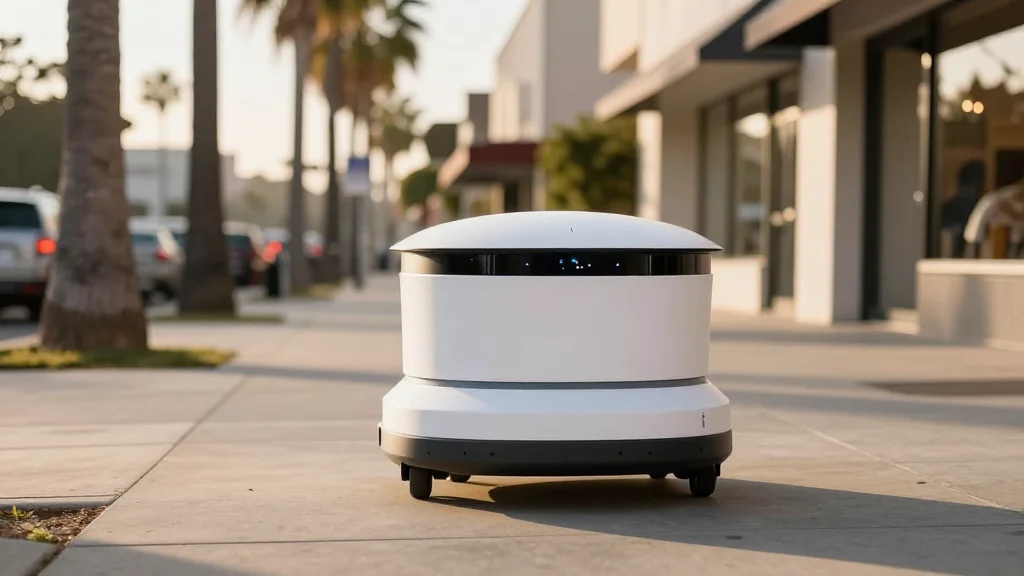
L.A. Neighborhoods See Influx of 500 Delivery Bots
Companies Mentioned
Why It Matters
The deployment proves autonomous delivery can scale in dense urban markets, potentially lowering logistics costs and reshaping last‑mile fulfillment, while also surfacing policy challenges that could shape industry growth.
Key Takeaways
- •Serve Robotics deployed 500 bots in 40 Los Angeles neighborhoods
- •Gen‑3 bots feature Nvidia chips, five‑times previous processing power
- •Company operates Level 4 autonomous fleet across six U.S. metros
- •Glendale imposed a moratorium, highlighting regulatory challenges
- •Serve projects $26 million revenue in 2026 despite no profit yet
Pulse Analysis
Los Angeles, the nation’s second‑largest food‑delivery market, has become a proving ground for autonomous sidewalk robots. Serve Robotics, a spin‑out of Uber’s Postmates, accelerated from two test neighborhoods in 2023 to 40 by mid‑2026, deploying over 500 units. The rapid rollout reflects both the city’s car‑dependent culture and a regulatory environment that initially welcomed the technology, allowing Serve to showcase how autonomous bots can alleviate congestion and reduce delivery costs for the 3,500 partnered restaurants on platforms like Uber Eats and DoorDash.
The technological leap comes from Serve’s Gen‑3 platform, which integrates Nvidia AI chips delivering five times the processing capability of its predecessor. This boost enables the bots to recognize a broader array of obstacles—bus shelters, vegetation, and dynamic pedestrian traffic—while maintaining Level 4 autonomy, meaning they operate independently except when a remote pilot intervenes. Safety features such as proximity‑based speed reduction, audible alerts, and 360‑degree lighting aim to improve public acceptance. Financially, the company projects $26 million in 2026 revenue, buoyed by a recent acquisition of 100 hospital‑assistant robots, even as it remains unprofitable.
However, the expansion is not without friction. Glendale’s recent moratorium and Chicago’s outright ban illustrate the patchwork of municipal regulations that can stall deployment. Cities are concerned about sidewalk congestion, accessibility, and liability, prompting Serve to share operational data and engage officials proactively. As more than 20 states pass legislation permitting sidewalk robots, the industry’s growth will hinge on harmonizing technology benefits with local policy frameworks, a balance that will dictate the pace of nationwide—and eventually international—adoption.
L.A. neighborhoods see influx of 500 delivery bots
Comments
Want to join the conversation?
Loading comments...