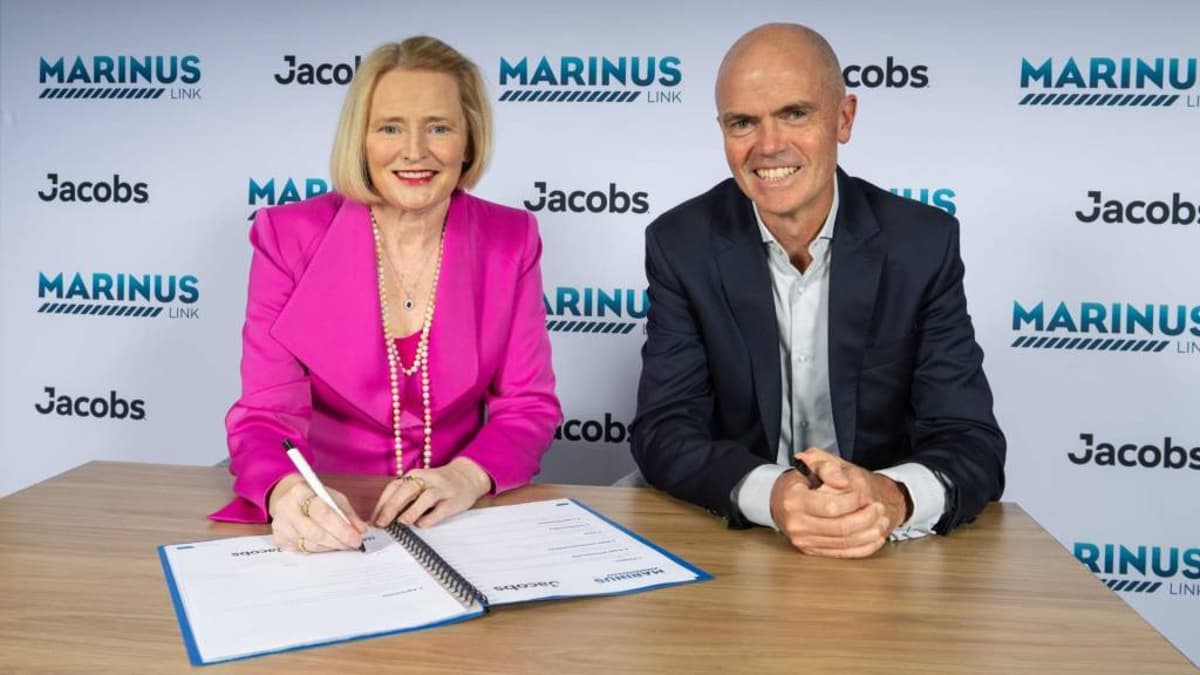
Leadership to Oversee Inland Rail’s Change of Track
Why It Matters
Truncating Inland Rail reshapes Australia’s freight network, raising costs and delaying a key catalyst for inter‑state logistics efficiency.
Key Takeaways
- •Project cost now about $30 billion USD, up $10 billion from 2023 estimate
- •Completion pushed to at least 2036, delaying economic benefits
- •New alignment ends at Parkes, cutting northern leg by over 50%
- •Burke and Sweeney tasked with steering the re‑scaled project
Pulse Analysis
Inland Rail was conceived as a 1,600‑kilometre freight corridor linking Melbourne and Brisbane, promising to shift billions of tonnes of cargo from road to rail. Proponents argued it would reduce transport costs, lower emissions, and unlock growth for regional hubs along the route. The project’s strategic relevance has attracted both federal and state funding, positioning it as a cornerstone of Australia’s broader logistics modernization agenda.
A decisive policy shift in May 2026 saw the government abandon the northern segment, capping the line at Parkes, New South Wales. ACIL Allen’s latest modelling raised the total outlay to roughly $45 billion AUD (about $30 billion USD), a stark increase from the $31 billion AUD forecast two years earlier. The revised timetable now targets a 2036 operational debut, eroding the earlier promise of near‑term capacity relief for ports and manufacturers. Leadership changes, with Collete Burke and Sean Sweeney at the helm, signal an effort to re‑align stakeholder expectations and manage the scaled‑down scope.
The truncation carries mixed implications. While the shortened corridor may still deliver efficiency gains for Victorian and western New South Wales producers, the loss of the northern leg curtails connectivity to Queensland’s export terminals, potentially diverting freight back onto congested highways. Regional economies that anticipated rail‑linked growth now face uncertainty, prompting calls for alternative investments such as upgraded road corridors or private rail initiatives. The leadership team’s challenge will be to extract maximum value from the reduced network, mitigate cost overruns, and keep the broader vision of an integrated national freight system alive.
Leadership to oversee inland rail’s change of track
Comments
Want to join the conversation?
Loading comments...