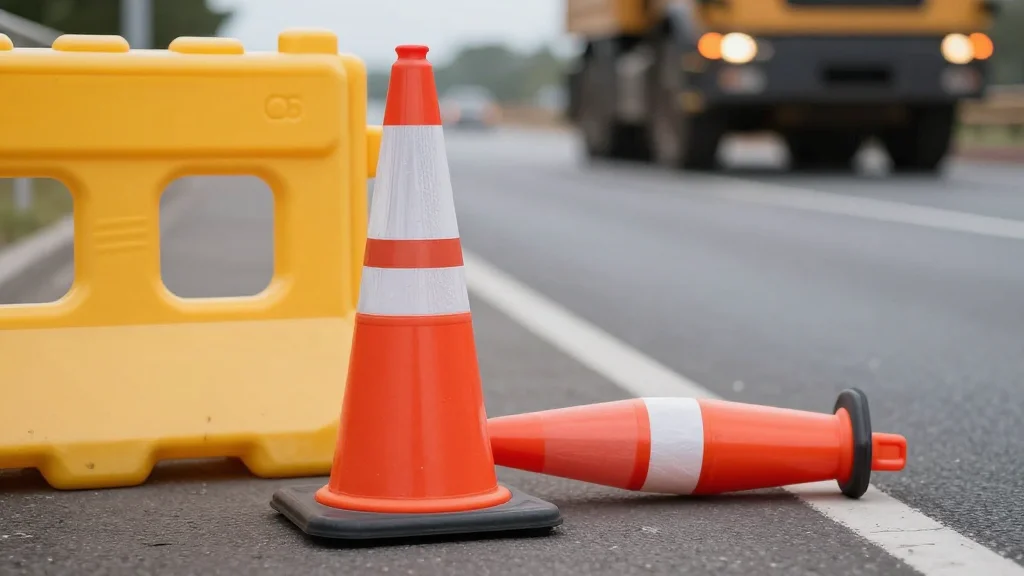
Let’s Take Action to Make US Road Work Zones Safer
Why It Matters
Reducing work‑zone crashes will save lives, lower insurance costs, and improve overall transportation efficiency, directly benefiting the economy and public safety.
Key Takeaways
- •Work‑zone crash every five minutes, 100 injuries daily, 17 deaths weekly
- •Drivers and passengers cause ~80% of work‑zone fatalities
- •2024 survey: 60% of contractors experienced work‑zone collisions
- •Work Zone Safety Contingency Fund underused by most states
- •Surface‑transport reauthorization presents bipartisan opportunity for safety reforms
Pulse Analysis
America’s 4 million‑mile road network underpins the nation’s economy, yet a work‑zone crash occurs roughly every five minutes, injuring more than 100 people daily and claiming about 17 lives each week. Drivers and passengers are responsible for roughly 80 % of those fatalities, highlighting a preventable risk that extends beyond construction crews to every motorist. The human cost translates into lost productivity, higher insurance premiums, and strained emergency services, making work‑zone safety a critical component of overall transportation efficiency.
The 2021 Infrastructure Investment and Jobs Act created the Work Zone Safety Contingency Fund, earmarking federal dollars for state‑level safety measures such as enhanced signage, lighting, and law‑enforcement presence. Despite the fund’s availability in all 50 states, adoption remains low, a gap underscored by the 2024 contractor survey showing three‑in‑five firms experienced a crash in their zones. Industry groups, led by the National Work Zone Safety Coalition, have leveraged National Work Zone Awareness Week to push legislators for stronger standards, while recent congressional hearings have amplified calls for actionable reforms.
As Congress prepares the surface‑transport reauthorization for 2026, lawmakers have a narrow window to embed proven interventions into law. Proposals such as the Preventing Roadside and Work Zone Deaths Act, expanded funding for the contingency pool, and mandates for modern traffic‑control technologies could cut crashes dramatically. Bipartisan support is feasible because the measures align with public safety, reduce long‑term infrastructure costs, and protect the workforce that builds the nation’s highways. Immediate legislative action, coupled with rigorous state implementation, can transform the current rhetoric into measurable reductions in injuries and deaths.
Let’s take action to make US road work zones safer
Comments
Want to join the conversation?
Loading comments...