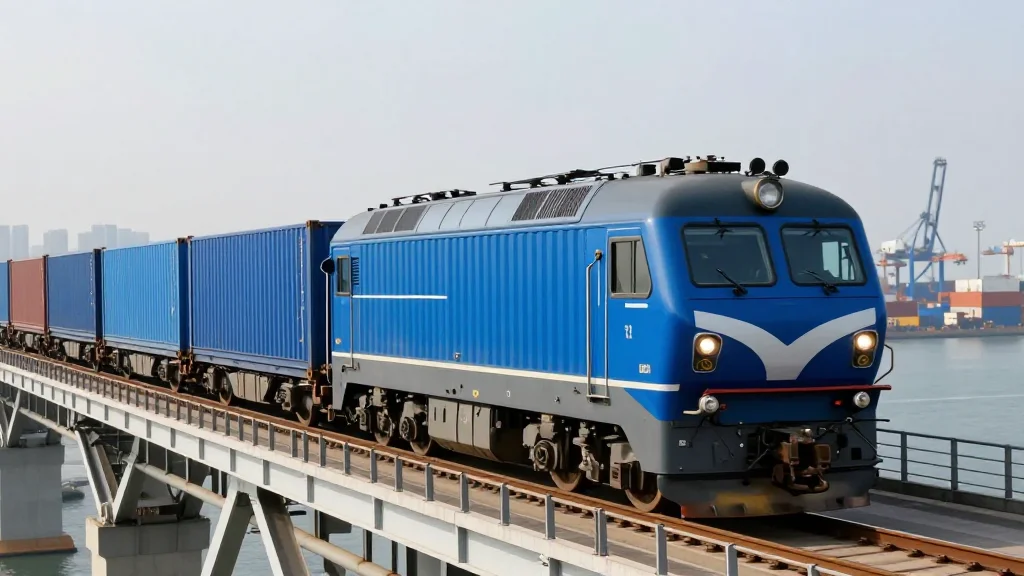
Liaoning Green Smart Public Transport Demonstration Project
Why It Matters
The deal accelerates China’s push toward low‑carbon, data‑driven urban mobility, showcasing scalable technology for other cities. It also signals strong market demand for integrated smart‑transport solutions, attracting domestic tech firms.
Key Takeaways
- •Hisense TransTech won contract for 504 smart transport devices
- •Contract worth CNY 12.44 M (~$1.74 M) for Yingkou group
- •Other bidders offered up to CNY 18.79 M (~$2.63 M)
- •Project aims to modernize public transport with smart dispatch center
- •Procurement used NCT1S2E method, emphasizing technical and financial scores
Pulse Analysis
China’s municipal governments are racing to embed digital intelligence into public‑transport fleets, a trend driven by tighter emissions targets and rising rider expectations. Liaoning’s green smart transport demonstration aligns with national policies that encourage real‑time vehicle monitoring, route optimisation, and energy‑efficient operations. By piloting a fully integrated system in Yingkou, the province hopes to create a replicable model that can be rolled out across other mid‑size cities, reducing fuel consumption and improving service reliability.
The awarded contract to Qingdao Hisense TransTech, a subsidiary of the Hisense conglomerate, underscores the growing role of established electronics manufacturers in the mobility sector. Hisense will supply 504 on‑board end devices that communicate with a central dispatch command centre, enabling dynamic scheduling and predictive maintenance. The inclusion of a modular machine‑room upgrade ensures the infrastructure can scale as data volumes increase. At roughly $1.74 million, the contract is modest compared with larger smart‑city projects, yet its focused scope provides a clear testbed for technology integration and cost‑effectiveness.
For the broader industry, the tender illustrates how Chinese procurement frameworks like NCT1S2E are rewarding firms that balance technical merit with competitive pricing. The spread of bids—from $1.74 million to $2.63 million—highlights a healthy competitive landscape among domestic tech providers. International observers can view this project as a bellwether for future demand in smart‑transport hardware and software, especially as cities worldwide seek to modernise legacy fleets. Companies that can deliver interoperable, low‑cost solutions stand to capture significant market share as China’s smart‑mobility agenda expands.
Liaoning Green Smart Public Transport Demonstration Project
Comments
Want to join the conversation?
Loading comments...