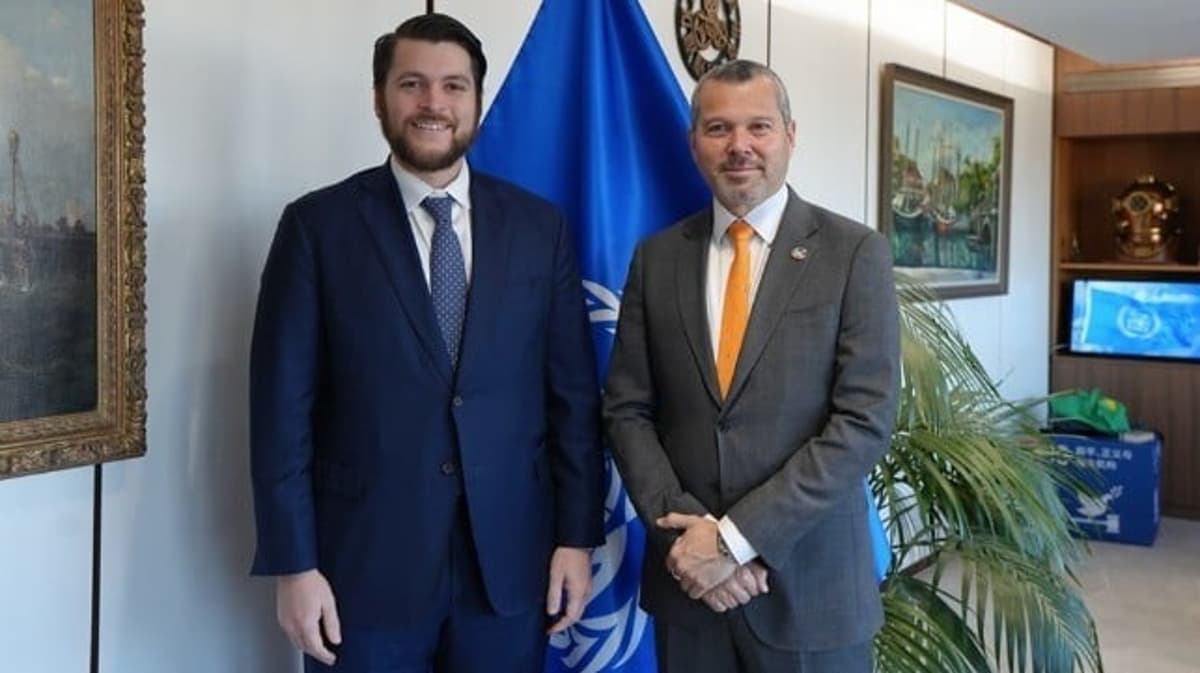
Liberia Tables a Pragmatic Net Zero Proposal for the IMO
Why It Matters
By swapping punitive measures for market‑based incentives, the proposal could unlock wider IMO agreement, accelerating decarbonisation across the global shipping fleet. The outcome will shape regulatory risk and investment decisions for shipowners and fuel suppliers alike.
Key Takeaways
- •Liberia, Argentina, Panama sponsor new IMO emissions proposal
- •Proposal drops punitive fund, adds incentives for low‑carbon fuels
- •Five‑year emission targets align with fuel availability and tech rollout
- •Gulf states back pragmatic approach, easing previous opposition
- •US stance remains critical, influencing consensus outcome
Pulse Analysis
The International Maritime Organization’s quest for a net‑zero pathway has been hampered by divergent national interests, most notably the United States’ rejection of last year’s framework. That proposal paired ambitious emission cuts with a compliance‑fine fund that many smaller shipowners deemed punitive. Without broad consensus, IMO measures lack the moral authority needed for effective implementation, leaving the industry in regulatory limbo. The upcoming 84th MEPC session therefore represents a pivotal moment for aligning environmental ambition with political feasibility.
Liberia’s revised draft pivots sharply toward incentive‑based mechanisms. By eliminating the controversial fund, the proposal encourages adoption of cleaner fuels, onboard carbon‑capture systems, and wind‑assisted propulsion through financial and operational incentives rather than fines. Emission targets are calibrated on five‑year intervals, reflecting realistic fuel availability and technology maturation timelines. This structure gives shipowners clearer planning horizons, reducing the financial uncertainty that has traditionally slowed fleet retrofits and new‑build decisions.
Geopolitics will heavily influence the proposal’s fate. While the United States, represented by Deputy Assistant Secretary Marco Sylvester, remains skeptical, Gulf states such as Saudi Arabia have thrown their weight behind the pragmatic approach, potentially tipping the balance toward consensus. The outcome will not only dictate the pace of maritime decarbonisation but also affect strategic chokepoints like the Strait of Hormuz, where shipping traffic and security concerns intersect. A broadly accepted IMO framework could standardise emissions standards, lower compliance costs, and spur investment in green maritime technologies, reshaping the industry’s carbon trajectory for the next decade.
Liberia Tables a Pragmatic Net Zero Proposal for the IMO
Comments
Want to join the conversation?
Loading comments...