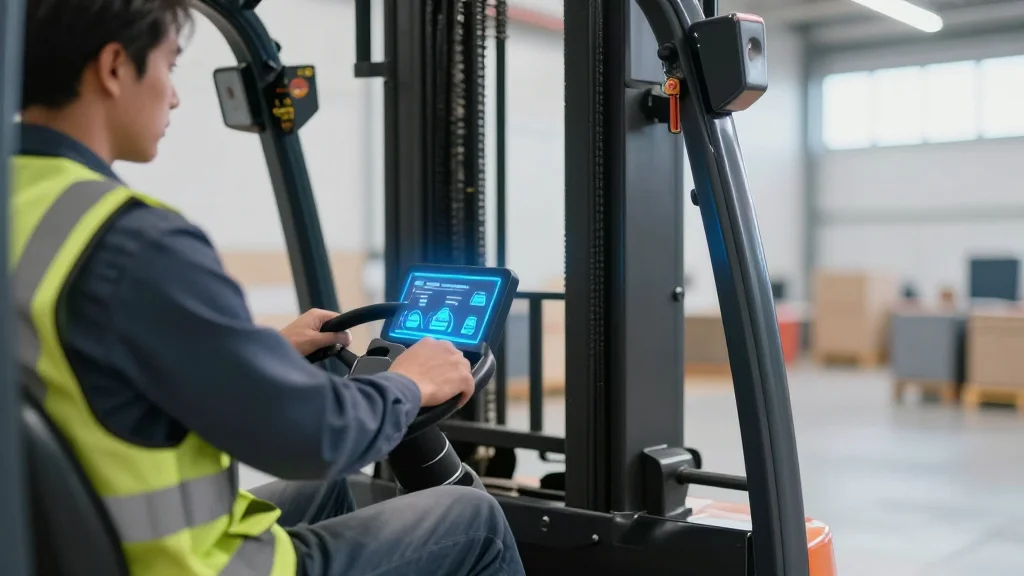
Lift Truck Tips: Good Ergonomics Attract and Retain Good Lift Truck Operators
Companies Mentioned
Why It Matters
Addressing ergonomic pain points directly tackles the industry‑wide labor shortage while lowering operational expenses, making lift‑truck fleets more sustainable and profitable.
Key Takeaways
- •BLS forecasts ~83,200 annual material‑handling operator openings through 2034.
- •Crown’s Dynamic Coaching and ProximityAssist reinforce safe behavior during onboarding.
- •Physical ergonomics target ankle sprains and lifting injuries on lift trucks.
- •Operator‑assist tech improves experience and can cut workforce costs up to 80%.
- •Ergonomic solutions lower total cost of ownership while boosting operator retention.
Pulse Analysis
The material‑handling sector is confronting a demographic crunch as seasoned forklift drivers retire or shift careers. Government data shows more than 80,000 vacancies each year, a figure that outpaces the pipeline of new talent. Companies that ignore the ergonomic realities of the job risk higher injury rates, absenteeism, and costly turnover. By investing in operator‑centric design—adjustable seats, side‑stance controls, and vibration‑dampening suspension—manufacturers can mitigate the physical toll that traditionally drives workers away.
Beyond hardware, digital coaching tools are reshaping how operators learn and maintain safe practices. Crown’s Dynamic Coaching delivers real‑time feedback through visual prompts, while ProximityAssist uses sensors to prevent collisions before they happen. Integrated platforms like InfoLink aggregate performance data, enabling managers to spot risky behaviors and intervene early. This blend of physical and technological ergonomics not only improves safety metrics but also accelerates training cycles, allowing fleets to staff openings faster and with higher competency.
From a financial perspective, ergonomic enhancements translate into measurable savings. Workforce‑related expenses can account for up to 80% of a forklift’s total cost of ownership, especially in high‑throughput environments. Reducing injuries and boosting operator satisfaction lowers overtime, workers’ compensation, and recruitment costs, directly compressing the TCO curve. As logistics firms prioritize efficiency and resilience, ergonomics is emerging as a competitive differentiator that attracts talent, protects the bottom line, and future‑proofs material‑handling operations.
Lift Truck Tips: Good ergonomics attract and retain good lift truck operators
Comments
Want to join the conversation?
Loading comments...