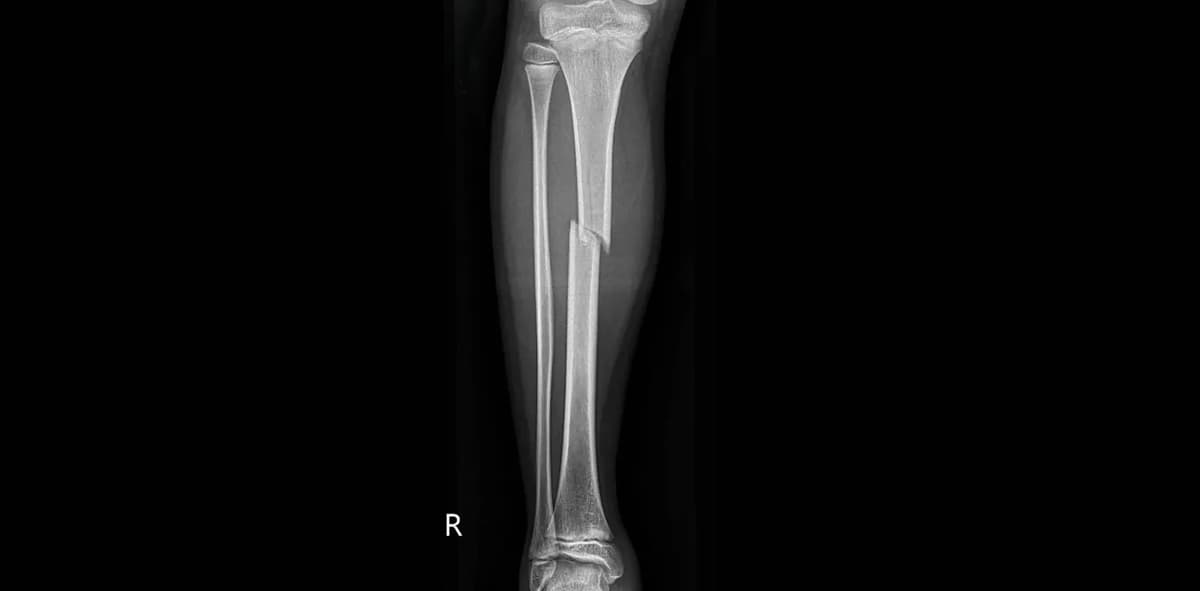
‘Lime Bike Leg’: What Doctors Are Seeing in Ebike Crashes
Companies Mentioned
Why It Matters
The pattern signals emerging safety challenges for rapidly expanding shared‑micromobility services, prompting cities and operators to reassess risk mitigation and rider‑education strategies.
Key Takeaways
- •E‑bike injuries now 20% of serious London cycling casualties.
- •Weight around 30 kg and rapid acceleration create crushing leg forces.
- •US data shows e‑bike injuries doubled between 2021 and 2022.
- •Severe cases tied to speed, inexperience, alcohol rather than bike type.
- •Prevention focuses on rider training, no‑phone policy, helmets, cautious riding.
Pulse Analysis
The rapid rollout of dock‑less e‑bike schemes has transformed urban mobility, offering a fast, low‑emission alternative to cars and public transit. Yet the same attributes that make e‑bikes attractive—higher mass and motor‑assisted acceleration—are generating a distinct injury profile. Hospitals in London, New York and Melbourne report complex tibial fractures, knee dislocations and extensive soft‑tissue damage that resemble motorcycle trauma. In London alone, shared e‑bike users now represent about one‑fifth of all serious cycling injuries, a stark rise from a decade ago, while U.S. data shows a 100% jump in e‑bike‑related emergency visits between 2021 and 2022.
Clinicians note that the physics of a 30‑kilogram e‑bike falling onto a rider’s leg creates crushing and twisting forces uncommon in traditional cycling. However, epidemiological analyses reveal that age, alcohol consumption and collisions with motor vehicles are stronger predictors of severe outcomes than the bike type itself. When these variables are controlled, e‑bike riders are not statistically more likely to require hospital admission than conventional cyclists. This nuance shifts the focus from blaming the technology to addressing rider behavior, road conditions, and crash circumstances.
For policymakers and operators, the emerging “Lime bike leg” trend underscores the need for proactive safety frameworks. Mandatory rider orientation, speed‑limiting firmware, and stricter enforcement of helmet use can mitigate the most preventable injuries. Cities might also consider dedicated e‑bike lanes with smoother surfaces and clearer signage to reduce loss‑of‑control incidents. As shared micromobility continues to scale, integrating data‑driven risk assessments into planning will be essential to balance the benefits of e‑bikes with public‑health responsibilities.
‘Lime bike leg’: what doctors are seeing in ebike crashes
Comments
Want to join the conversation?
Loading comments...