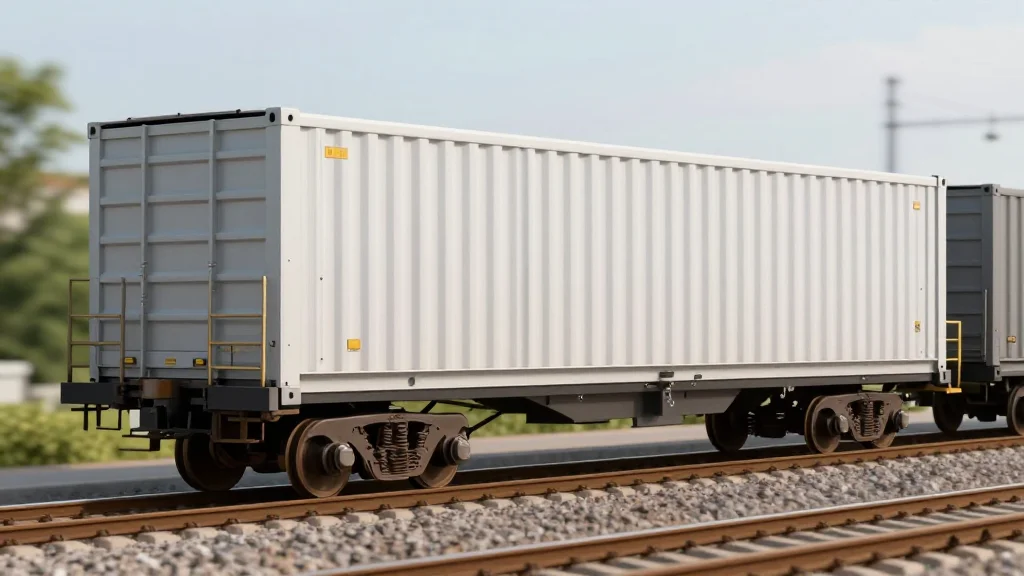
LTG Cargo Polska Introduces 72 New Pocket Wagons on Kaunas to Duisburg Line
Why It Matters
The fleet upgrade boosts operational efficiency and capacity on a strategic north‑south rail link, helping European logistics firms meet demand for faster, greener transport.
Key Takeaways
- •72 pocket wagons added to Kaunas‑Duisburg corridor
- •Wagons built by Kolowag, EU co‑financed under Recovery Plan
- •Designed for quick loading of standard semi‑trailers, no special securing
- •Service runs three times weekly, now includes Łódź hub
- •Boosts reliability and capacity for Central‑European freight
Pulse Analysis
The Kaunas‑to‑Duisburg rail corridor has become a cornerstone of Central‑European intermodal logistics since its launch in 2022. Connecting Lithuania’s Baltic port access with Germany’s Rhine‑Maas hub, the standard‑gauge line offers shippers a seamless alternative to road haulage, reducing transit times and emissions. The addition of a stop in Łódź last year expanded the network’s reach into Poland’s inland logistics heartland, allowing manufacturers to tap into a three‑times‑weekly service that links the Baltic Sea to the European hinterland. The route also supports EU climate targets by shifting freight to rail.
LTG Cargo Polska’s deployment of 72 new pocket wagons, built by Polish manufacturer Kolowag, marks a significant capacity boost for the corridor. The wagons are engineered for rapid loading of standard semi‑trailers, eliminating the need for specialized securing equipment and cutting dwell time at terminals. Funding from the European Union’s National Recovery and Resilience Plan underlines the project’s alignment with EU objectives to shift freight from road to rail. Operationally, the fleet enhances reliability, offering shippers a more predictable schedule on the Kaunas‑Duisburg route.
The expanded rolling stock positions LTG Cargo Polska to capture growing demand for carbon‑efficient freight across the EU’s north‑south axis. With capacity now able to accommodate higher trailer volumes, the line can attract larger carriers and reduce reliance on congested highways. Competitors may respond by upgrading their own fleets or seeking similar EU co‑financing, intensifying competition on price and service quality. In the longer term, the success of this investment could spur additional infrastructure upgrades, such as terminal automation, further cementing the Kaunas‑Duisburg corridor as a key pillar of European supply chains.
LTG Cargo Polska Introduces 72 New Pocket Wagons on Kaunas to Duisburg Line
Comments
Want to join the conversation?
Loading comments...