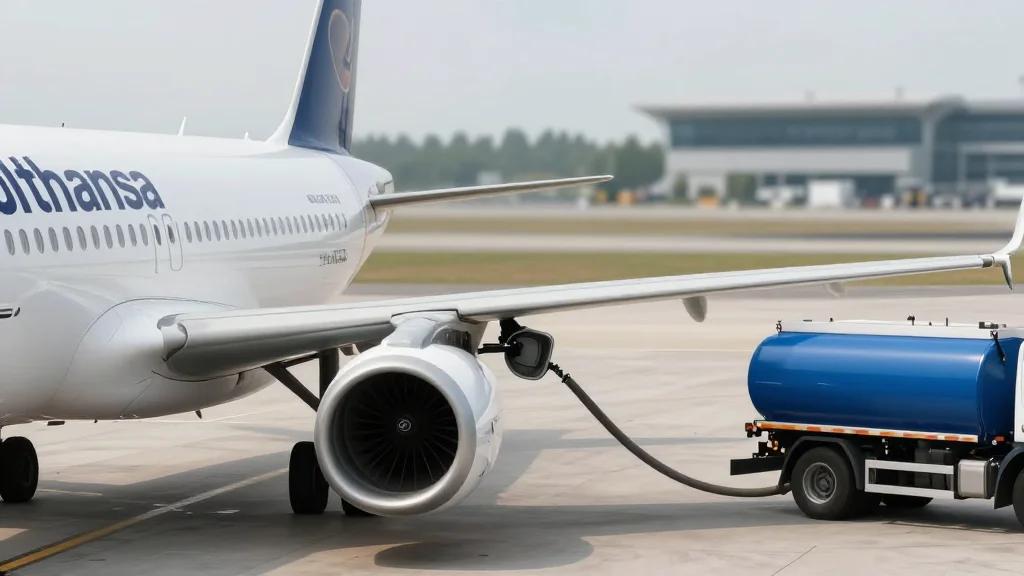
Lufthansa Axes 20,000 ‘Unprofitable’ Flights to Save Jet Fuel
Companies Mentioned
Why It Matters
The cuts directly address soaring fuel expenses, preserving profitability on unprofitable routes and setting a precedent for cost‑driven network rationalization across European carriers. The move also signals heightened pressure on the industry to adapt to volatile energy markets.
Key Takeaways
- •Lufthansa cancels 20,000 short‑haul flights, targeting 40,000‑ton fuel savings.
- •Jet fuel costs have doubled since the Iran conflict began.
- •CityLine’s 27‑aircraft fleet retired early amid soaring fuel prices.
- •Passengers on affected routes notified; schedule revisions due late April.
- •SAS cuts 1,000 flights; Air France‑KLM adds $108 surcharge.
Pulse Analysis
Lufthansa’s decision to drop 20,000 short‑haul flights marks one of the most aggressive schedule overhauls in European aviation this year. By targeting over 40,000 metric tons of jet fuel savings, the carrier hopes to offset a near‑doubling of fuel prices triggered by the Iran conflict. The early retirement of CityLine’s 27‑aircraft fleet underscores how airlines are trimming capacity to protect margins, especially on routes that have become financially untenable. Passengers on the affected routes have been notified, and a revised timetable is slated for release in late April, reflecting a broader shift toward leaner, more fuel‑efficient operations.
The move reverberates across the industry, with rivals like SAS already canceling about 1,000 flights and Air France‑KLM imposing a €100 (approximately $108) surcharge on long‑haul tickets. These actions illustrate a common strategic response: either reduce capacity to match demand or pass higher costs onto travelers. While such measures preserve short‑term cash flow, they also risk eroding customer loyalty and intensifying competition for the remaining profitable segments. Analysts note that airlines with diversified revenue streams and modern, fuel‑efficient fleets are better positioned to weather prolonged price spikes.
Regulators are also stepping in. The European Commission’s upcoming AccelerateEU plan aims to mitigate the energy crunch caused by Middle‑East tensions, potentially offering subsidies or incentives for greener fuels and more efficient aircraft. If successful, the initiative could ease the cost burden for carriers and accelerate the transition to lower‑emission operations. For Lufthansa, aligning its network optimization with forthcoming policy support may enhance resilience, allowing the airline to balance cost control with service continuity in a volatile market.
Lufthansa axes 20,000 ‘unprofitable’ flights to save jet fuel
Comments
Want to join the conversation?
Loading comments...