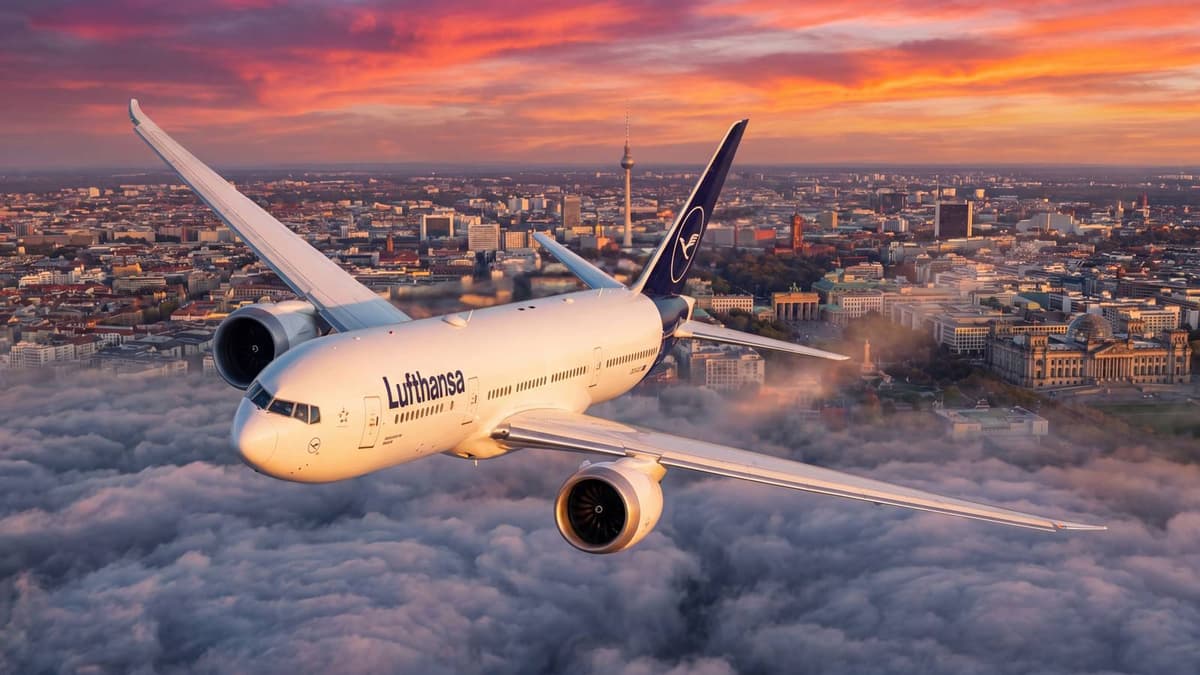
Lufthansa CEO Reveals 'Plan B' If Boeing 777X Is Delayed Again
Companies Mentioned
Why It Matters
Lufthansa’s reliance on the delayed 777X forces a rapid fleet reshuffle, impacting capacity planning and cost structures across Europe’s largest carrier. The outcome will signal how airlines adapt to supply‑chain setbacks while pursuing greener, more efficient operations.
Key Takeaways
- •Lufthansa expects 27 new long‑haul aircraft deliveries in 2026.
- •A340‑300s stay; up to four 747‑400s may be grounded in winter.
- •Boeing 777X slated for 2027 service, easing Lufthansa’s fleet plan.
- •Lufthansa’s “Plan B” hinges on 777X timing amid rising fuel costs.
- •Fleet shift underscores industry move toward efficiency and sustainability.
Pulse Analysis
The Boeing 777X has been a moving target since its original 2020 launch date, with successive setbacks eroding confidence among airlines that placed early orders. Lufthansa, as the German flag carrier and the type’s launch customer, has been forced to keep its long‑haul strategy fluid. In its first‑quarter earnings call, CEO Carsten Spohr outlined a “Plan B” that hinges on the aircraft finally entering service in 2027, a schedule Boeing only recently reaffirmed. This uncertainty compels the airline to hedge against capacity gaps while preserving its competitive edge on intercontinental routes.
Against this backdrop, Lufthansa announced a robust influx of 27 new long‑haul jets for 2026, effectively adding a fresh aircraft almost every week. The carrier will retain its aging Airbus A340‑300 fleet for another year, but it plans to temporarily retire two to four of its eight 747‑400s during the winter months, with a possible summer‑2027 return under review. These adjustments are part of a broader restructuring aimed at curbing exposure to soaring jet‑fuel prices and aligning with EU emissions targets. The shift underscores a decisive move toward more fuel‑efficient, twin‑engine platforms.
Industry observers see Lufthansa’s maneuvering as a bellwether for how legacy carriers will navigate the post‑pandemic recovery amid supply‑chain volatility. Boeing’s confirmation that the 777X will achieve certification in 2026 and enter service by 2027 eases some pressure, but the aircraft’s higher operating costs compared with newer twins may limit its appeal. Airlines are increasingly favoring narrow‑body, high‑efficiency models such as the 737 MAX 7 and 10, which Boeing also expects to certify this year. Lufthansa’s eventual adoption of the 777X will therefore hinge on a cost‑benefit analysis that balances capacity needs with sustainability goals.
Lufthansa CEO Reveals 'Plan B' If Boeing 777X Is Delayed Again
Comments
Want to join the conversation?
Loading comments...