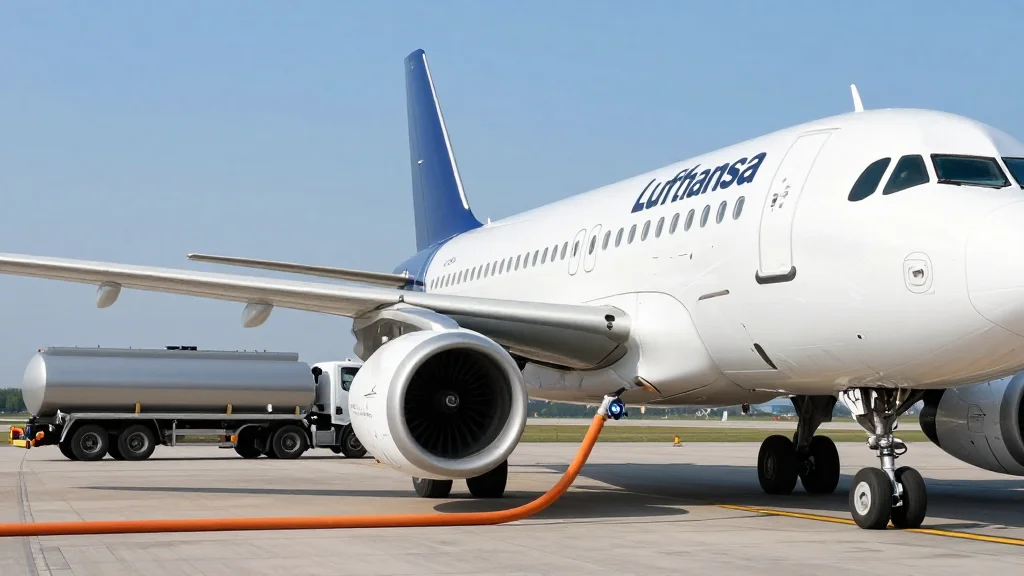
Lufthansa Cuts 20,000 Summer Flights as Fuel Prices Surge
Companies Mentioned
Why It Matters
The decision underscores how volatile energy costs can force major carriers to slash capacity, driving up ticket prices and squeezing profitability across Europe’s aviation market.
Key Takeaways
- •Lufthansa cuts 20,000 short‑haul summer flights
- •Jet fuel prices have doubled since the US‑Israel conflict
- •Cuts aim to save ~40,000 metric tons of fuel
- •Routes like Frankfurt‑Poland, Frankfurt‑Norway are affected
Pulse Analysis
The surge in jet‑fuel prices stems from disrupted supply chains in the Gulf, where roughly half of Europe’s aviation fuel passes through the Strait of Hormuz. Iran’s closure of the strait after recent attacks has choked off shipments from key refineries such as Kuwait’s Al‑Zour, which alone supplies about 10% of Europe’s jet‑fuel imports. Energy analysts warn that Europe could face a shortfall within weeks, prompting airlines to reassess cost structures and route profitability.
Lufthansa’s aggressive response—cancelling 20,000 short‑haul flights and retiring 27 aircraft—reflects a broader industry shift toward fuel‑efficiency and cost containment. By eliminating unprofitable segments and saving an estimated 40,000 metric tons of jet fuel, the carrier aims to protect its margins amid a market where ticket prices have already risen nearly 25%. The move follows similar actions by KLM‑France and Delta, which have either reduced capacity or passed higher fuel costs onto passengers. Lufthansa also accelerates the closure of its CityLine European network, signaling a strategic retreat from marginal routes.
For travelers and investors, the immediate impact will be higher fares and reduced schedule flexibility, especially on intra‑European corridors. The longer‑term outlook suggests airlines may continue to prune low‑yield routes, invest in more fuel‑efficient aircraft, and explore hedging strategies to mitigate future energy shocks. As geopolitical tensions persist, the aviation sector’s resilience will depend on balancing operational agility with sustainable cost management, making fuel price volatility a critical risk factor for the industry’s profitability.
Lufthansa cuts 20,000 summer flights as fuel prices surge
Comments
Want to join the conversation?
Loading comments...