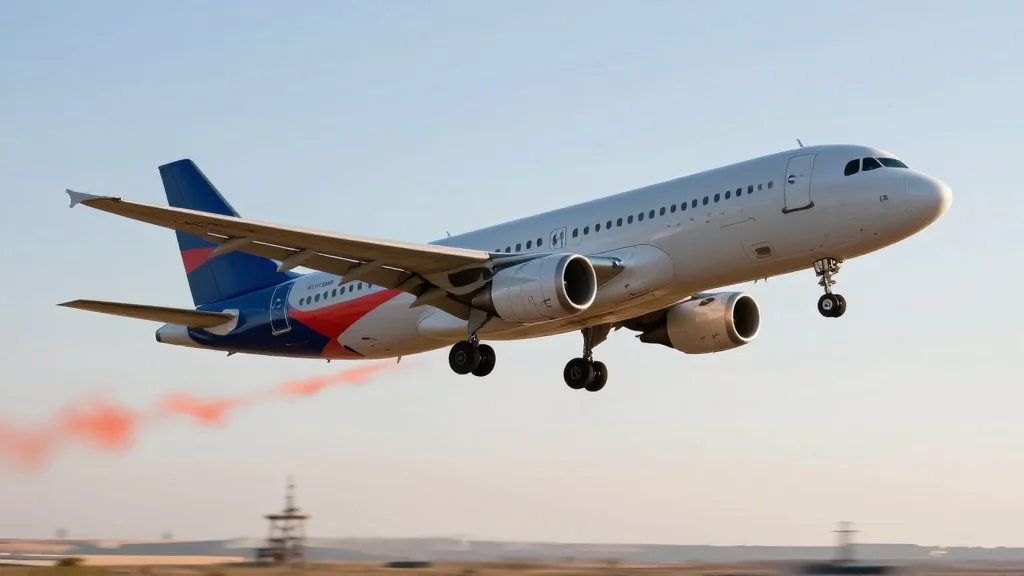
Lufthansa Is Losing Less Money than Expected but Faces a $2 Billion Fuel Hit
Companies Mentioned
Why It Matters
The results show Lufthansa can absorb a massive fuel shock, preserving profitability and shareholder confidence, while highlighting the broader vulnerability of European airlines to Middle‑East fuel supply disruptions.
Key Takeaways
- •Adjusted operating loss narrowed to €612 million ($667 M) in Q1
- •Revenue hit record €8.7 billion ($9.5 B), up 8%
- •Fuel costs add €1.7 billion ($1.85 B) to 2026 expenses
- •Lufthansa cut 20,000 short‑haul flights to save fuel
- •Cargo profit rose to €83 million ($90 M), supporting earnings
Pulse Analysis
Lufthansa’s first‑quarter report underscores a rare upside in an otherwise turbulent aviation market. The German carrier narrowed its adjusted operating loss to €612 million ($667 M), beating consensus forecasts, while revenue surged to a record €8.7 billion ($9.5 B). The improvement reflects strong demand, especially as travelers reroute away from conflict‑affected Middle‑Eastern hubs, and a resilient cargo business that posted €83 million ($90 M) in operating profit. These figures provide a cushion against the looming €1.7 billion ($1.85 B) fuel surcharge that threatens to erode earnings across the industry.
The spike in jet‑fuel prices stems from the Middle East conflict and the closure of the Strait of Hormuz, which has tightened kerosene supplies. Lufthansa responded by locking in prices for 80% of its annual fuel requirement, a rare level of hedging that mitigates exposure but still leaves a sizable cost gap. The airline also removed 20,000 short‑haul flights, pursued higher fares, and is exploring network optimisation to preserve margins. This proactive stance mirrors actions by peers such as Delta and United, which have introduced higher baggage fees and fuel surcharges to offset similar pressures.
Despite the fuel headwind, Lufthansa’s stock jumped 6% after the release, signaling investor confidence in the carrier’s ability to navigate the crisis. Cargo growth and steady performance from Lufthansa Technik provide additional buffers, while the company’s contingency plans—including potential intermediate refuelling stops—show readiness for further supply shocks. The outlook hinges on continued demand in the second half of the year and the resolution of labor disputes, but the current strategy positions Lufthansa to meet its full‑year profit target even under elevated fuel costs.
Lufthansa is losing less money than expected but faces a $2 billion fuel hit
Comments
Want to join the conversation?
Loading comments...