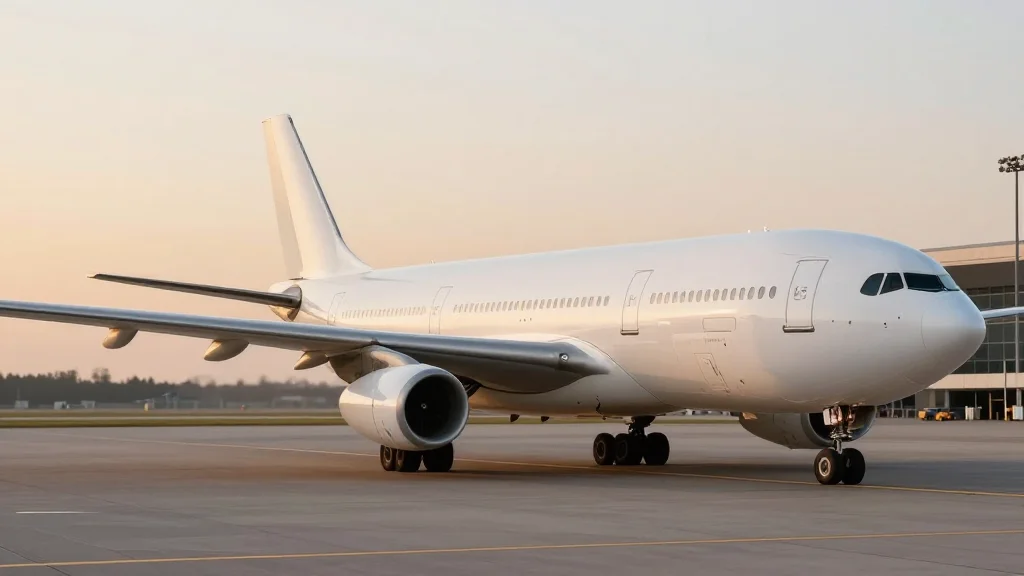
Lufthansa Slashes A340 And 747 Fleet, Outsources Flying As Labor Fight Intensifies
Companies Mentioned
Why It Matters
By moving high‑cost aircraft and labor to subsidiaries, Lufthansa seeks to protect margins as fuel prices and union disputes threaten profitability, a pattern other legacy carriers may soon emulate.
Key Takeaways
- •A340‑600 retirement slated for October 2026 cuts fuel‑intensive fleet
- •Two 747‑400s will be grounded now, retired fully by 2027
- •Nine A350‑900s transferred to Discover to use lower‑cost crews
- •CityLine CRJ‑900s to be phased out amid rising kerosene prices
- •Labor dispute drives shift of long‑haul flying to subsidiaries
Pulse Analysis
Lufthansa’s latest fleet overhaul reflects a dual pressure cooker of record‑high kerosene prices and a protracted labor standoff. Retiring the A340‑600, a notoriously thirsty four‑engine jet, and winding down the 747‑400 fleet trims fuel burn and maintenance overhead. Simultaneously, shifting nine A350‑900s to Discover Airlines lets the group employ crews under more flexible, lower‑cost contracts, sidestepping the mainline pilot agreements that have been at the heart of recent strikes.
The decision to accelerate CityLine’s shutdown underscores how German labor law limits outright layoffs, prompting Lufthansa to use subsidiary restructuring as a cost‑reduction lever. By moving regional CRJ‑900 operations into a separate legal entity, the carrier can re‑assign staff, renegotiate terms, or exit unprofitable routes without triggering the stringent protections that apply to its core workforce. This approach mirrors a broader industry trend where legacy airlines create or expand low‑cost arms to preserve capacity while shielding the parent from legacy wage scales.
For investors and industry watchers, Lufthansa’s maneuvers signal a strategic pivot: protecting cash flow through asset rationalization and labor arbitrage rather than relying solely on revenue growth. If the labor dispute eases, the airline could stabilize its network with a leaner, more fuel‑efficient fleet. Conversely, prolonged unrest may force further outsourcing or even deeper divestments, reshaping the competitive dynamics of European long‑haul travel. The outcome will likely influence how other flag carriers balance legacy labor contracts against the imperative to stay financially viable in a volatile cost environment.
Lufthansa Slashes A340 And 747 Fleet, Outsources Flying As Labor Fight Intensifies
Comments
Want to join the conversation?
Loading comments...