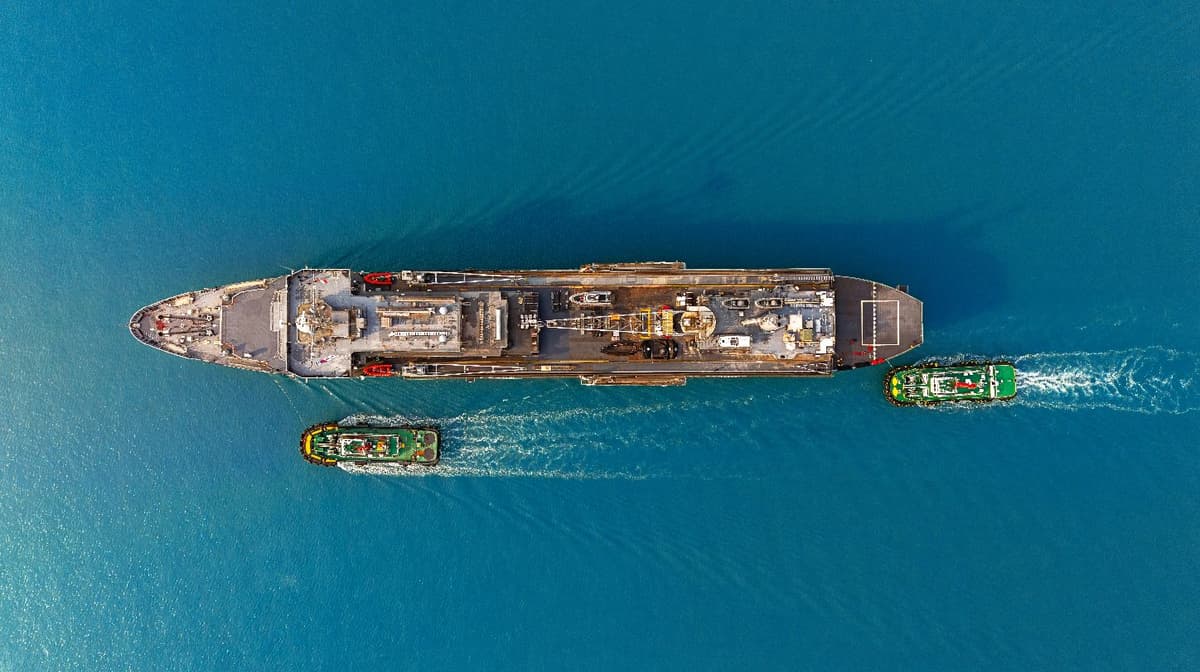
MADRAD SMR Initiative Seeks to Transform Commercial Shipping
Why It Matters
SMRs could dramatically lower operating expenses and emissions for U.S. vessels, strengthening maritime competitiveness and energy independence. The initiative also creates a pipeline for advanced manufacturing jobs in American shipyards.
Key Takeaways
- •MARAD launches SMR program for commercial shipping
- •Partners include Coast Guard, NRC, and DOE
- •Goal: cut fuel costs and extend vessel range
- •Emphasis on U.S. shipyard workforce and supply chain
- •Focus on regulatory, liability, and insurance frameworks
Pulse Analysis
Small modular reactors have emerged as a promising bridge between nuclear technology and the urgent need to decarbonize maritime transport. Unlike traditional large reactors, SMRs are compact, factory‑built units that can be integrated into existing ship designs, offering high‑density power without the extensive infrastructure of conventional plants. For the shipping sector, which accounts for roughly 3 percent of global CO₂ emissions, the ability to replace bunker fuel with clean, reliable nuclear energy could reshape route economics and enable faster, longer voyages without refueling stops.
MARAD’s initiative leverages a multi‑agency approach, aligning the Maritime Administration with the Coast Guard’s safety oversight, the Nuclear Regulatory Commission’s licensing expertise, and the Department of Energy’s research capabilities. By defining clear criteria—such as high‑power output, modularity, and streamlined deployment—the program seeks to reduce systemic uncertainty that has stalled private investment in maritime nuclear projects. The inclusion of liability, insurance, and inspection frameworks aims to smooth port access and address the legal complexities that have historically hindered nuclear adoption on commercial vessels.
If successful, the SMR effort could revitalize U.S. shipbuilding by creating a domestic supply chain for advanced reactors, generating skilled jobs, and establishing new credentialing standards. It also positions the United States to lead a global shift toward low‑carbon shipping, offering a competitive edge over rivals still reliant on fossil fuels. Investors and operators will watch closely as regulatory pathways solidify, because the scale‑up of SMRs promises not only environmental benefits but also significant cost savings and strategic energy independence for the maritime industry.
MADRAD SMR initiative seeks to transform commercial shipping
Comments
Want to join the conversation?
Loading comments...