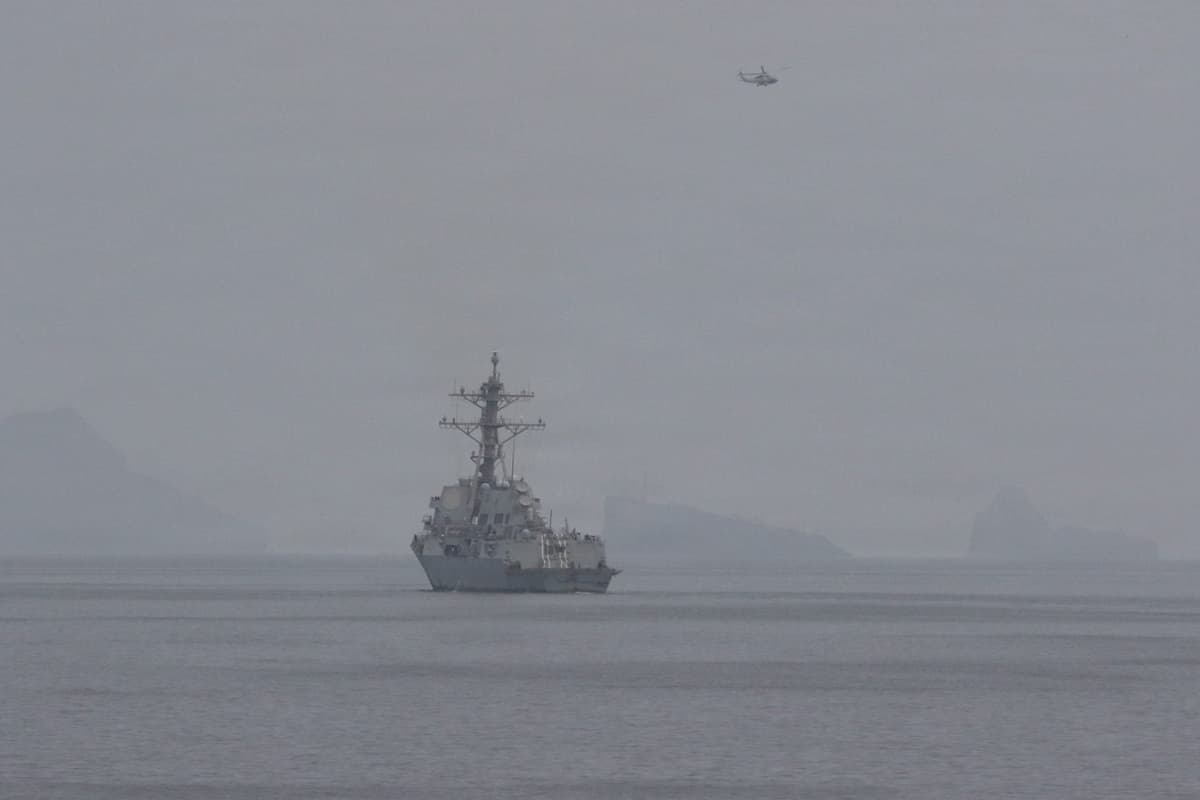
Maersk Ship Exits Hormuz Under U.S. Protection
Why It Matters
The successful escort demonstrates that U.S. military coordination can reopen critical chokepoints, but lingering threats mean the broader shipping market still faces heightened risk and uncertainty.
Key Takeaways
- •Alliance Fairfax exited Hormuz under U.S. military escort, no incidents
- •Transit marks first successful U.S.-flagged commercial ship movement since February
- •Project Freedom aims to free stranded vessels but lacks broader industry guidance
- •Ongoing threats, highlighted by HMM Namu fire, keep wider traffic risky
Pulse Analysis
The Strait of Hormuz, a narrow waterway that carries roughly 20% of global oil shipments, has been effectively shut down since late February when missile, drone and mine threats surged amid U.S.-Iran tensions. Shipping lines rerouted cargo around Africa, inflating freight rates and extending transit times, while governments scrambled to protect commercial vessels. Project Freedom, announced by President Trump, was framed as a humanitarian effort to free neutral ships trapped in the Gulf, but its operational details have remained opaque, leaving the industry uncertain about the long‑term viability of a safe passage.
Maersk’s Alliance Fairfax, a U.S.-flagged roll‑on/roll‑off ship operated by its Farrell Lines subsidiary, became the most concrete proof that the U.S. can provide a security umbrella for commercial traffic. The vessel, part of the Maritime Security Program and Tanker Security Program, was escorted by U.S. naval assets and completed the transit without incident, allowing the crew to return safely and the ship to resume normal service. This move signals a willingness by the U.S. to leverage its military capabilities to protect merchant shipping, a strategy that could encourage other flagged vessels to seek similar escorts, albeit under strict coordination.
Despite this milestone, the broader risk environment remains volatile. The recent explosion and fire aboard the Panama‑flagged HMM Namu, still under investigation, underscores that threats persist even with U.S. protection. Industry bodies such as BIMCO caution shipowners to continue rigorous risk assessments and to await clearer guidance on how Project Freedom will scale beyond isolated escorts. Until Iran’s stance shifts or a diplomatic framework emerges, the Strait’s traffic is likely to stay limited, keeping freight costs elevated and supply chains on edge.
Maersk Ship Exits Hormuz Under U.S. Protection
Comments
Want to join the conversation?
Loading comments...