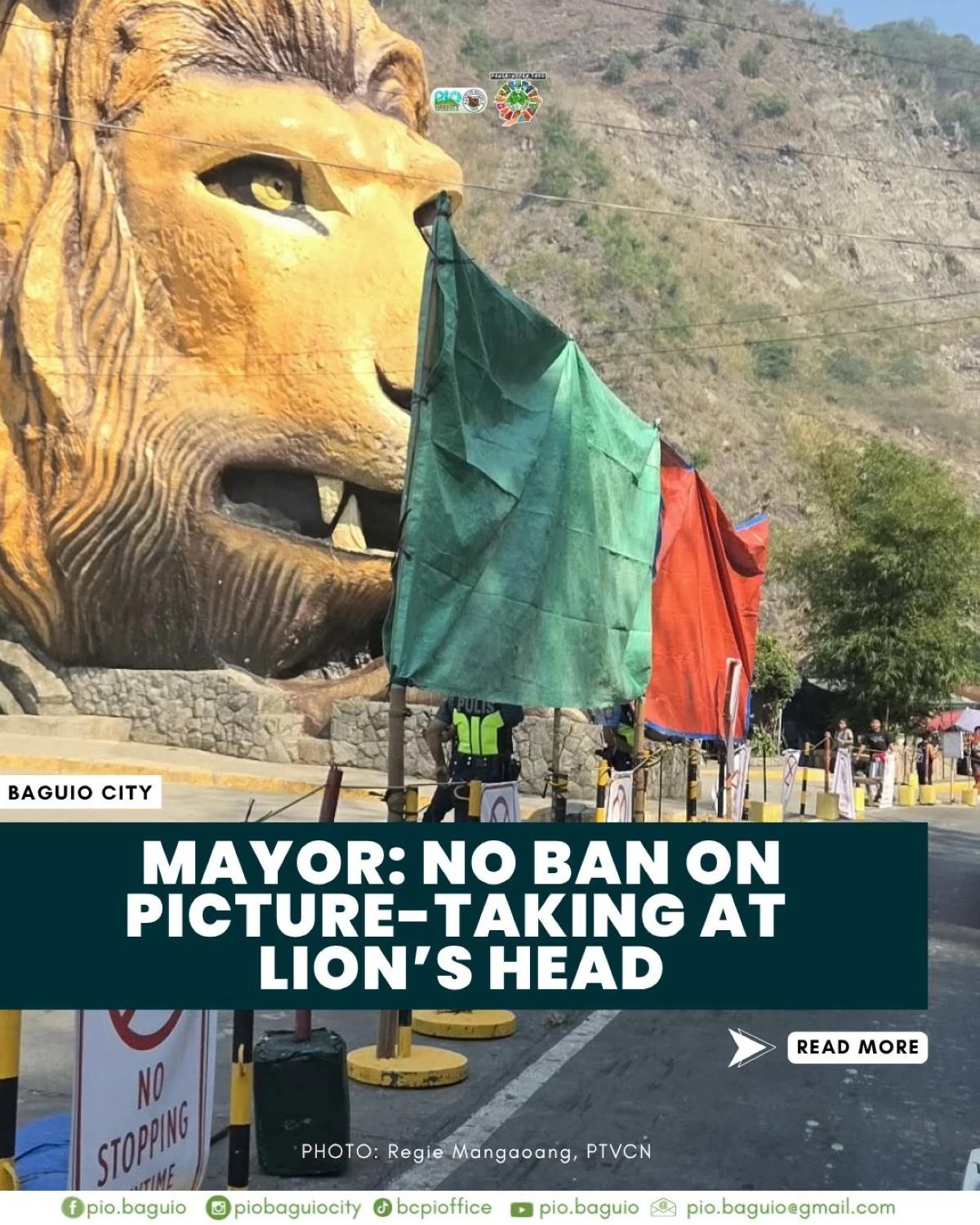
Magalong: No Ban vs Picture-Taking at Lion’s Head
Why It Matters
Enforcing disciplined stopping points protects traffic efficiency on a key tourist corridor, safeguarding both commuter safety and the visitor experience. The move demonstrates how local authorities can operationalize national traffic directives to support tourism infrastructure.
Key Takeaways
- •Stopping vehicles blocks traffic on Kennon Road.
- •Designated parking area enables safe photo opportunities.
- •Mayor emphasizes discipline to protect tourist flow.
- •Zero‑obstruction policy aligns with national traffic directives.
- •Social‑media backlash prompted removal of restrictive signage.
Pulse Analysis
Lion’s Head, the limestone monument perched on Kennon Road, has long been a magnet for tourists traveling to the Philippines’ Summer Capital, Baguio. The site’s popularity, however, collides with the narrow, winding nature of Kennon Road, where stopped vehicles can quickly create bottlenecks. Traffic engineers note that even brief halts for selfies can ripple into minutes of delay, especially during peak holiday periods. By directing visitors to a nearby parking lot, the city aims to preserve both the scenic experience and the road’s capacity, a balance that many emerging tourist hubs struggle to achieve.
Mayor Benjamin Magalong’s clarification follows Interior Secretary Jonvic Remulla’s March 31 zero‑obstruction directive, which mandates strict enforcement on major arteries nationwide. Police presence along Kennon Road now includes traffic guides who steer motorists away from the monument’s immediate curb, reducing illegal stopping. This proactive stance not only curtails congestion but also mitigates safety risks associated with sudden vehicle stoppages on a steep gradient. The policy illustrates how local authorities can translate national traffic reforms into concrete, on‑the‑ground actions that protect both commuters and the tourism economy.
The episode underscores a broader lesson for destinations where iconic landmarks sit alongside limited infrastructure. Clear signage, designated viewing zones, and real‑time communication—often amplified through social media—help manage visitor expectations while preserving road safety. Other Philippine attractions, such as the Chocolate Hills and the Banaue Rice Terraces, face similar pressures and could adopt comparable parking‑first strategies. Ultimately, aligning tourist convenience with traffic efficiency safeguards revenue streams and reinforces a city’s reputation as a well‑managed travel hub.
Magalong: No ban vs picture-taking at Lion’s Head
Comments
Want to join the conversation?
Loading comments...