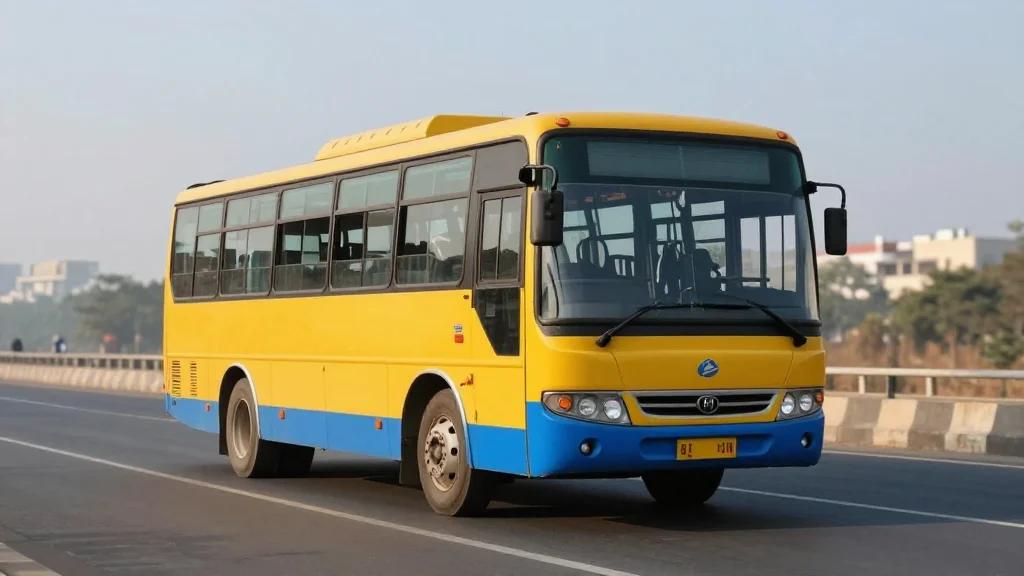
Maharashtra Road Transport Corp’s Daily Loss Stood at ₹1.6 Crore in 2025-26
Why It Matters
The sustained deficits threaten MSRTC’s ability to provide affordable public transport and could force fare hikes or service cuts, impacting millions of commuters across Maharashtra.
Key Takeaways
- •MSRTC lost ₹1.6 crore ($193k) daily in FY 2025‑26
- •Total loss reached ₹591 crore ($71 million) for the year
- •23 of 31 divisions posted losses, only eight remained profitable
- •Minister Sarnaik plans reforms focusing on discipline, resource use, accountability
- •Inquiry ordered for loss‑making divisions and appointment of efficient officers
Pulse Analysis
Maharashtra’s public‑transport backbone, the MSRTC, is grappling with a fiscal gap that mirrors a broader strain on Indian state‑run mobility services. While the corporation moves over 1 billion passengers annually, its FY 2025‑26 deficit of ₹591 crore ($71 million) underscores the difficulty of balancing affordable fares with rising operational costs. Compared with transport utilities in Delhi and Tamil Nadu, which have managed modest surpluses through aggressive digitisation and fleet upgrades, MSRTC’s financial health lags, raising concerns about service continuity for the state’s 120 million residents.
Several factors converge to drive the losses. Fuel price volatility, an aging bus fleet, and under‑utilised routes inflate per‑kilometre costs, while fare structures remain politically constrained, limiting revenue growth. Labor expenses, tied to legacy staffing norms, further erode margins, and competition from private operators siphons high‑margin corridors. Moreover, limited adoption of smart ticketing and real‑time scheduling hampers demand‑responsive services, reducing load factors on routes that already operate at a loss.
The minister’s reform agenda seeks to reverse the trend through a mix of administrative tightening and strategic partnerships. Introducing performance‑based incentives for division heads, conducting forensic audits of loss‑making units, and fast‑tracking public‑private partnership (PPP) models for bus procurement and maintenance are on the table. Fare rationalisation, coupled with targeted subsidies for low‑income commuters, could improve revenue without alienating riders. If executed, these measures promise to restore fiscal discipline, enhance asset utilisation, and safeguard the MSRTC’s role as a critical mobility provider in India’s second‑largest economy.
Maharashtra road transport corp’s daily loss stood at ₹1.6 crore in 2025-26
Comments
Want to join the conversation?
Loading comments...