Maintenance Survey Highlights Pressures Across General Aviation
Why It Matters
The twin pressures of cost inflation and a dwindling mechanic pipeline threaten service quality and profitability in a market where older aircraft are flying more, potentially impacting safety and operator margins.
Key Takeaways
- •65% cite rising costs and supply‑chain pressures
- •Nearly 50% report staffing and training shortages
- •72% indicate maintenance process inefficiencies
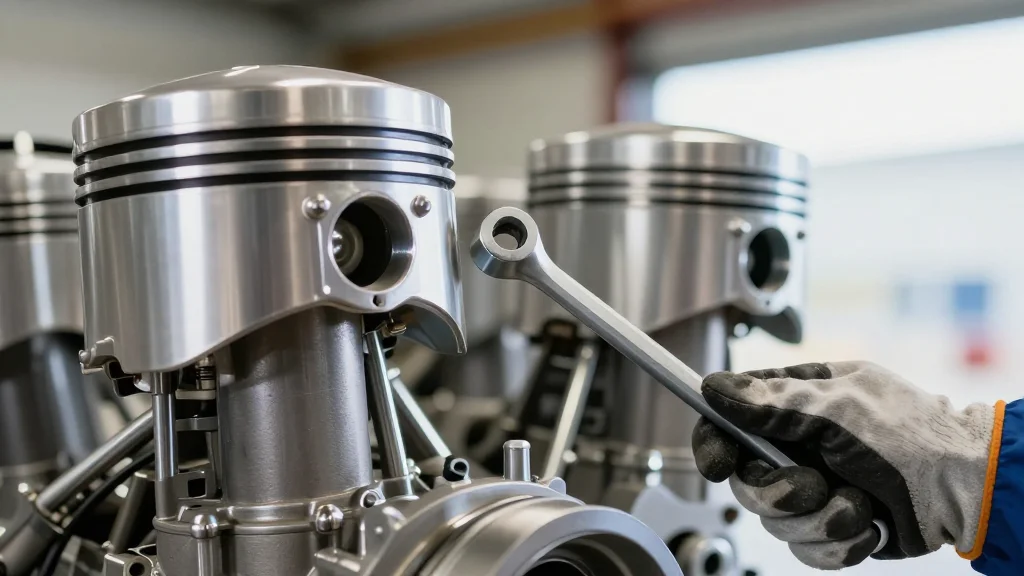
- •Piston engine prices up 80% since 2017
- •Mechanic certifications ~9,000 annually, below 1990s levels
Pulse Analysis
The TBX survey paints a stark picture of financial stress in general aviation maintenance. Operators are grappling with component price spikes—piston engines have risen from roughly $25,000 in 2017 to $45,000 now—and extended lead times that erode margins. Coupled with supply‑chain bottlenecks, these cost pressures force shops to re‑evaluate pricing strategies and inventory management, often passing expenses to aircraft owners who are already feeling budget constraints.
Workforce shortages compound the fiscal challenges. The survey shows almost half of respondents struggle to recruit or train qualified mechanics, and certification rates have slipped dramatically since the mid‑2010s. With the average GA aircraft now 42 years old—and single‑engine pistons averaging 52 years—maintenance demand is intensifying even as the pool of skilled technicians contracts. This talent gap risks longer turnaround times, reduced compliance, and heightened safety oversight, especially as older airframes require more frequent inspections and part replacements.
Despite a 4% fleet contraction, flight activity is rising, and fatal accidents hit a historic low in 2025. The paradox of an older, smaller fleet flying more underscores the critical role of effective maintenance in sustaining safety gains. Industry stakeholders must invest in training pipelines, adopt predictive maintenance technologies, and negotiate better supply‑chain terms to offset cost inflation. Failure to address these intertwined issues could erode the profitability of maintenance providers and, ultimately, the safety record that the sector has worked hard to achieve.
Maintenance Survey Highlights Pressures Across General Aviation
Comments
Want to join the conversation?
Loading comments...