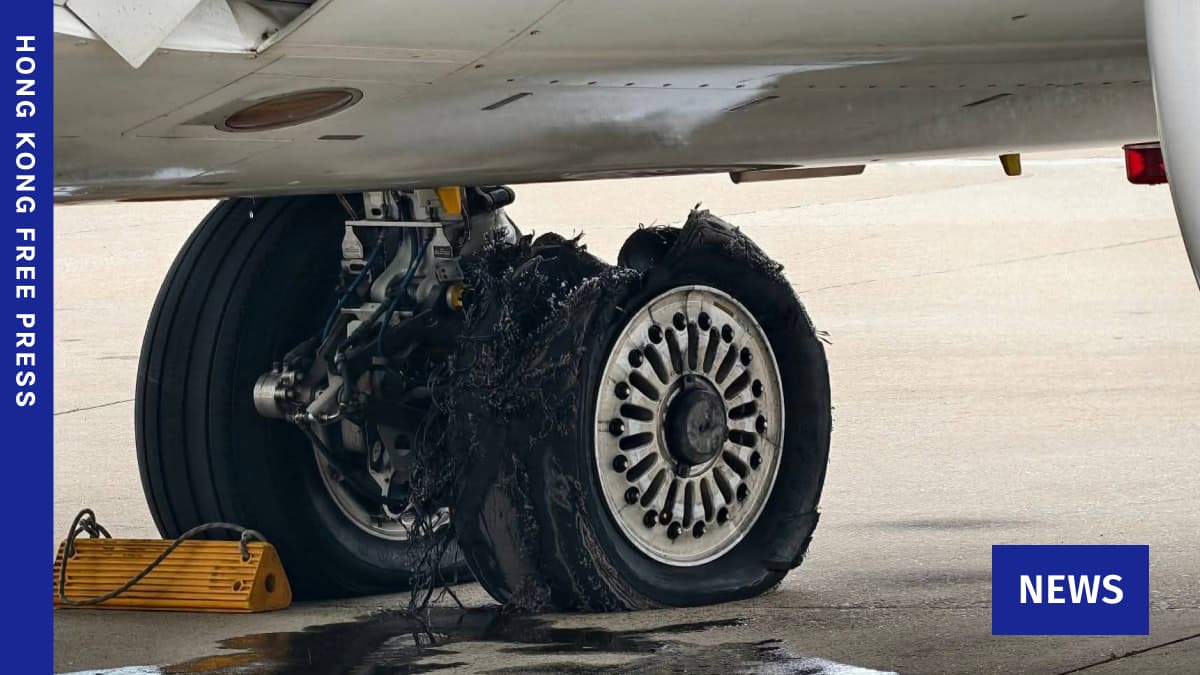
Malaysia Airlines Flight Bursts Tyre at Hong Kong Airport; No Injuries Reported
Why It Matters
The incident underscores the critical role of aircraft tyre integrity in flight safety and can affect airline reputation and operational reliability, prompting heightened scrutiny of maintenance practices across the region.
Key Takeaways
- •Tyre burst forced MH79 to abort take‑off at Hong Kong
- •All passengers and crew remained unharmed, no injuries reported
- •South Runway closed for inspection, reopened within an hour
- •Malaysia Airlines rebooked affected travelers on alternate flights
- •Incident highlights importance of tyre maintenance for wide‑body jets
Pulse Analysis
The sudden tyre failure on Malaysia Airlines’ MH79 highlighted how quickly a routine departure can turn into an emergency. At roughly 9:18 a.m., the aircraft’s left main tyre ruptured during the deceleration roll, causing the plane to drift off the South Runway onto a taxiway. Airport authorities swiftly deployed a tow truck, evacuated passengers, and inspected the runway. Although the runway closure disrupted a handful of scheduled departures, the Centre Runway absorbed the traffic, allowing most flights to proceed with minimal delay. This rapid response reflects Hong Kong International Airport’s robust emergency protocols, which prioritize passenger safety and maintain operational continuity.
Tyre integrity is a cornerstone of aviation safety, especially for wide‑body aircraft that operate at high speeds and carry substantial loads. Industry regulators mandate rigorous inspection cycles, pressure testing, and replacement schedules to mitigate the risk of burst tyres. Recent advances, such as predictive maintenance using sensor data, aim to detect wear patterns before failure occurs. The MH79 event serves as a reminder that even well‑maintained fleets can encounter unexpected component failures, prompting airlines worldwide to reassess maintenance logs, supplier quality controls, and crew training on tyre‑related emergencies.
For Malaysia Airlines, the incident poses a reputational challenge. While the airline’s swift communication and rebooking efforts help preserve customer trust, repeated technical glitches could erode confidence among business travelers who prioritize reliability. The carrier is likely to conduct a thorough root‑cause analysis, potentially collaborating with tyre manufacturers and aviation safety agencies to prevent recurrence. In a competitive Asian market, demonstrating proactive safety enhancements can differentiate airlines and reassure regulators, investors, and passengers alike.
Malaysia Airlines flight bursts tyre at Hong Kong airport; no injuries reported
Comments
Want to join the conversation?
Loading comments...