Malaysian Bust Spotlights Shadow Fleet Oil Trade in Southeast Asia
Companies Mentioned
Why It Matters
These illicit transfers undermine international sanctions, fund sanctioned regimes, and threaten maritime safety in one of the world’s busiest shipping corridors.
Key Takeaways
- •Illegal ship‑to‑ship diesel transfer intercepted off Penang, 700,000 L seized.
- •Shadow fleet moves sanctioned Russian and Iranian oil through Malaysia’s waters.
- •AIS spoofing used monthly, over 50 instances recorded near Malaysia.
- •Aging, uninsured tankers raise collision and environmental risks in Strait.
- •Enforcement hampered by vast jurisdiction, but Malaysia pledges tighter controls.
Pulse Analysis
The convergence of geopolitical tension and tight sanctions has pushed a covert network of oil traders into the congested waters of Southeast Asia. Vessels flagged to Russia, Iran, and a mix of regional owners routinely rendezvous off Malaysia’s eastern outer port limit, exploiting the narrow Strait of Malacca to reach Chinese refineries. Because the cargo often originates from sanctioned sources, the trade operates under the radar, relying on ship‑to‑ship transfers that evade customs and financial monitoring. Analysts estimate the shadow fleet moves tens of billions of dollars of fuel each year, making it a critical, albeit hidden, component of global energy logistics.
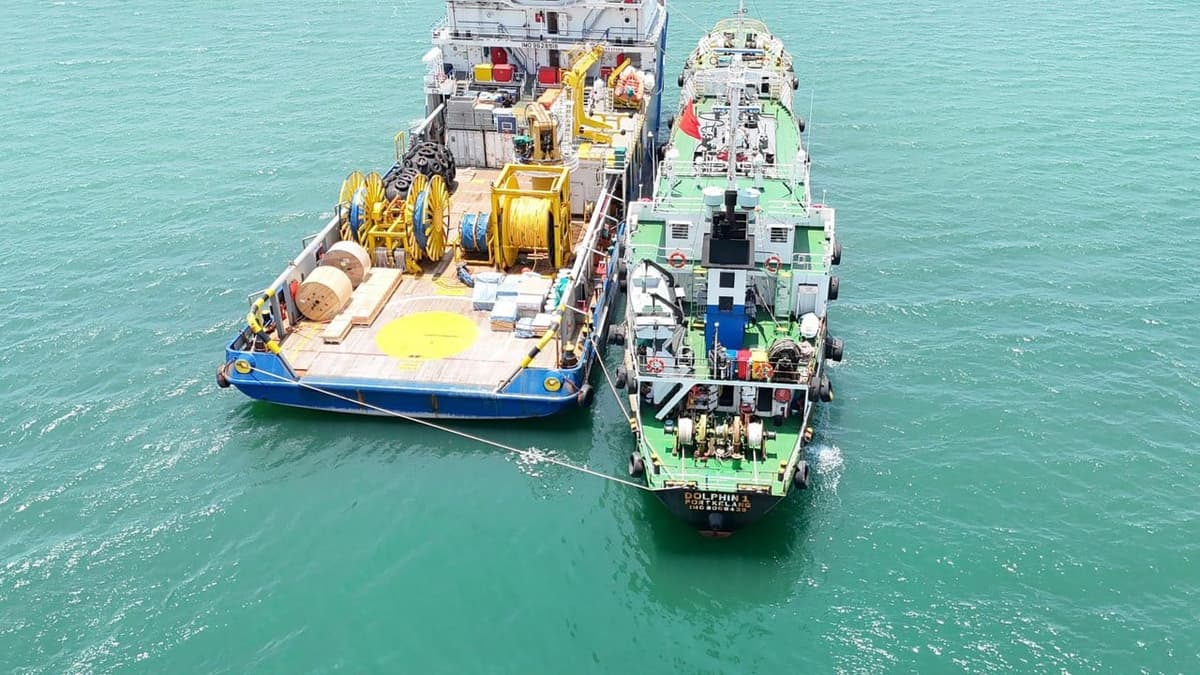
The latest interdiction off Bagan Ajam illustrates how the network functions on the ground. Malaysian enforcement agents observed two tankers side‑by‑side, exchanging roughly 700,000 litres of diesel worth US$1.16 million, and detained 22 crew members from a dozen nationalities. Investigators also flagged the use of AIS spoofing—a tactic that disables or falsifies vessel tracking signals—to obscure the vessels’ routes. The ships involved are often decades‑old, lacking insurance and modern safety equipment, which amplifies the risk of spills or collisions in one of the world’s most trafficked sea lanes.
While Malaysia has announced plans to tighten oversight and crack down on unauthorized transfers, practical challenges remain. The sheer scale of the maritime domain, coupled with contested jurisdiction and the profitability of evading sanctions, limits the reach of any single enforcement agency. For oil markets, the persistence of the shadow fleet can dampen the effectiveness of Western sanctions, sustaining demand for Russian and Iranian crude and keeping price volatility alive. Stakeholders—from insurers to downstream refiners—must therefore monitor the evolving risk profile and consider tighter compliance frameworks to mitigate exposure.
Malaysian bust spotlights shadow fleet oil trade in Southeast Asia
Comments
Want to join the conversation?
Loading comments...